
Healthcare in Québec: Hell to Get In, Heaven Once You’re In — RAMQ, Costs & Wait Times
Last updated: November 7, 2026
People often say health care in Canada is “completely free.” That’s only half true. Quebec’s public health insurance plan, RAMQ, is a system where getting emergency or serious care can be hell, but once you’re in, it’s heaven. From the moment you get through the hospital door, there is no bill for doctor visits, surgery, or hospital stays — but the path to that door — getting a family doctor, spending hours in the ER, waiting to see a specialist — is long and narrow. Prescription drugs, dental care, and ambulances aren’t free either, and people who have just moved here face up to three months with no coverage at all after arrival. This post walks through how Quebec’s RAMQ works, what the waits actually look like in official numbers, and how it differs from South Korea’s health insurance system.
🌿 The Short Version
- Once your RAMQ card is active, there is no out-of-pocket charge at the point of care for doctor visits, surgery, or hospital stays. Emergency surgery is no exception.
- In exchange, more than 650,000 people are waiting to be matched with a family doctor, and the average ER stay in winter runs around 18 hours.
- If you move to Quebec from outside Canada, there is a waiting period of up to three months before coverage begins. Care received during that period is, in principle, not reimbursed.
- Prescription drugs, dental care, and ambulances fall outside the “free” part of public coverage. Quebec is the only province where drug insurance is mandatory, and it’s paid for separately.
- South Korea covers 64.9% of costs, so patients still pay a share even after getting in the door — but it has safety valves like the out-of-pocket maximum and special cost-sharing reductions, and it is fast.
🏥 How RAMQ Works — There Is No Single National Plan
RAMQ (Régie de l’assurance maladie du Québec) is the agency that runs Quebec’s public health insurance plan. Residents receive a RAMQ health insurance card and pay nothing at the point of care for medically necessary doctor and hospital services. The first thing to understand is that Canada does not have a single national public health insurance plan. The federal government sets principles — universality, comprehensiveness, and so on — through the Canada Health Act and helps fund the system, but each province runs its own plan. Quebec’s rules cannot be generalized to Ontario or British Columbia.
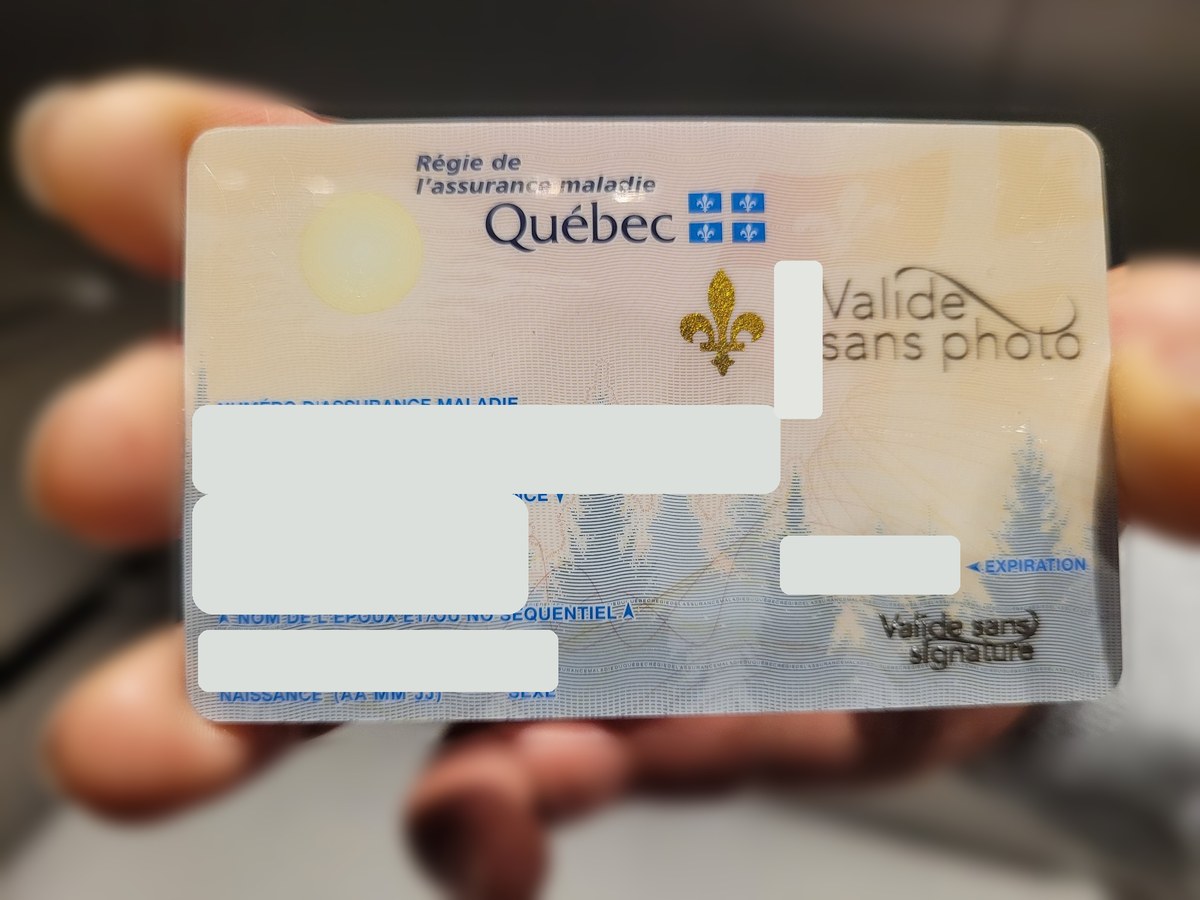
RAMQ’s definition of a “person settled in Québec” generally requires three things at once: your main home is in Quebec, you are present in Quebec for at least 183 days in a calendar year, and you have legal status in Canada, such as citizenship or permanent residence. Simply “living in Quebec” isn’t enough — home, days present, and status together create eligibility. Spending too long outside Quebec can also mean losing it.
The money picture is not “100% taxes” either. According to CIHI, Canada’s total health spending in 2024 was about $372 billion, of which public sources accounted for about 71%, out-of-pocket payments about 14.6%, and private insurance about 11.9%. In other words, roughly 29% of Canadian health care sits in the private sphere. The accurate description is: hospital and doctor services are publicly insured, while related items like drugs, dental care, and ambulances still leave costs with the patient. (All amounts in this post are in Canadian dollars.)
⏳ The Newcomer Waiting Period — Up to Three Months With No Coverage
If you move to Quebec from outside Canada, there is a waiting period of up to three months after you register with RAMQ before coverage begins. This waiting period applies to Canadian citizens, too — “I’m a citizen, so I’m covered right away” is not how it works. Children under 18 are an exception: they are exempt from the waiting period and covered from the start. Those first three months after arrival are effectively spent outside the system. If your appendix bursts or you’re in an accident during that window, you will generally have to pay for emergency surgery and hospital care yourself unless you have private insurance.
There are exceptions. People arriving from countries that have a social security agreement with Quebec — around ten countries, including France, Belgium, and Denmark — may start without a waiting period if they meet the conditions. South Korea is not one of those countries, so adult newcomers from Korea normally go through the waiting period. Moving from another Canadian province is different: your previous province’s plan bridges the gap under interprovincial arrangements, so the gap really only opens for people entering Canada for the first time.
As a rule, RAMQ does not reimburse care received during the waiting period, which is why both RAMQ and the Quebec government strongly recommend taking out private insurance as soon as you arrive. That said, RAMQ notes that some services — pregnancy- and childbirth-related care, for example — may still be provided free of charge during the waiting period. The exact scope depends on individual circumstances, so the accurate thing to say is simply that some exceptions exist.
The registration process works like this. First, once you meet the eligibility conditions after arriving in Quebec, you apply to register for RAMQ health insurance. Second, the waiting period is counted from the registration date; if your documents are late, your start date slips with them. Missing documents can be submitted within 12 months of registering, but the start may be delayed accordingly. Third, during the waiting period, keep the waiting-period letter RAMQ sends you until your card arrives — it serves as proof of eligibility when using the services that are covered in the meantime. Fourth, once the card is issued, coverage applies when you present it at the point of care.
💡 Tip: Register as soon as you arrive. Putting registration off pushes back the start of the waiting period, too, and lengthens the gap — so line up private insurance before you arrive to cover that window.
🚪 Hell at the Door — The Waits for a Doctor, the ER, and Specialists
To be matched with a family doctor in Quebec, you register on a centralized wait list called the Québec Family Doctor Finder (GAMF). As of February 19, 2025, 655,094 people were on the GAMF wait list — about 7.69% of Quebec’s population. At the same date, 71.13% of the population was registered with a family doctor. The key thing about GAMF is that registering doesn’t mean being matched; it means joining the queue. Priority is set not just by order of registration but by a nursing assessment of health needs.
The Quebec government has set a target of registering an additional 500,000 people by June 30, 2026 — including 180,000 people in vulnerable groups and 320,000 from the GAMF wait list. But that is a target, not an achievement. Being on the wait list doesn’t mean you can’t get any care at all. While you wait, there are still routes into primary care.
There are three main routes when you don’t have a family doctor. First, the GAP primary care access point: call 811 and choose option 3, and patients without a doctor who are registered with GAMF are assessed by a nurse and connected to an appropriate primary care resource. Second, walk-in clinics and superclinics, which offer care without an appointment or with a same-day booking — though there’s no guarantee of a spot at the time you want. Third, Info-Santé 811, a nurse advice line; it isn’t care itself, but it works as a first checkpoint for the question “do I need the ER right now?”
💡 Tip: If you don’t have a family doctor and you’re registered with GAMF, try GAP (811, option 3) before heading straight to the ER. After a nursing assessment, you may be directed to nearby primary care instead.
When those routes fail, everyone ends up in the ER. According to Santé Québec’s official briefing for the winter period of January–February 2025, ER stretcher occupancy ran at 106–123% across the province and 127–144% in Montreal, and the average ER stay was 17.9 to 19.4 hours, worsening to as much as 23.6 hours in Montreal during that period. About 44.5% of ER visits were for non-urgent problems that could actually have been handled in primary care — one reason the ER is so crowded is that primary care access fails first. Keep in mind, though, that these are winter peak figures; treating them as a year-round average would exaggerate things.
CIHI’s 2024–2025 data adds the national picture. There were 16.1 million ER visits in total; half of all ER patients stayed four hours or less, but one in ten stayed more than 14 hours. Patients who were admitted faced a different situation: half moved to a bed within 16 hours, but one in ten waited nearly 48 hours or more in the ER for a bed. The “18-hour average” alone mixes in long stays by non-urgent patients, while “half are done in four hours” alone hides the bottleneck for inpatient beds. Both numbers need to be read together.
The waits for specialists and non-urgent surgery are longer still. The Fraser Institute’s 2025 survey — a private survey based on physician responses, an estimate rather than official statistics — put the national median from GP referral to completed treatment at 28.6 weeks; Quebec was 32.5 weeks, while Ontario was 19.2 weeks. Official CIHI figures for 2024 show 68% of hip replacements, 61% of knee replacements, and 69% of cataract surgeries were performed within their benchmarks (182 days for hips and knees, 112 days for cataracts). Cancer radiation therapy, by contrast, starts quickly: a median of 13 days once a patient is ready, with 90% starting within 22 days — benchmark management works relatively well for time-sensitive care. Imaging tells a similar story of growing queues: Quebec’s MRI wait list grew from 94,714 people in December 2022 to 146,328 in December 2025 (figures reported from Santé Québec data).
Some conditions are especially dangerous to wait on. With appendicitis, time itself makes the disease worse, because the appendix can perforate. Reviews of the classic research suggest the perforation risk is around 2% or less in the first 36 hours after symptoms begin, then rises by about 5% with every additional 12 hours. In the large international AlliGatOr study, the longer patients waited after arriving at hospital to be assessed by the surgical team, the higher the perforation rate — about 23% when assessment happened within 12 hours, rising to about 48% beyond 72 hours. In-hospital delays after assessment, on the other hand, were not linked to perforation rates. The dangerous delay is the time spent waiting to be assessed; once the surgical assessment is done and you’re in line for the operating room, the system does put the sickest patients first. Quebec’s long ER stays and lower triage priority overlap exactly with that risky window.
Our family’s story is exactly this. One day, my son said his stomach hurt — badly. Call it a mother’s instinct: I was sure this was appendicitis. I sent my husband and son to the ER, and what came home was two exhausted people who had waited 13 hours without ever seeing a doctor. While they waited, my husband asked for someone to check whether it was appendicitis, and apparently a nurse took a quick look and said it didn’t seem to be. Back home, my son seemed to drift off from exhaustion — but then the pain wouldn’t settle even with painkillers, and he couldn’t straighten his body or even walk. So back to the ER they went. This time, with the previous day’s ER record in the system and the painkiller doses on file, the mood at the hospital was different. Suddenly a doctor appeared, and suddenly he was in emergency surgery. My instinct had been right all along. A simple appendectomy usually means going home the next day — but an appendix that had burst and been left that way took my boy to an operating room and nearly a week in hospital. It took four litres of saline just to wash out what had spilled, and they cleaned nearly the whole lower abdomen, they told us. In Korea, everything from consultation to surgery would have been done in no time; here, my child went through an ordeal instead. My brother-in-law, a doctor in Korea, was stunned when he heard — he said he could guess just how long it had been left. In a hospital where cancer patients go home in three or four days and appendicitis patients the next day, we stayed almost a week. That was the truly gruelling part.
✨ Heaven Once You’re In — Where the $0 Coverage Applies
So what does the world inside the door look like once your card is active? Under RAMQ, there is no charge at the point of care for medically necessary physician services (consultations, ordering tests, surgery), hospital admission, surgery, and emergency care (including the room, surgery, anesthesia, and care during a stay in a standard ward), and medically necessary tests performed in hospital. The core point is this: once emergency surgery and admission are decided, there is no medical bill.
It’s also worth knowing how the ER line works. Canadian ERs don’t run on a first-come, first-served basis; patients are queued using the five levels of the Canadian Triage and Acuity Scale (CTAS).
| Level | Category | Target time to see a doctor |
|---|---|---|
| Level 1 | Resuscitation | Immediately |
| Level 2 | Emergent | Within 15 minutes |
| Level 3 | Urgent | Within 30 minutes |
| Level 4 | Less urgent | Within 60 minutes |
| Level 5 | Non-urgent | Within 120 minutes |
Symptoms like abdominal pain are typically assigned to Level 3 or 4. Even if you come in with acute abdominal pain, CTAS Level 1–2 patients — cardiac arrest, heart attacks, major trauma — keep arriving and move ahead of you. So “Canadian ERs are always slow” and “serious cases are always fast” are each only half right. Assessment and emergency treatment move quickly by severity, but getting an inpatient bed is a bottleneck even for seriously ill patients. The stretch between a surgery being scheduled and actually getting into a bed is the most anxious part; past it, treatment without a bill begins.
In short, as long as your RAMQ coverage is active, there is no out-of-pocket charge for emergency surgery, admission, or care during your stay. What may still be billed is the ambulance, if you took one, and your cost-sharing for prescription drugs after discharge under drug insurance. This is the decisive difference from Korea: the same emergency surgery in Korea still comes with patient cost-sharing (see the comparison below).
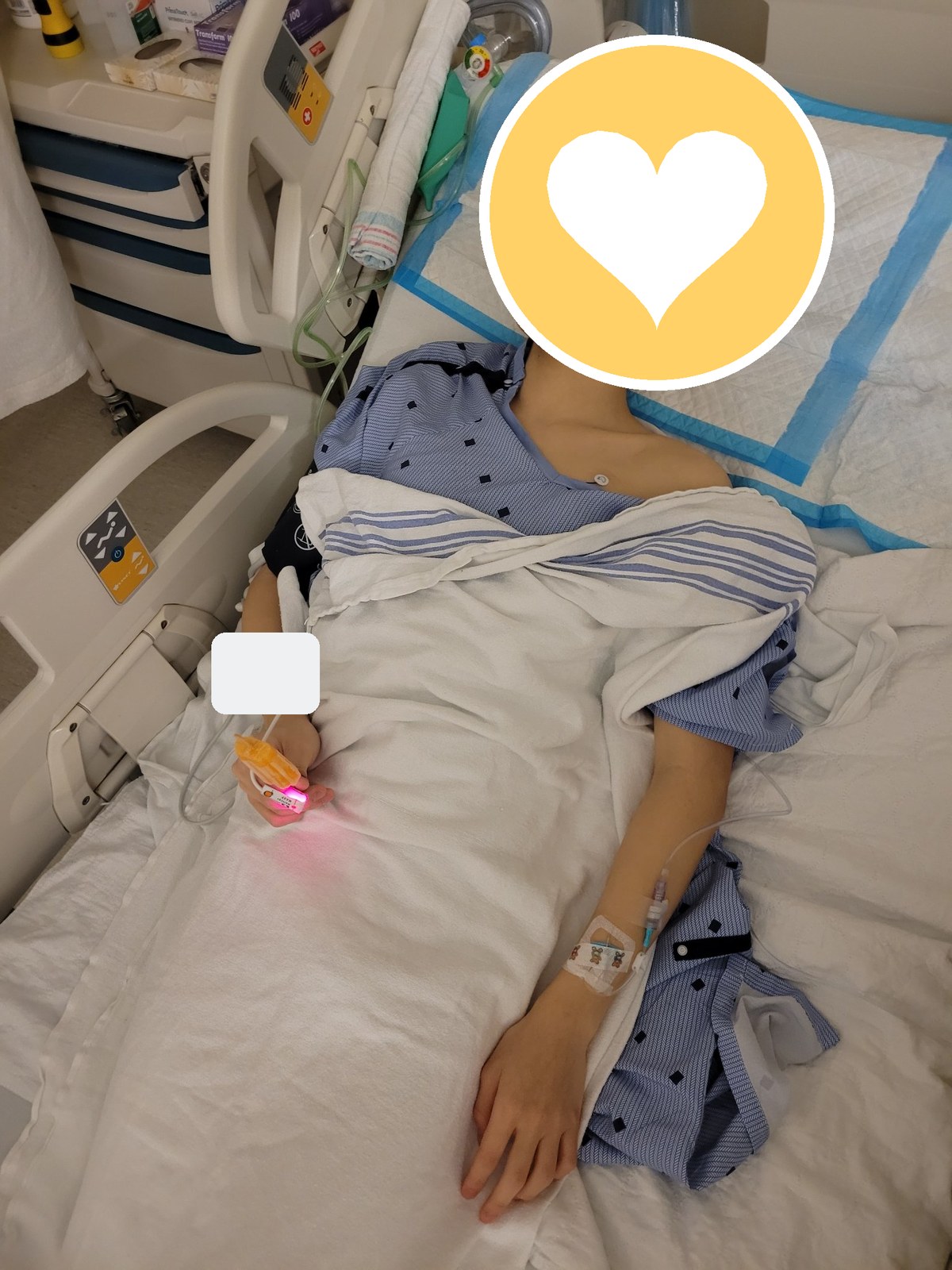
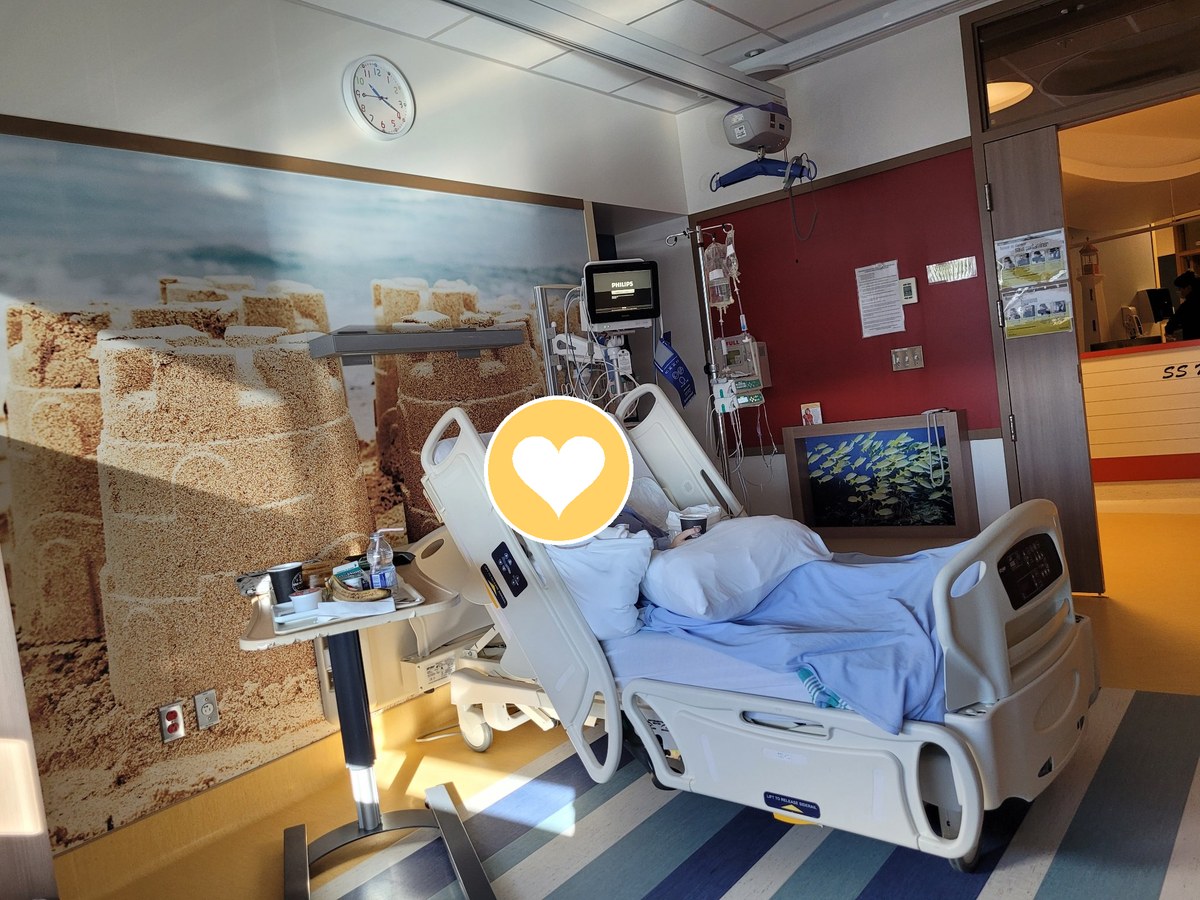
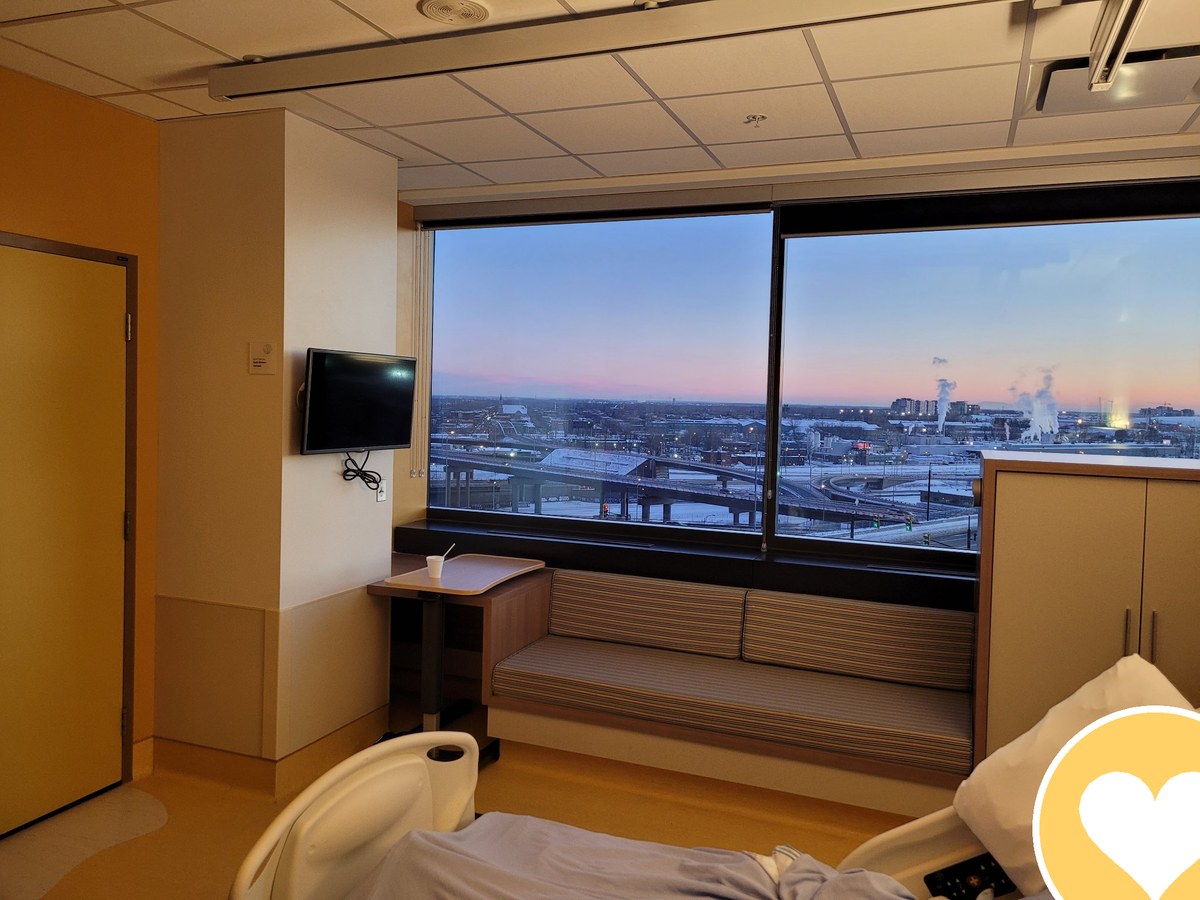
And then came the twist. From the moment the surgery was over, it was another world. The room my son was given was nicer than a private room at a general hospital in Korea. It was spotless, genuinely lovely, and comfortable for me as the parent staying by his side. And yet, even admiring the room, part of my mind was doing math. I’d heard care was free, but surely something would be charged — how much would a room like this cost alone? On discharge day, the nurses and several staff members congratulated my son on going home. When I asked where we go to pay, the answer was “You can just go home.” I asked if they were serious, and they were. Wow. So this place really doesn’t let people die. They say you have to be at death’s door before they’ll see you — but once they do, they save you, and maybe because of everything he’d been through, they didn’t charge us a thing, lol. Should I be thanking them for not taking my money? Either way, when it came to the hospital bill, I was genuinely moved. The care after surgery was the same. Korea’s medical system is so good that comparisons are almost unfair — but the attention to detail after the surgery honestly overwhelmed me. Later I heard that without a health card, this surgery would have cost around $10,000. I have to admit, I fell a little in love with that health card!! lol
💊 What’s Not Free — Drugs, Dental Care, and Ambulances
Prescription drugs are where Quebec truly stands apart in Canada. Every Quebec resident must have prescription drug insurance. Being uninsured is simply not an option. The structure has two tiers: if you can join a private group plan through work, you must join that private plan (as a rule, this includes your spouse and children); only people with no access to a private group plan join the public drug insurance plan (RAMQ’s drug plan). Under the public plan, at the July 2025–June 2026 rates, the cost is an annual premium of $0–$766 (income-based, paid through your tax return), a monthly deductible of $22, 30% of the drug cost, and a maximum of $102.64 per month and $1,232 per year. From July 2026, that becomes a premium of $0–$789, a monthly deductible of $21.25, and a maximum of $105.25 per month and $1,263 per year. So drugs are not “free” — you pay a premium, a deductible, and 30% — but there is a monthly ceiling, so even expensive ongoing medication stops adding up beyond a set level each month.
Drug costs caught us off guard, too. We’d never needed prescriptions, so we’d never gotten around to applying for the public drug plan — and the pharmacist explained that we had to be enrolled for the drug costs to be covered by insurance. He also said anything bought before approval wouldn’t be refunded, so we scrambled to make the call. The call itself was very difficult, but we got it done, and we picked up the medication the next day. Even for a painkiller prescription, the price was higher than I expected, and it struck me that without insurance, this could be a real burden.
💡 Tip: Check your drug insurance as soon as you start a job. Even if your workplace has a group plan, you can’t simply choose the public plan instead — if you can join the private plan, private comes first.
For dental care, general adult dentistry sits outside basic RAMQ coverage. There is a federal top-up, though: the Canadian Dental Care Plan (CDCP) is for residents who have no access to private dental insurance and whose household net income is under $90,000, and it expanded to adults aged 18–64 in May 2025. That is a federal program, not part of basic RAMQ coverage. Both “dental care in Canada is entirely out of pocket” and “dental is publicly covered” are oversimplifications.
Ambulances are another classic example of something not covered by public insurance — and the fees differ by province.
| Province | Resident charge (basic) |
|---|---|
| Quebec | $125 base + $1.75 per km (non-resident foreign nationals: $400 + $1.75 per km) |
| Ontario | $240 standard charge — reduced to a $45 co-payment only with a valid Ontario health card (OHIP) when a doctor deems the trip medically essential (another province’s card, no card, or deemed unnecessary: full $240) |
| British Columbia | Flat $80 |
| Alberta | $385 when transported; $250 when treated on scene but not transported |
| New Brunswick | $130.60 |
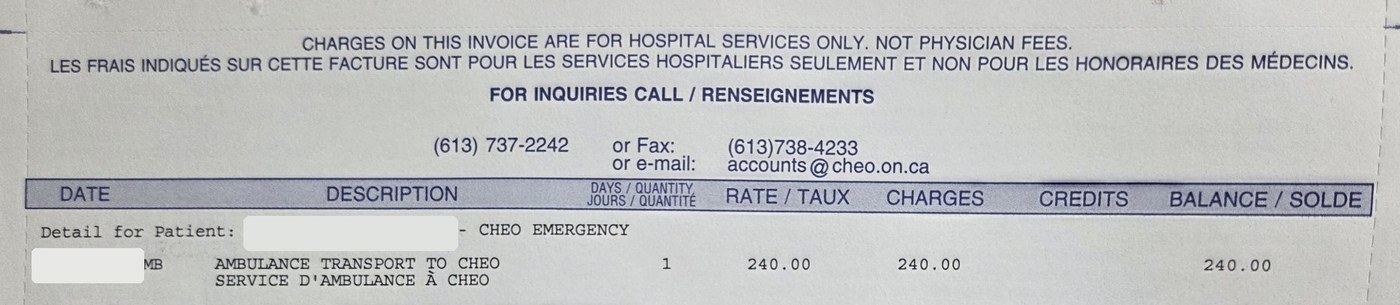
Beyond that, things like the price difference for a private or semi-private hospital room, physiotherapy, and eye exams fall to patients or private insurance depending on the item and the conditions. Eye exams and physiotherapy often follow conditional structures that vary by province, age, and circumstance, so checking your own province’s official guidance is the accurate route. And while a federal pharmacare program is under discussion, it has not been finalized and rolled out as a single nationwide public drug plan.
⚖️ Compared With Korea — 64.9% Coverage and the Country of Speed
South Korea’s national health insurance coverage rate was 64.9% in 2023: a statutory patient share of 19.9% plus a 15.2% share for non-covered services. Measured by the out-of-pocket share of health spending, Korea sits at 29% versus an OECD average of 18%. Korea’s door is low — but your wallet keeps opening after you walk through it. Coverage for the four major serious conditions, however, is 81.8%, higher than the overall average: the sicker the patient, the larger the public share.
Korea has ceilings, too. Its out-of-pocket maximum caps annual statutory cost-sharing at 890,000 won for the lowest income decile and 8.26 million won for the highest (2025 figures). A special calculation system lowers patient cost-sharing to 5% for serious conditions such as cancer and severe burns, and to 10% for rare and intractable diseases (subject to application periods and registration conditions). So “a serious illness means bankruptcy in Korea” is also an exaggeration. But the out-of-pocket maximum applies only to statutory cost-sharing; private-room surcharges, caregiving costs, and non-covered items remain outside it.
Speed and capacity run in the opposite direction. Korea leads the OECD in outpatient visits at 18 per person per year; Canada records 6.6. Hospital beds number 12.6 per 1,000 people in Korea (the OECD’s highest) versus 2.5 in Canada. Physician numbers are similar in both countries — about 2.7 per 1,000 people, below the OECD average of 3.9. The difference isn’t the number of doctors but gatekeeping: in Korea you can go straight to a specialist, while in Canada a family doctor’s referral is effectively the gate. ER stays are far shorter in Korea: National Medical Center statistics for 2024 show about 49% of all ER visits lasted under two hours, and only about 0.7% lasted 24 hours or more — with the caveat that patient mix and usage culture differ between the two countries. Korea has cracks of its own: the share of severe emergency patients hit a record 20.2% in 2024, as ER crowding and concentration on the most serious cases intensify.
Comparing the same appendectomy makes the contrast vivid. In Korea, appendectomy is paid under a packaged case-rate system (DRG), with a basic structure of 20% patient cost-sharing for the admission plus 50% for meals. One calculation puts the out-of-pocket cost for an uncomplicated laparoscopic surgery with a four-day stay at roughly 400,000–570,000 won — but note this is a private estimate, not an official published figure, so treat it as a reference point only. In Quebec, with active RAMQ coverage, the out-of-pocket cost is $0 — but the road to the operating table can be long. Korea: you get in fast and you pay. Quebec: you wait to get in and you don’t pay — that contrast runs through this entire post.
| Axis | Quebec (Canada) | South Korea |
|---|---|---|
| Access to everyday care | 650,000+ waiting to be matched with a family doctor; GAP and walk-ins fill the gap | Same-day outpatient care is normal; 18 visits per year |
| Emergency room | Average winter stay around 18 hours (peak period); severity prioritized by CTAS | Shorter stays (about 49% under two hours), but crowding and concentration at big hospitals |
| Specialists & non-urgent surgery | Waits of weeks to dozens of weeks (Quebec median referral-to-treatment 32.5 weeks, private survey) | Appointments generally possible within days to a few weeks |
| Emergency surgery & admission costs | $0 out of pocket (with active RAMQ) | Cost-sharing applies — e.g., 20% under packaged case rates — limited by the out-of-pocket maximum and special reductions |
| Overall coverage level | Public insurance centred on hospital and physician care; public share of total health spending about 71% | Coverage rate 64.9%; 81.8% for serious conditions |
| Prescription drugs | Mandatory drug insurance in Quebec (premium + 30%, with a monthly ceiling) | Generally 30% patient share at prescription, with reductions for seniors and others |
| Ambulance | $125 + distance-based charge (Quebec) | 119 ambulance transport itself is free (private ambulances charge) |
| Newcomer gap | Up to three months uninsured after arrival (private insurance needed) | Eligibility is restored immediately on returning or moving in |
🧭 By Situation — Working Holiday, Students, and Visitors
From here, the answer splits by individual case, so instead of verdicts, here are the routes to check. For a temporary resident to qualify for RAMQ, both the permit and the way you are staying must meet the conditions. One key requirement is holding an eligible work permit valid for more than six months, as defined by RAMQ — employer-specific (closed) permits are the representative case. Short permits and visitor status do not qualify. Temporary residents should also know that being absent from Quebec for more than 21 consecutive days can jeopardize eligibility; a long vacation or work trip can shake the coverage itself.
International students are, in principle, not eligible for RAMQ; exceptions are recognized mainly for students from countries with a social security agreement with Quebec. Spouses and children sometimes qualify together, but it depends on the permit type and the terms of the stay. This post won’t adjudicate the details — exactly when an open work permit on a working holiday qualifies, or which student status fits an exception. The accurate step is to check RAMQ’s official eligibility guidance against your own permit type and where your school is located. Visitors never meet the residency requirement at all, so the rule is to cover the trip with travel or private medical insurance arranged before departure.
❓ Frequently Asked Questions
Q. Is health care in Canada really all free?
No. Doctor visits and in-hospital surgery and admission carry no charge at the point of care, but prescription drugs, dental care, ambulances, and private-room surcharges are separate. The public share of Canada’s total health spending is also only about 71%.
Q. What is RAMQ, and who can get it?
RAMQ is the agency that runs Quebec’s public health insurance, and its health insurance card is what people mean by Quebec health insurance. It covers people settled in Quebec: those whose main home is in Quebec, who are present there at least 183 days in a calendar year, and who have legal status. Canada has no single national plan, so the operating body and rules differ by province.
Q. How do I apply for health insurance in Canada?
For Quebec: once you meet the eligibility conditions after arrival, you apply to register with RAMQ. The waiting period runs from your registration date, and once it ends and your card is issued, you present the card at the point of care. Late registration means a late start, so applying right after arrival matters.
Q. What does an ER visit cost in Canada?
With active RAMQ coverage, emergency care, surgery, and hospital treatment cost $0. If you arrived by ambulance, the ambulance fee (Quebec: $125 + $1.75 per km) is billed separately. Bills for ER care and hospitalization while uninsured vary enormously by situation, so this post does not name a specific amount.
Q. How long are ER waits in Canada?
In Quebec, the official briefing for the January–February 2025 winter peak reported average stays of 17.9–19.4 hours. Nationally, CIHI data shows half of all ER patients stay four hours or less. Severity is prioritized through CTAS levels, but the wait for an inpatient bed can still be long even for seriously ill patients.
Q. How do you see a doctor in Canada? Do you need a family doctor?
The basic gateway is a family doctor. In Quebec, you register on the GAMF wait list and wait to be matched; in the meantime you use GAP (811, option 3), walk-in clinics and superclinics, and the Info-Santé 811 nurse line. In an emergency, you go straight to the ER without a family doctor.
Q. What do prescription drugs cost in Canada, and is there help?
Drug insurance is mandatory in Quebec. If you can join a workplace group plan, that takes priority; otherwise you join the public drug plan. At the July 2025–June 2026 rates, the public plan costs an annual premium of $0–$766, a $22 monthly deductible, and 30% of drug costs — capped at $102.64 per month.
Q. Is dental care covered in Canada?
General adult dentistry is outside basic RAMQ coverage. Instead, the federal Canadian Dental Care Plan (CDCP) serves residents with no access to private dental insurance and household net income under $90,000, and it expanded to adults aged 18–64 in May 2025.
Q. How much does an ambulance cost in Canada?
In Quebec, it’s a $125 base fee plus $1.75 per kilometre. Ontario’s standard charge is $240, reduced to a $45 co-payment only with a valid Ontario health card (OHIP) when a doctor deems the trip medically essential — a health card from another province, like Quebec’s, does not qualify, so the full $240 is billed — though private insurance, such as a university plan, may reimburse part of it; BC charges a flat $80 for MSP-covered residents — it varies by province. Ambulances are a classic example of something outside the free scope of Canadian public insurance.
Q. What are the pros and cons of “free” health care?
The advantage is that the bigger the treatment — major surgery, a long hospital stay — the closer your cost risk gets to zero. The disadvantages are the long waits for a family doctor, the ER, and specialists, plus the ongoing costs of drugs, dental care, and ambulances. If what frightens you is the cost of a serious illness, Quebec’s side wins; if fast diagnosis and treatment matter most, Korea’s side wins.
🎬 The Bottom Line
Quebec’s system has society carry the cost of serious illness while patients carry the time cost of smaller problems; Korea’s system saves time and shares the cost. Neither is simply “the better system” — it depends on which risk frightens you more. If you’re young and healthy, Korea’s speed shines; if it’s the cost of a major illness you fear, Quebec’s $0 does its work. But Quebec’s $0 belongs only to residents with an active card. The three-month gap after arrival must be bridged with private insurance before you come.
— J.
Get the Free Canada Savings Checklist
Join the newsletter — get the free PDF checklist and weekly Canada savings tips in your inbox.
Read Next


Some links in this post are referral or affiliate links. If you sign up or buy through them, I may receive a bonus or commission at no extra cost to you. It helps keep this blog running — thank you!