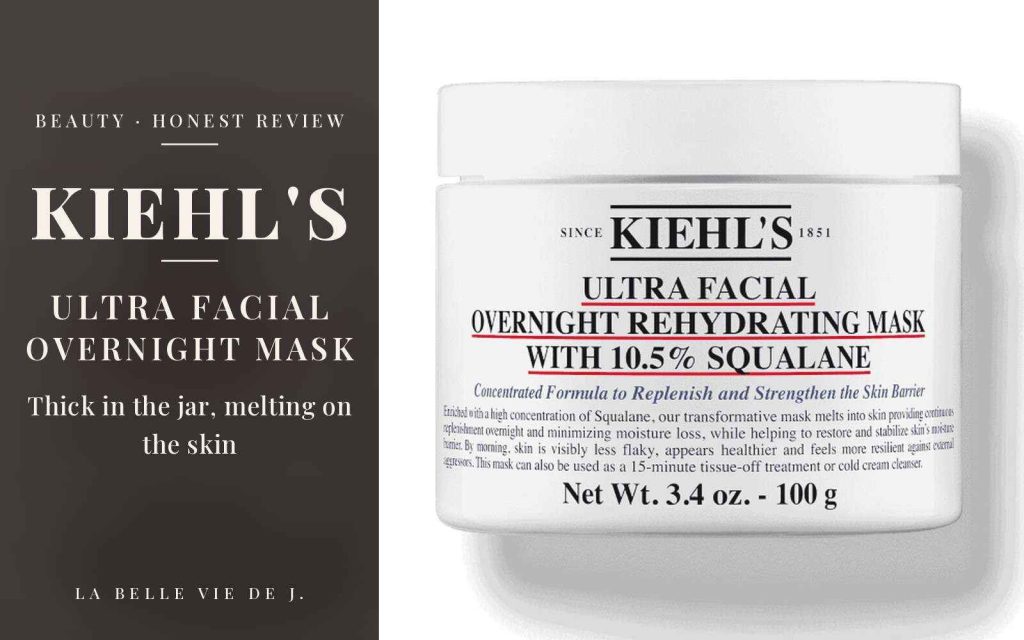
Kiehl’s Ultra Facial Overnight Mask Review: The Thick Night Cream That Melts on Skin
Last updated: November 14, 2026
Winter’s heavy artillery comes in a jar that melts on contact — this is my genuine review of a product I bought with my own money.
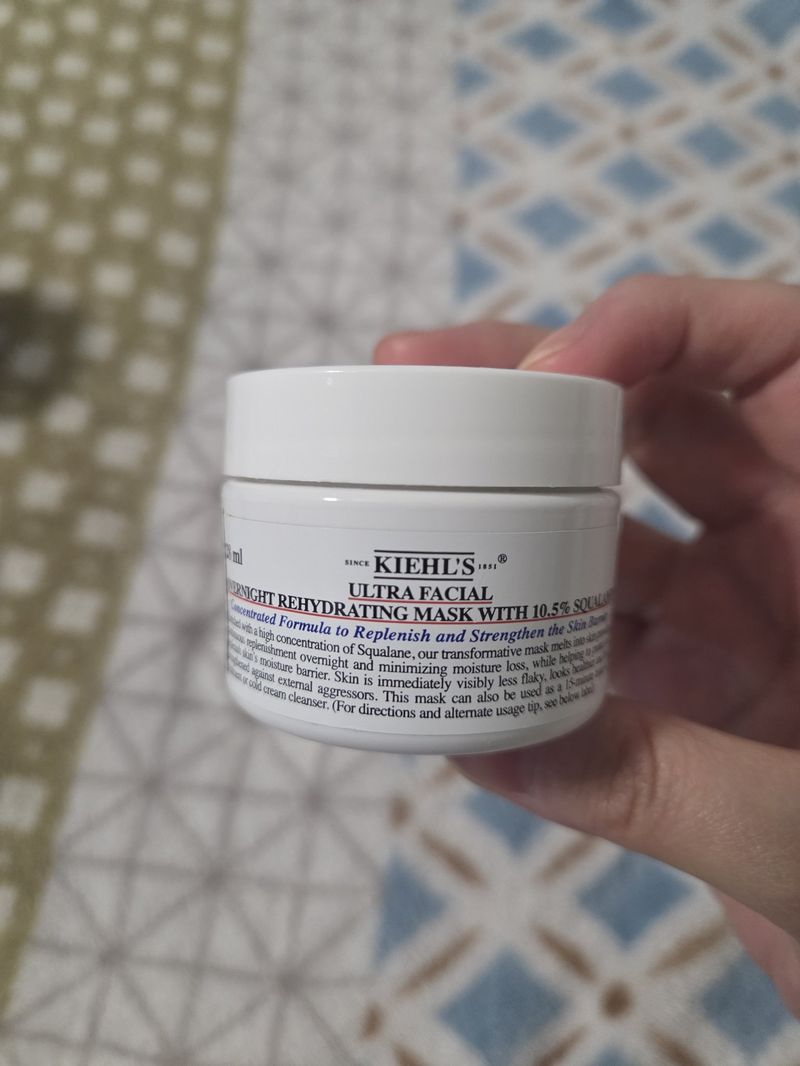
The second cream in my Kiehl’s series is a night-only product: Kiehl’s Ultra Facial Overnight Rehydrating Mask with 10.5% squalane. It is a thick balm in the jar that melts with body heat and glides on like a gel cream. I use the 28 ml mini size, two to three nights a week through late fall and winter — my cheeks wake up rested instead of crepey, and foundation applies noticeably smoother the next morning. The honest caveats: portion control is everything (too much and you are a grease slick), and you must let it absorb before bed or it will leave a cheek print on your pillow. In Korea it sells for around ₩69,000 for 100 ml. In Canada, it is CA$67 for 100 ml on kiehls.ca (as of October 2026).
🌿 Quick Take
- Texture: a rich balm that melts on contact with body heat and spreads like a gel cream.
- Best for: dry, tired skin needing overnight recovery — cheeks wake up rested instead of crepey.
- I use the 28 ml mini size two to three nights a week through late fall and winter (10.5% squalane).
- Watch out: portion control is everything — layer too much and it feels heavy.
- My take: a reliable winter-night staple — foundation applies noticeably smoother the next morning.
🫧 A Balm That Melts on Contact
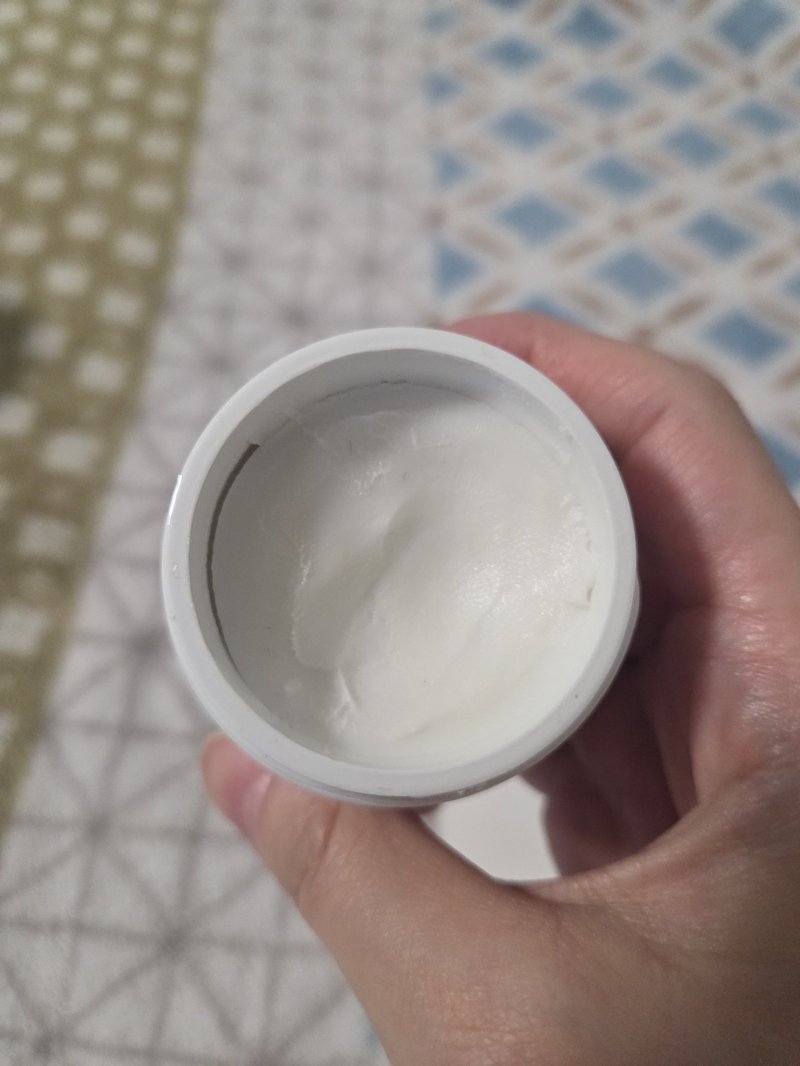
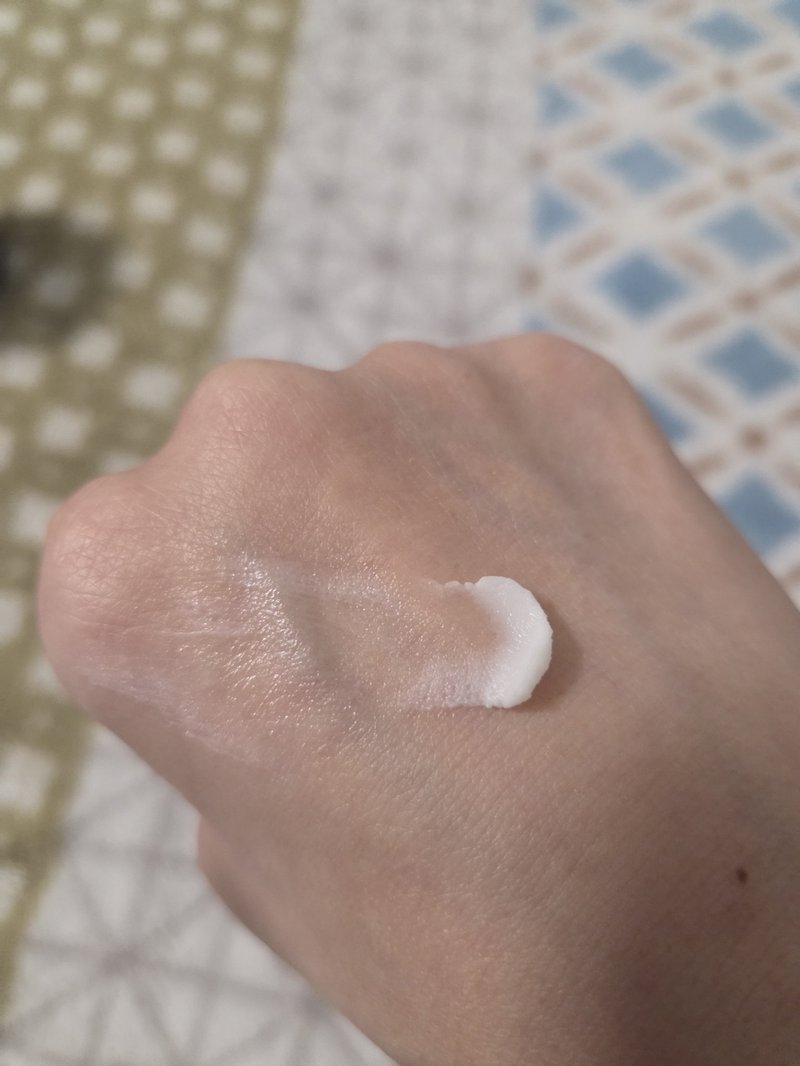
Open the jar and it is a thick, balm-type formula you can hardly scoop without a spatula. But once you apply it, it melts with your skin and hand temperature into something soft that spreads like a gel cream. That twist — rich in the jar, silky on the face — is the whole appeal. Tip: warm a rice-grain to pea-sized amount between your palms for a few seconds first; applied cold straight from the jar, it drags.
🌅 The Morning After
The difference is most obvious on winter mornings when the bedroom air is dry from the heating. My cheeks look rested instead of crepey, and the fine dry lines around my mouth are less visible. It is not a miracle — it is very good occlusion doing its quiet job overnight. Makeup the next morning applies noticeably smoother, especially around the nose and chin where dryness usually ruins the finish.
⚖️ Mask or Night Cream — When I Choose Which
I do not use this every night. In winter it is my heavy artillery two to three nights a week; on the other nights a regular night cream is plenty. Think of it as the difference between a daily moisturizer and a treatment — this is the treatment. Using it nightly would be overkill for my skin and would burn through the jar fast. Two to three times a week is the sweet spot where I see results without waste.
🔍 The Honest Downsides, All in One Place
One: the portion-control learning curve is real — start tiny. Two: the pillow risk — give it a good 15 to 20 minutes to absorb before the lights go out; I sleep on my side and learned this from a cheek print. Three: jar hygiene — I use the spatula religiously and never double-dip with fingers, and I still wish it came in a tube. Four: on humid nights this is simply too rich; it is a cold-season product and it knows it. Five: oily or congestion-prone skin will likely find it too heavy — if only your T-zone is oily, skip the T-zone when you apply. None of these are dealbreakers for me, but you deserve the full picture.
Verdict: a thick night-only balm with a surprisingly melty application. As long as you control the amount and give it time to absorb, it is the best ally for the dry season.
Back with the third cream next time.
Wishing you a beautiful day.
If you prefer reading in Korean, I’ve also published the full Korean edition of this review: 키엘 울트라 페이셜 오버나이트 마스크 후기 | 닿으면 녹는 두꺼운 밤 크림, 건성 피부의 겨울밤.
Before you go, you might also find my guides on Kiehl’s Midnight Recovery Cloud Cream Review and Kiehl’s Calendula Serum-Infused Water Cream Review useful.
🔬 What the 10.5% Squalane Actually Does
Squalane is the headline ingredient here, and it earns the spot. It is the stabilized form of squalene, a lipid your own skin produces, which makes it highly skin-compatible and quick to absorb without a greasy film. It does two jobs overnight. First, it forms a light protective layer that slows transepidermal water loss while you sleep — the main reason cheeks wake up rested instead of crepey in heated winter air. Second, it softens rough texture so makeup sits better the next morning. When I call this product “very good occlusion doing its quiet job,” this is the mechanism: no miracle ingredient, just the right lipid, in a serious concentration, sealing in the routine underneath it.
🧴 How to Use It Properly
The order is simple: cleanse, tone or essence, a lighter cream if you use one, then this mask last and thin. An overnight mask is the sealing step of the routine — it locks in everything under it. Warm a rice-grain to pea-sized amount between your palms first so it melts before it touches your face, then spread it thin. A thick layer does not absorb faster; it just ends up on the pillow. Two to three nights a week is the frequency where I see results without burning through the jar. If you are new to rich balms, patch test along the jawline first, and if your T-zone is oily, skip it when you apply.
❄️ Seasonal Notes
This is a cold-season product, and using it in season is half of using it well. I start it in late fall, when indoor heating begins drying the bedroom air, and it carries me through the worst of winter two to three nights a week. On humid nights it is simply too rich — my skin feels coated rather than comforted — so in summer it goes back in the drawer and a lighter night cream takes over. If your home runs dry year-round, you may get more months out of it than I do; if you live somewhere humid, treat it as a winter-only treatment and buy the smaller size first.
One more reason squalane anchors so many winter formulas: unlike its parent molecule squalene, which oxidizes easily, squalane is saturated and stays stable in the jar — it will not go rancid or turn irritating over the months a 100 ml jar takes to finish. For a product designed to be used a few pea-sized amounts at a time, that stability matters as much as the moisturizing itself.
💰 The Value Math
At CA$67 for 100 ml on the official Kiehl’s Canada store (price checked October 2026), the math depends entirely on portion control. At roughly a pea-sized 0.5 ml per use, one jar works out to about 200 applications — at two to three nights a week, that is well over a year of winters. Used nightly and thick, the same jar disappears in a season. That is why I keep calling portion control the whole game with this product: used thin, it is one of the best-value winter treatments I own; used generously, it is an expensive night cream.
Happy shopping 💛
— J.
The numbers that decide, gathered from the value math above:
| Measure | What it works out to |
|---|---|
| Per application | ≈ 0.5 ml — a rice-grain to pea-sized amount |
| 100 ml full size (CA$67, kiehls.ca, Oct 2026) | ≈ 200 applications — well over a year at two to three nights a week |
| 28 ml mini (the size I use) | ≈ 56 applications — about 19 to 28 weeks: one cold season |
| Cost per application | ≈ $0.34, at the full-size rate of $0.67 per ml |
🧮 The 28 ml Mini, by the Numbers
The value math above is worked on the full 100 ml jar, but the jar I actually use is the 28 ml mini — so run the same arithmetic on it. At the pea-sized 0.5 ml per application this review keeps coming back to, the mini holds about 56 applications. At two to three nights a week, that is somewhere between 19 and 28 weeks of use: one mini, bought in late fall, roughly covers the exact late-fall-to-winter stretch I use this mask for, with little left over.
The full-size rate frames the cost per night. CA$67 for 100 ml works out to $0.67 per millilitre, so a 0.5 ml application costs about $0.34 — and the same jar logic priced in Korea comes to ₩690 per millilitre from the ₩69,000 shelf price. That is the real reason the mini-first route makes sense: a season of testing costs you 28 ml of commitment, and the per-night price of the habit is known before the big jar ever enters the bathroom.
❓ Quick Questions, Answered From This Review
How often should I use it? Two to three nights a week is the sweet spot where I see results without waste. Nightly would be overkill for my skin — and would burn through the jar fast.
How much is enough? A rice-grain to pea-sized amount, warmed between your palms for a few seconds first so it melts before it touches your face. A thick layer does not absorb faster; it just ends up on the pillow.
What should I watch out for? Give it a good 15 to 20 minutes to absorb before the lights go out, skip the T-zone if yours runs oily, and park it for the summer — on humid nights it is simply too rich.
📚 You May Also Like
Get the Free Canada Savings Checklist
Join the newsletter — get the free PDF checklist and weekly Canada savings tips in your inbox.
Read Next
Some links in this post are referral or affiliate links. If you sign up or buy through them, I may receive a bonus or commission at no extra cost to you. It helps keep this blog running — thank you!