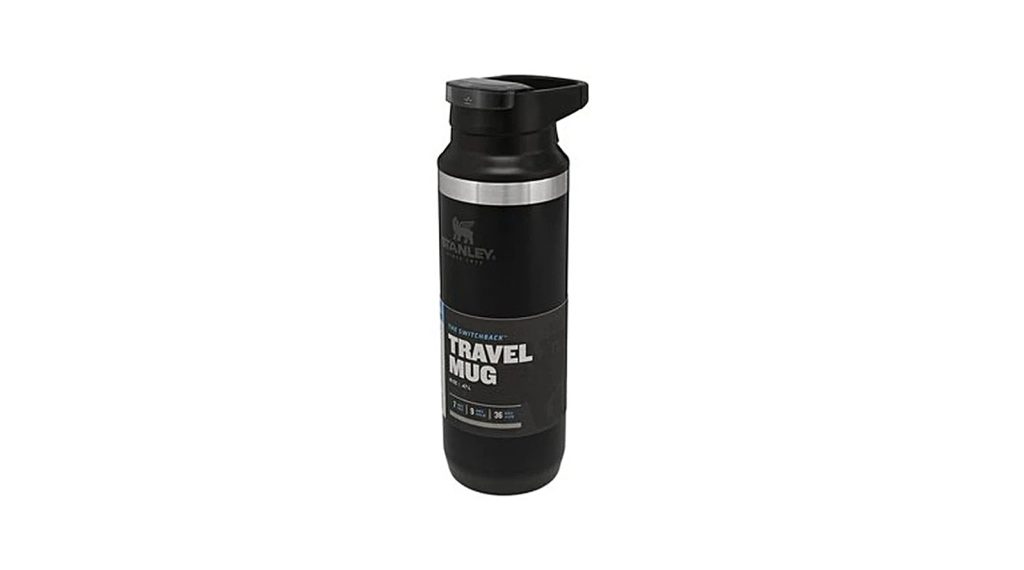
Stanley Travel Mug Recall: Is Your Switchback or Trigger Action Mug Affected? How to Get a Free Replacement Lid (US & Canada)
Last updated: November 7, 2026
Bonjour! It’s J. — There might be a free replacement lid waiting for you — and you may not even know your mug qualifies.
If you own a Stanley Switchback or Trigger Action travel mug — the ones without the straw, the ones people use for hot coffee on the commute — it may be part of a 2.6-million-unit recall. The lids can unexpectedly detach while you are drinking, spilling scalding liquid. Stanley received 91 reports of lids detaching worldwide, including 38 burn injuries, 11 of which required medical attention.
Here is the good news: Stanley is offering a free replacement lid, including shipping. No receipt needed. No need to return the mug. This guide walks you through exactly how to check whether your mug is affected and how to claim your replacement in both the US and Canada.
🌿 Quick Take
- Stanley’s Switchback and Trigger Action travel mugs (2.6 million units) were recalled on Dec 12, 2024: the lid threads shrink with heat and torque, so lids can detach mid-drink — 91 reports worldwide, 38 burn injuries.
- Flip your mug over and match the product ID on the bottom to the recall table (for example, Switchback 16 oz: 20-01436, 20-02211).
- The remedy is a free replacement lid, shipping included — no receipt needed, and you don’t return the mug.
- Stop using the mug for hot drinks until the new lid arrives; the official advice is to stop use entirely.
- Secondhand mugs qualify too — the recall follows the product, not the purchaser, so thrift-store and gift mugs are covered.
🔥 1. What Was Recalled and Why
On December 12, 2024, Stanley 1913 announced a voluntary recall of its Switchback and Trigger Action stainless steel travel mugs, in cooperation with the US Consumer Product Safety Commission (CPSC) and Health Canada.
The problem is in the lid. The threads on the polypropylene lids can shrink when exposed to heat and torque — the twisting motion of screwing the lid on and off a hot mug. Over time, the shrunken threads no longer grip properly, and the lid can suddenly detach during use. Because these mugs have no straw, you lift the mug directly toward your face to drink — so a detaching lid can pour hot liquid onto your hands, chest, or face.
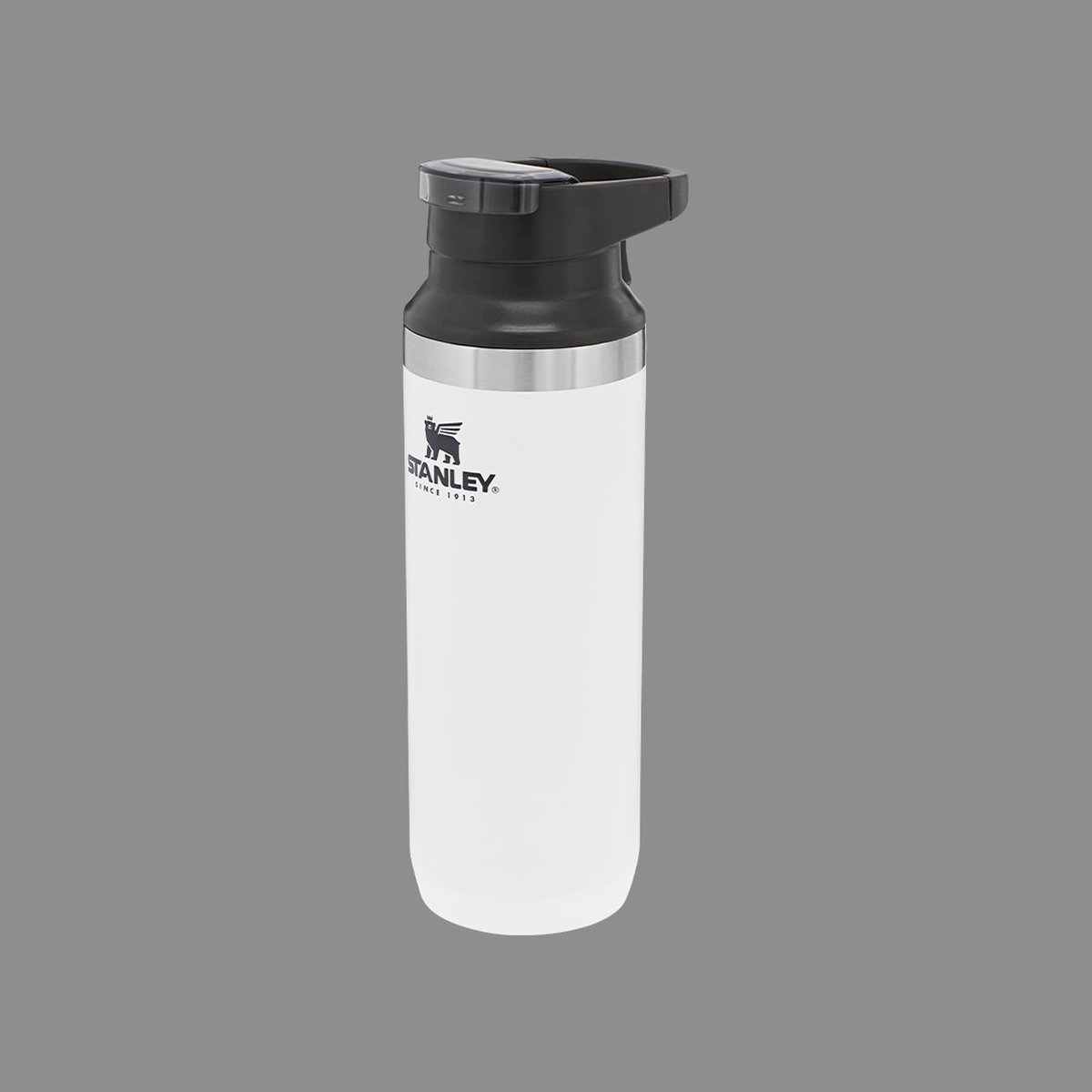
The recall covers about 2.6 million units sold between June 2016 and December 2024 at major retailers including Amazon, Walmart, Target, and Dick’s Sporting Goods, priced between $20 and $50 depending on the model. The mugs were manufactured in China and sold in a variety of colors, including white, black, and green.
Important: this recall does not include the famous Stanley Quencher (the large tumbler with the handle and straw). Only the Switchback and Trigger Action travel mugs are affected.
🔍 2. How to Check If Your Mug Is Affected
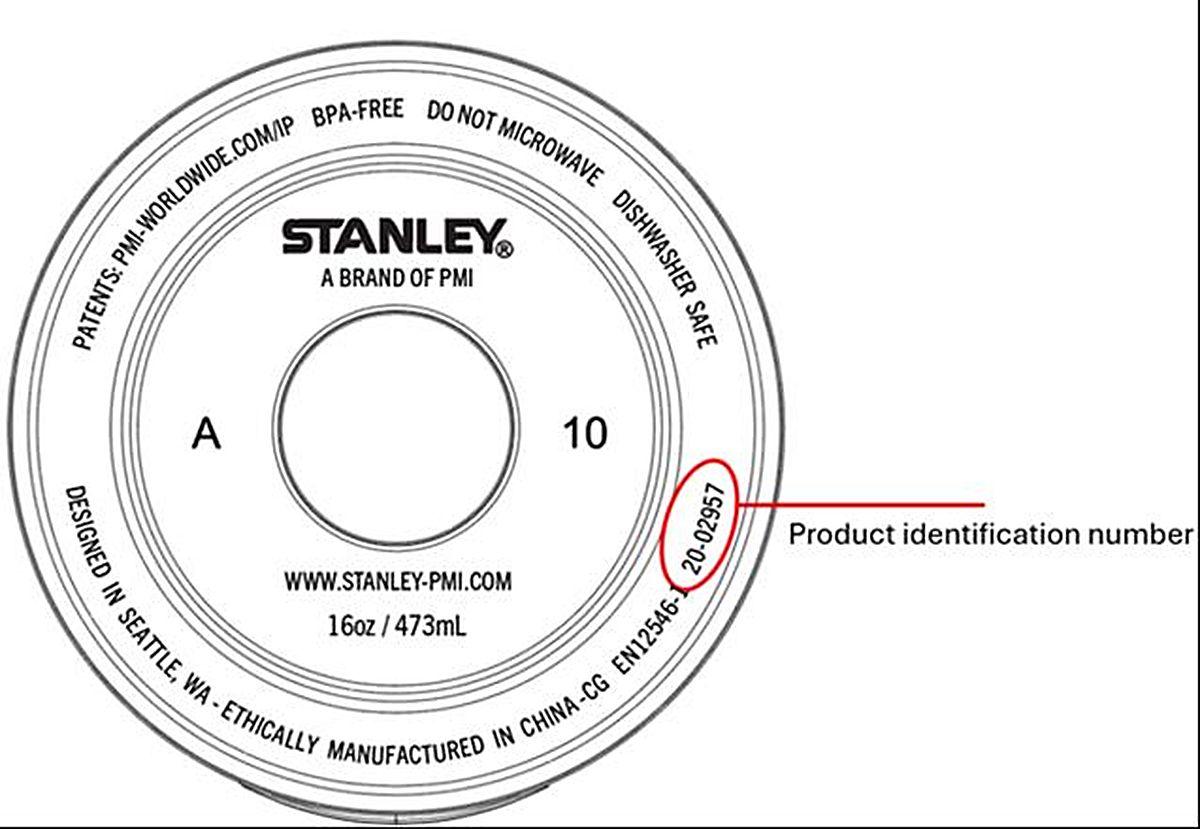
Flip your mug over. The product identification number is printed on the bottom of the mug. Compare it against this official list:
| Model | Size | Product ID(s) |
|---|---|---|
| Switchback | 12 oz | 20-01437 |
| Switchback | 16 oz | 20-01436, 20-02211 |
| Trigger Action | 12 oz | 20-02033, 20-02779, 20-02825 |
| Trigger Action | 16 oz | 20-02030, 20-02745, 20-02957 |
| Trigger Action | 20 oz | 20-02034, 20-02746 |
If your product ID matches any of the numbers above, your mug is part of the recall — even if the lid has never given you trouble. The defect develops over time with repeated heat exposure, so a lid that feels fine today can still fail later.
📋 3. How to Claim Your Free Replacement Lid (Step by Step)
Stanley set up a dedicated recall process. Here is exactly what to do:
Step 1 — Stop using the mug. The CPSC advises consumers to immediately stop using the recalled travel mugs. Switch to another mug or bottle for hot drinks until your replacement lid arrives.
Step 2 — Submit a claim online. Go to Stanley1913TMrecall.expertinquiry.com or visit www.stanley1913.com and click the recall link. You will enter your product information and where you bought the mug. If you do not remember the purchase details, you can enter “NA” — no receipt is required.
Step 3 — Receive your free replacement lid. Stanley will ship you a new, redesigned lid free of charge, including shipping. You do not need to send back the old lid or the mug.
Prefer to call? Contact Stanley toll-free at 1-866-792-5445, Monday through Friday, 8 a.m. to 5 p.m. ET.
🧠 Expert Corner: Why Do the Lids Shrink and Detach?
Understanding the failure helps you spot similar risks in other products. The lids are made of polypropylene, a common food-safe plastic. Like most plastics, polypropylene is sensitive to a phenomenon engineers call thermal cycling combined with mechanical stress.
Here is what happens, step by step. You pour near-boiling coffee into the mug. The plastic lid threads heat up and expand slightly. You screw the lid on tightly — applying torque. As the mug cools between uses, the threads contract. Repeat this hundreds of times and the plastic undergoes tiny, permanent deformations each cycle. The thread profile gradually changes shape — it effectively “shrinks” — until one day the lid that felt snug is actually barely gripping.
This is the same class of failure behind many plastic-thread recalls across industries: the material is fine at room temperature, but repeated heat plus twisting slowly defeats the mechanical fit. Metal threads do not behave this way, which is why all-metal closures rarely have this problem. It is also why engineers distinguish between static seals (a lid that simply sits on top) and dynamic threaded closures (a lid you twist on and off daily) — the latter must be designed for thousands of thermal cycles, and this particular lid design was not.
There is also a design lesson here. Straw-style tumblers (like the Quencher) are typically sipped without lifting the vessel high, and their lids are not load-bearing in the same way. A screw-on travel lid that you lift toward your face while holding hot liquid is a worst-case scenario for a lid failure — which is exactly why this recall was issued even though only a small fraction of the 2.6 million mugs ever caused an injury.
⚠️ 4. Safety Tips While You Wait for the New Lid
💡 Until the replacement arrives, treat the old lid as unreliable — even if it still feels tight.
• Use the mug for cold drinks only, or retire it temporarily. The shrinkage is driven by heat, so cold use is far less risky — though the official advice is to stop use entirely.
• Never fill it to the brim with hot liquid if you must use it. Less liquid means less spill volume if the lid fails.
• Test the lid before every use. Screw it on, then gently try to wiggle it. If there is any play or looseness that was not there before, that is the threads failing.
• Keep it away from children. Kids are less able to react to a sudden hot spill.
If a burn does happen, the standard first-aid guidance is to cool the burn under lukewarm running water and seek medical attention for anything beyond a minor redness. (This is general information, not medical advice.)

🇨🇦 5. What About Canada?
This is a joint recall with Health Canada, the US CPSC, and PMI WW Brands (Stanley 1913). Canadian consumers follow the exact same process: stop using the mug and contact Stanley for a free replacement lid, including shipping.
As of December 12, 2024, the company had received 3 incident reports in Canada, including 1 burn injury. Under the Canada Consumer Product Safety Act, it is illegal to redistribute, sell, or even give away a recalled product in Canada — so do not pass the mug along to someone else or list it on a buy-and-sell group.
Canadians can report any health or safety incident related to this or any other consumer product through Health Canada’s Consumer Product Incident Report Form.
🇨🇦 For Canadian Readers — Quick Links
- Report an incident: Health Canada Consumer Product Incident Report Form
- Official recall notice (Canada): Search recalls at recalls-rappels.canada.ca
- Stanley Canada support: toll-free 1-866-792-5445 (Mon–Fri, 8 a.m.–5 p.m. ET) or stanley1913.com
- Remember: under the Canada Consumer Product Safety Act, it is illegal to sell or give away a recalled product in Canada
Before you go, you might also find my guides on Your Old Insignia Air Fryer Could Be Worth and Anker Power Bank Recall useful.
♻️ 6. Bought It Secondhand? You Still Qualify
One of the most misunderstood parts of safety recalls: you do not need to be the original buyer. Found the mug at a thrift store? Received it as a gift? Bought it on Facebook Marketplace? It does not matter. The recall follows the product, not the purchaser.
This is why the claim form lets you enter “NA” for purchase details. Stanley cannot — and does not — require proof that you bought it at a specific retailer. What matters is only that the product ID on the bottom of your mug matches the recall list.
The same principle applies to nearly every consumer product recall: recalls are tied to the item, not the receipt. If you ever hesitate to file a recall claim because you lost the receipt or bought something used, do not. That hesitation is exactly why billions of dollars in recall remedies go unclaimed every year.
So — go flip your Stanley over and check that product ID. If it matches, you are a few clicks away from a free replacement lid. It is a small fix for a real burn risk, and it costs you nothing. That is exactly the kind of hidden money this series is about: safety recalls quietly returning value to people who take five minutes to check.
📋 Official Recall Sources
🔗 U.S. CPSC — Stanley Switchback & Trigger Action Recall Notice
🔗 Stanley 1913 Official Site — file your replacement lid claim
Found this useful? Check the rest of the Pennies from Heaven series for more recall refunds and hidden perks you might be sitting on.
Wishing you a beautiful day.
Happy saving 💛
— J.
Educational information only — not financial advice.
You May Also Like
- COSORI Air Fryer Recall: Check Your Model Number and Get a Free Replacement (US & Canada)
- Your Old Insignia Air Fryer Could Be Worth $75 — Here’s How I Claimed Mine (US & Canada Recall Guide, 2026)
- Anker Power Bank Recall: Check Your Model (A1257, A1647, A1652, A1681, A1689) and Get a Full Refund or Gift Card
Get the Free Canada Savings Checklist
Join the newsletter — get the free PDF checklist and weekly Canada savings tips in your inbox.
Read Next
Some links in this post are referral or affiliate links. If you sign up or buy through them, I may receive a bonus or commission at no extra cost to you. It helps keep this blog running — thank you!