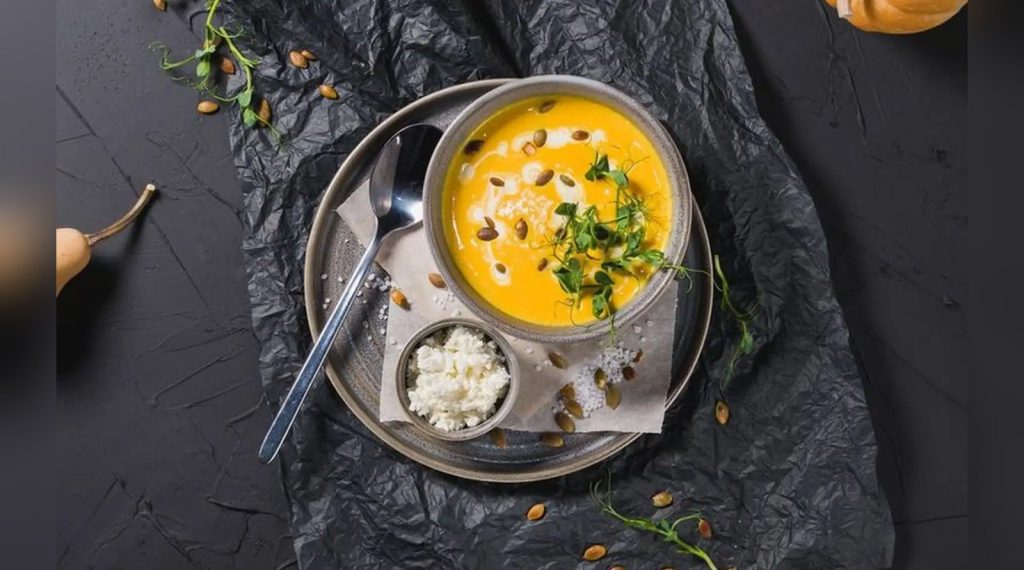
3 Warm and Sweet Pumpkin Recipes for Fall and Winter
Last updated: November 1, 2026
Bonjour! It’s J. — Pumpkin is the quintessential fall and winter ingredient. Sweet, versatile, and packed with beta-carotene, it’s the kind of ingredient that makes cold weather feel cozy. Here are three easy pumpkin recipes — one soup, one Korean porridge, and one classic dessert.
🌿 Quick Take
- 1. Kabocha Soup — savory & silky, ~30 min. Roasting the squash first brings out a deep, caramel-like sweetness.
- 2. Sweet Pumpkin Porridge (Hobakjuk) — cozy & sweet, ~40 min. A Korean soul food, gentle on the stomach.
- 3. Pumpkin Pie — the classic dessert, ~1 hr, made from scratch.
- Leftover purée: stir into oatmeal or yogurt, mix into pancake batter, or freeze in ice cube trays for smoothies.
- Storage: cut pumpkin keeps 5–7 days in the fridge wrapped tightly; cubed and frozen, it keeps 3 months.
🎃 Pumpkin 101: Know Your Squash
Before we cook, a quick field guide — because “pumpkin” actually covers very different personalities, and picking the right one is half the recipe.
Kabocha (단호박) is the Japanese variety: dense, chestnut-like, and intensely sweet, with a skin that turns tender when roasted. Its low water content makes it perfect for soups and steaming — it turns silky instead of watery. Butternut squash is the pear-shaped one with thin, easy-to-peel skin and a nutty flavor; it’s the roasting favorite. The mature pumpkin (늑은호박) in the porridge recipe below is the Korean classic — harvested late in the season, very sweet, with flesh that breaks down beautifully into a smooth porridge. And a warning: field or carving pumpkins (the Halloween jack-o’-lantern kind) are bred for size, not flavor — they’re watery and bland, so leave them for decorating.
Now the cooking science. Notice that the soup recipe roasts the squash first instead of just boiling it? There’s a reason: at oven temperatures, the squash’s natural sugars undergo caramelization (browning above roughly 160°C), while amino acids and sugars trigger the Maillard reaction — the same chemistry behind seared steak and toasted bread. Together they create that deep, caramel-like sweetness no pot of boiling water can reach. Boiling caps the temperature at 100°C, so the flavor stays flat and one-dimensional.
One more nutrition note: pumpkin’s beta-carotene is fat-soluble, which means the butter in the soup and the cream swirled on top aren’t just indulgence — they genuinely help your body absorb it. And don’t throw away the seeds: roasted pumpkin seeds are known to be a good source of fiber and minerals. Nothing wasted, everything delicious.
Before the recipes — a little inspiration. These are real pumpkins from my own Halloween seasons: carved with my kids in 2018, and a contest entry from 2019. Every October, pumpkins are everywhere in Montreal — and the best recipes start with picking a good one.

2019 — A carved pumpkin from the contest. The same pumpkins you decorate with? They cook beautifully too.
🍲 1. Kabocha Squash Soup
Smooth and warming kabocha soup is the ultimate comfort on a cold day. Roasting the squash first — instead of just boiling it — brings out a deep, caramel-like sweetness that makes all the difference.
- Halve the kabocha, remove seeds, and roast at 200°C (400°F) for 30 minutes.
- Sauté onion in butter, add the roasted squash flesh and chicken stock, simmer 15 minutes.
- Blend until smooth and stir in 2 tablespoons of heavy cream.
- Season with salt and pepper, garnish with pumpkin seeds.
- Tip: a pinch of nutmeg or a swirl of maple syrup takes it to another level.
🥣 2. Sweet Pumpkin Porridge (Hobakjuk)
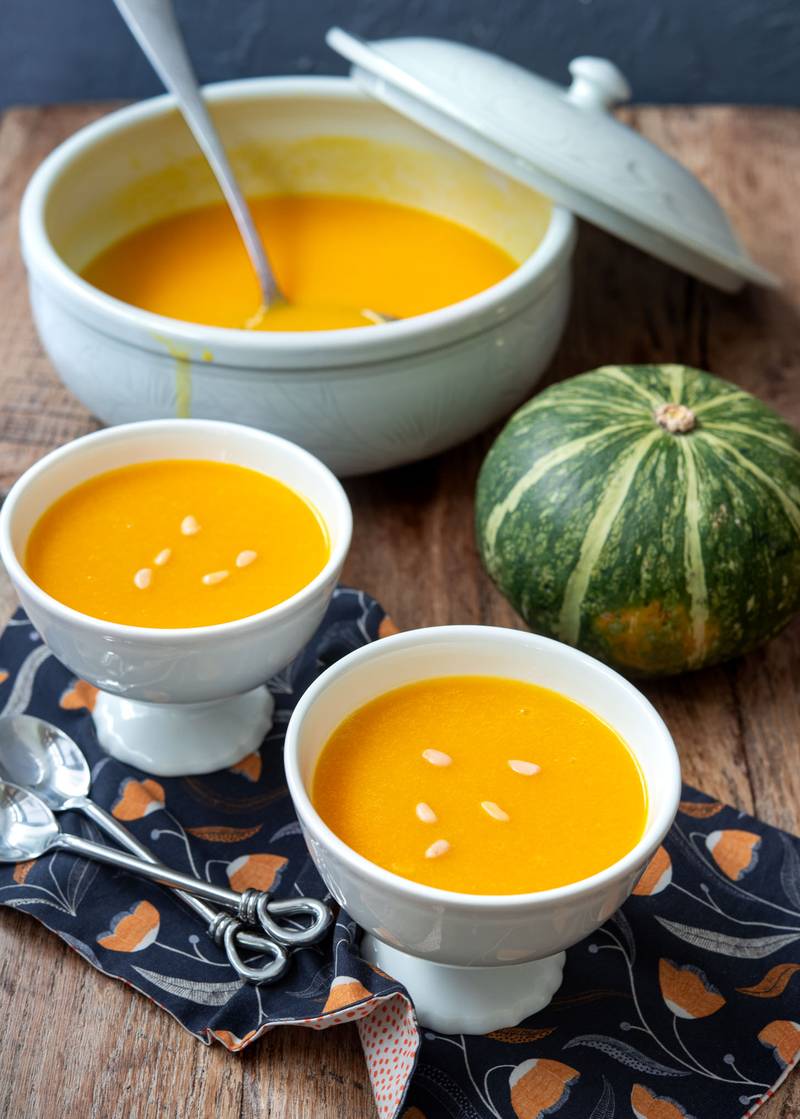
A Korean soul food — sweet, hearty pumpkin porridge. This is the dish Koreans crave when they need comfort: naturally sweet, gentle on the stomach, and beautiful golden color.
- Cut half a mature pumpkin into pieces and boil until soft (about 20 minutes).
- Strain or blend until smooth.
- Dissolve 3 tablespoons of glutinous rice flour in water, add it in, and stir while simmering until thick.
- Season with a pinch of salt and top with pine nuts.
- Add small rice cake balls (saealsim) for extra deliciousness.
- Tip: a drizzle of honey on top instead of sugar keeps the flavor clean and natural.
🥧 3. Pumpkin Pie
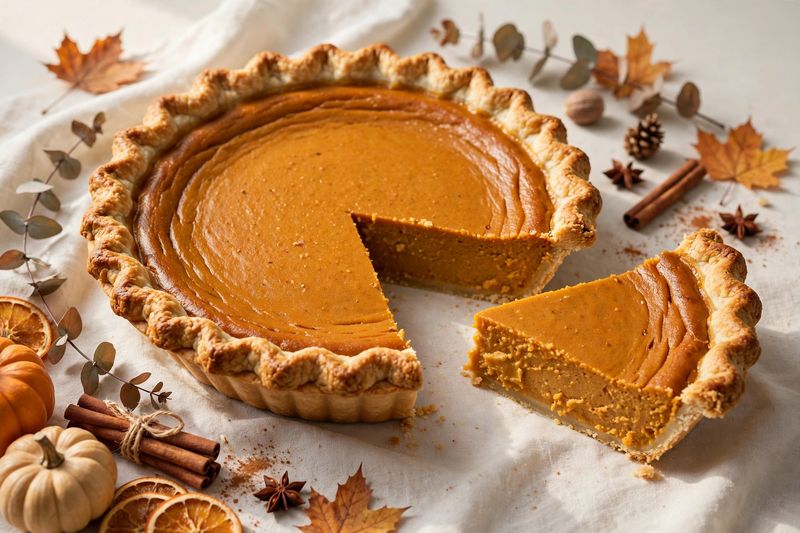
The classic dessert of Halloween and Thanksgiving — you can make it at home. Store-bought pumpkin pie is fine, but here is the from-scratch version: a silky filling and fresh spice.
- Mix 1 cup pumpkin purée with 2 eggs, 1/2 cup sugar, 1 tsp cinnamon, and 1/2 tsp ground ginger.
- Stir in 1/2 cup evaporated milk until well combined.
- Pour into a pie crust and bake at 180°C (350°F) for 50 minutes.
- Cool completely and serve with vanilla ice cream for perfection.
- Tip: the pie is done when the center still jiggles slightly — it firms up as it cools.
📦 Bonus: What to Do with Leftover Pumpkin
Made too much purée? Don’t let it go to waste.
- Stir a spoonful into oatmeal or yogurt for breakfast.
- Mix into pancake batter for fall-flavored pancakes.
- Freeze in ice cube trays — perfect portions for smoothies later.
📦 Pumpkin Storage Tips
💡 Tip: Cut pumpkin keeps 5–7 days in the fridge wrapped tightly. For longer storage, cube and freeze — it keeps for 3 months.
- Store whole pumpkins in a cool, ventilated spot — they keep for weeks.
- Wrap cut pumpkin in plastic and refrigerate; use within a week.
- Freeze as purée for long-term storage — it keeps for months.
- Roasted pumpkin cubes also freeze well for quick soups later.
Pumpkin is a generous ingredient with nothing to waste — flesh, seeds, even the skin of some varieties. It’s also a nutritional powerhouse: rich in vitamin A, fiber, and antioxidants, all for very few calories. Stay warm this fall and winter with pumpkin cooking. Which recipe will you try first?
Before you go, you might also find my guides on Fall Seasonal Foods and Canadian Thanksgiving 2026 useful.
One more worth reading: my notes on October’s Best Sweet Potatoes.
🔄 Variations: One Pumpkin, Many Directions
Once the three recipes feel familiar, variations come easily. A teaspoon of curry powder in the kabocha soup turns it into something exotic; add red beans or chestnuts to the porridge and the texture gets richer. Bake the pumpkin pie filling in small ramekins with no crust and you have a gluten-free dessert. Make one generous batch of pumpkin purée and all three dishes branch off from it — purée made on the weekend and frozen is the single prep that makes weeknight dinners easiest.
And a quick word on choosing a whole pumpkin: it should feel heavy for its size, with a hard rind and a dry stem, and a knock should give a clear, hollow sound — that means it is well filled inside. Buying a cut half instead? The deeper the orange of the flesh, the sweeter and more nutritious it is. One pumpkin is generous enough to run all three recipes, so shop once on the weekend and the weeknight menu questions mostly answer themselves.
🥧 A Crust From Scratch, Once
A store-bought crust is perfectly fine, but making your own once lifts the pie a class. The basic ratio: 1¼ cups all-purpose flour (about 160 g), 110 g cold butter, 1 teaspoon sugar, ½ teaspoon salt, and 3 to 4 tablespoons of ice water. The key is temperature — cube the butter and give it 15 minutes in the freezer, then mix the dough only until the butter pieces are pea-sized. Butter that has not melted is what bakes into flaky layers. Gather the dough, rest it in the fridge for an hour, roll it into the pie plate, and crimp the edge with a fork for the classic pattern. Leftover scraps? Sprinkle them with sugar and cinnamon and bake them — they become cookies in their own right.
All three dishes keep their flavour for 3 to 4 days in the fridge. Reheat the soup and the porridge with a little extra water or milk and the first-day texture comes back; for the pie, let it sit at room temperature for 30 minutes before serving so the crust crisps up again.
Happy eating 💛
— J.
📚 You May Also Like
Get the Free Canada Savings Checklist
Join the newsletter — get the free PDF checklist and weekly Canada savings tips in your inbox.
Read Next


How do you save on this? Share your own tip in the comments — I'd love to hear it!
Some links in this post are referral or affiliate links. If you sign up or buy through them, I may receive a bonus or commission at no extra cost to you. It helps keep this blog running — thank you!