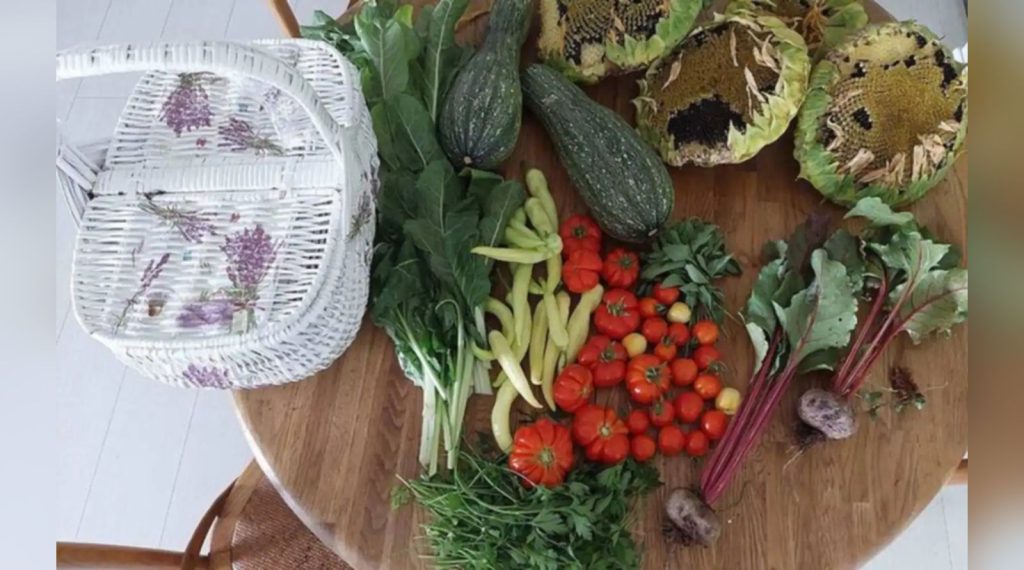
Fall Seasonal Foods: How to Eat Them for Maximum Nutrition
Last updated: November 1, 2026
Fall is harvest season — and the best time to eat with the seasons. But did you know that how you eat these foods changes how much nutrition you actually absorb? Vitamins A, D, E, and K are fat-soluble, which means a little oil or heat can unlock far more of their goodness. Here is a simple guide to getting the most out of seven fall staples.
💡 Tip: Fat-soluble vitamins (A, D, E, K) need a little fat to be absorbed. Toss roasted vegetables in olive oil, or add a knob of butter to soup — your body will thank you.
🌿 Quick Take
- Fall produce is at its most flavorful — and most affordable — right now.
- Key principle: fat-soluble vitamins (A, D, E, K) need a little fat to be absorbed — toss roasted vegetables in olive oil or add a knob of butter to soup.
- Carrots: stir-fry in oil for beta-carotene. Sweet potatoes: roast whole with the skin on.
- Tomatoes deliver more lycopene cooked (sauce or soup) than raw.
- Spinach: a quick blanch reduces the oxalic acid that blocks mineral absorption.
- Apples & pears: eat them raw with the skin on for the most fiber.
🥕 Carrots
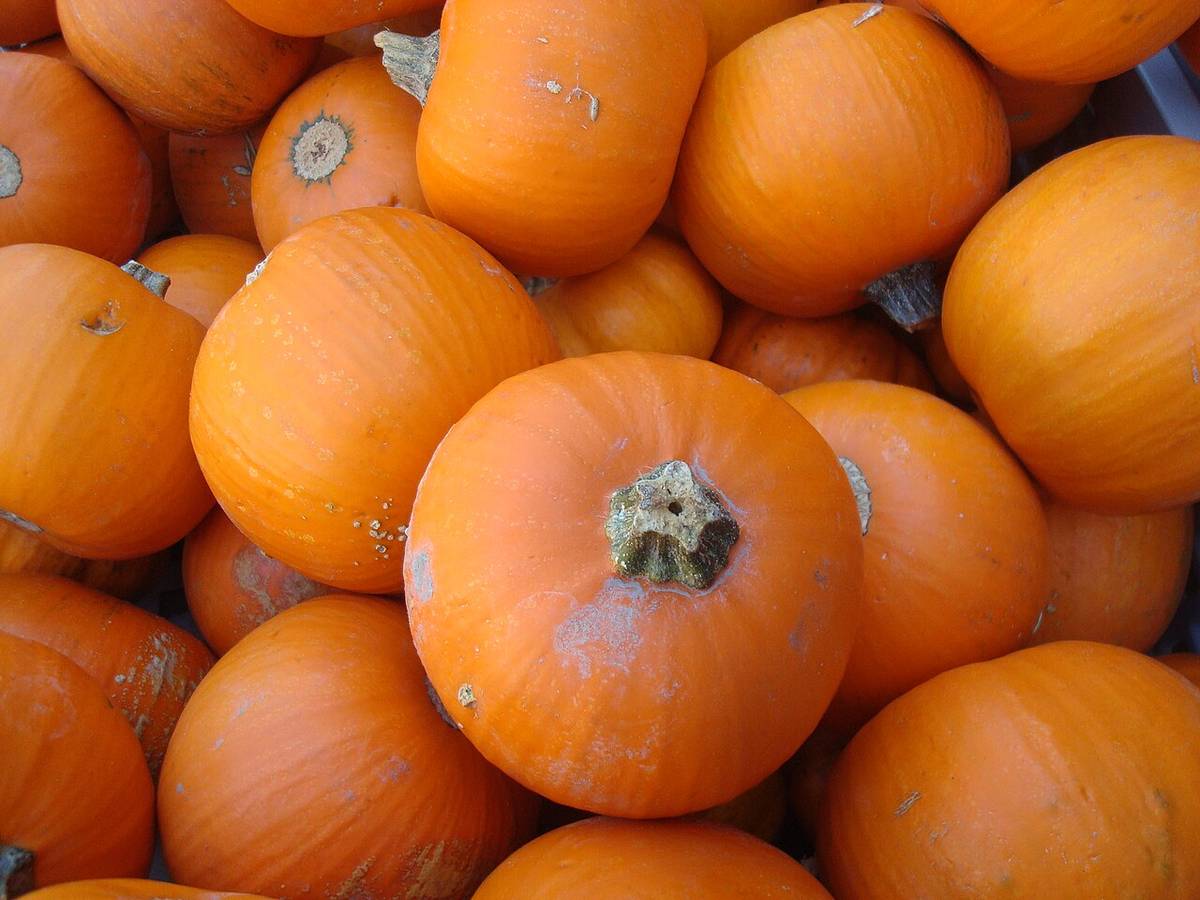
Carrots are rich in beta-carotene, which the body converts to vitamin A for healthy eyes and skin. Raw carrots are crunchy and refreshing, but a quick stir-fry in oil helps your body absorb far more of the good stuff. Keep the peel on when you can — much of the nutrition sits just beneath it.
🎃 Butternut Squash
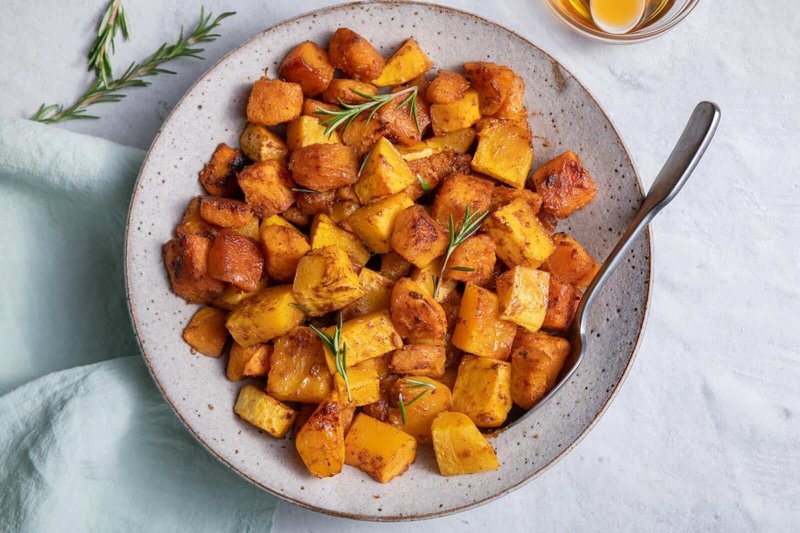
Butternut squash is another vitamin A powerhouse, with a natural sweetness that deepens when roasted. Cut it into cubes, toss with olive oil and a pinch of salt, and roast until caramelized — or simmer it into a silky soup for chilly evenings. Either way, the heat plus a little fat makes its nutrients easier to absorb.
🍅 Tomatoes
Tomatoes contain lycopene, an antioxidant that actually becomes more available when tomatoes are cooked. A simple tomato sauce or a bowl of tomato soup delivers more lycopene than the same tomatoes eaten raw. Save the fresh ones for salads, and cook the ripe ones down into sauce.
🍤 Mushrooms
Mushrooms are one of the few plant foods that provide vitamin D, especially when they have seen some sunlight. Sauté them in butter or oil until golden — the fat helps with vitamin D absorption, and the browning brings out a deep, savory flavor. They make an excellent side for any fall dinner.
🥬 Spinach
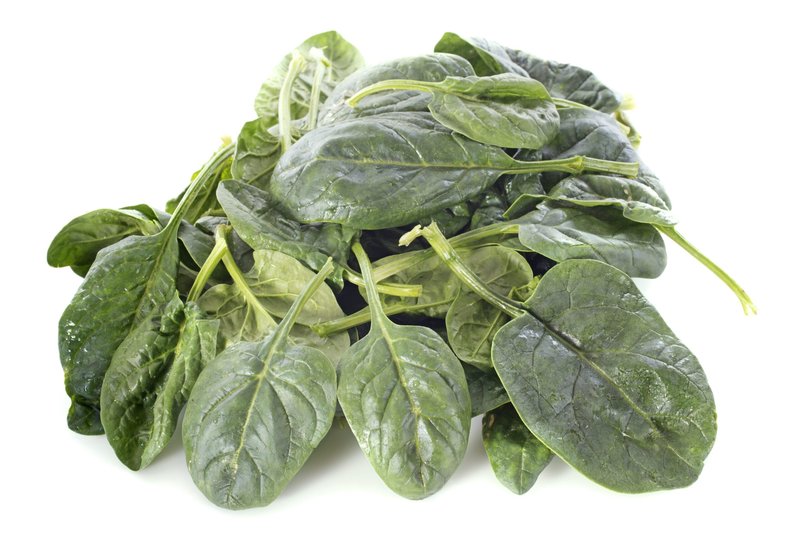
Spinach packs iron and folate, but raw spinach also contains oxalic acid, which can block some mineral absorption. A quick blanch in boiling water softens the leaves and reduces the oxalates — then squeeze out the water and season simply. Wilted into soups or pastas, it nearly disappears while quietly boosting nutrition.
🍠 Sweet Potatoes
Sweet potatoes offer beta-carotene and fiber, and their skin holds a good share of both. Roast them whole with the skin on — the flesh turns custardy and sweet with no added sugar needed. Slice and roast with a drizzle of oil for crispy edges that everyone fights over.
🍎 Apples & Pears
Apples and pears are at their peak in fall, full of fiber and vitamin C. Eat them raw with the skin on for the most fiber — that is where much of it lives. When they start to soften, bake them with a sprinkle of cinnamon for a dessert that tastes indulgent but is not.
📊 Quick Summary
| Food | Key Nutrient | Best Way to Eat |
|---|---|---|
| 🥕 Carrots | Beta-carotene | Stir-fry in oil |
| 🎃 Butternut squash | Vitamin A | Roast or soup |
| 🍅 Tomatoes | Lycopene | Cooked (sauce/soup) |
| 🍄 Mushrooms | Vitamin D | Sun-dried, then cooked |
| 🥬 Spinach | Iron, folate | Blanched |
| 🍠 Sweet potatoes | Beta-carotene, fiber | Roasted with skin |
| 🍎 Apples & pears | Fiber, vitamin C | Raw, with skin |
🍂 Enjoy the season: Fall produce is at its most flavorful — and most affordable — right now. Pick one or two of these foods this week and try a new way of cooking them. Eating with the seasons is one of the simplest pleasures of autumn.
🌐 Read in another language: Français
Before you go, you might also find my guides on 3 Warm and Sweet Pumpkin Recipes for Fall and Kiehl’s Calendula Serum-Infused Water Cream Review useful.
🔬 Why Cooking Changes What You Absorb
The principle running through this whole guide deserves its own explanation. The nutrients in vegetables are locked inside cells with rigid walls. Heat softens and breaks those walls — which is why the lycopene in tomatoes and the beta-carotene in carrots become more available after cooking than before. Fat plays the second role: vitamins A, D, E, and K do not dissolve in water, they dissolve in lipids, so without a little oil or butter, a share of them simply passes through unabsorbed. The exception that proves the rule is vitamin C, which does not tolerate prolonged heat well. That single fact explains the whole summary table: vitamin C foods like apples and pears are best eaten raw, while the carotenoid vegetables gain from cooking with a little fat. Cooking “just enough” rather than “as long as possible” keeps the best of both worlds on the plate.
🧺 At the Fall Market: Choosing and Storing
A few simple rules make the season last longer. At the market, pick squash and sweet potatoes that feel heavy for their size, with firm, unblemished skin — these are storage vegetables, built to keep. Carrots should be firm and snappy, spinach a deep green with no yellowing leaves. At home, whole squash and sweet potatoes keep for weeks somewhere cool, dry, and dark — not in the refrigerator, where the cold damages their texture. Apples are the opposite: they belong in the crisper drawer, which protects their crunch. Mushrooms keep best in a paper bag rather than plastic, which traps moisture against them. Buying in season in Québec, from September into November, also means paying the softest prices of the year for exactly these foods: the local harvest is abundant at the very moment quality peaks, and the market stalls show it.
🍽️ A Week of Fall Eating, Put Together
To turn the theory into an ordinary week, here is how the seven foods rotate without any complicated menu planning. Early in the week, roast one big tray of squash and sweet potatoes: part of it anchors dinner, and the rest becomes a silky soup two days later. Carrots stir-fried in oil are a ten-minute weeknight side. Golden mushrooms land on pasta or fold into an omelette. A weekend batch of simmered tomato sauce covers one pasta night and the base of another soup. Blanched spinach disappears into almost anything — soup, pasta, rice — without ever taking over the plate. And apples and pears close the meals or travel as snacks, raw and skin-on, exactly as the principle of this guide intends. Seven foods, a handful of repeated moves: that is the entire machinery of eating seasonally, and it asks for neither a special budget nor special talent.
Happy eating 💛
— J.
📋 The Whole Guide on One Card
Everything above, compressed into the card I actually cook from.
- 🥕 Carrots — beta-carotene — stir-fry in oil, peel on.
- 🎃 Butternut squash — vitamin A — roast with olive oil, or simmer into soup with a knob of butter.
- 🍅 Tomatoes — lycopene — cook them down into sauce or soup; raw is for salads.
- 🍄 Mushrooms — vitamin D — sauté in butter or oil until golden.
- 🥬 Spinach — iron and folate — blanch briefly to cut the oxalic acid, then season simply.
- 🍠 Sweet potatoes — beta-carotene and fiber — roast whole, skin on; a drizzle of oil when sliced.
- 🍎 Apples & pears — fiber and vitamin C — raw, skin on, no cooking at all.
Count the pattern and the principle shows itself: five of the seven foods gain from real cooking, one — spinach — from a brief blanch, and one from being left completely alone. Heat plus a little fat for the carotenoid vegetables, restraint for the vitamin C fruit: that single sentence is the whole guide, and it is why the summary table above is organized the way it is. Pin it to the fridge, and the market list writes itself.
❓ Frequently Asked Questions
Why do carrots and squash need oil or butter?
Their key vitamins (A, D, E, K) are fat-soluble — they dissolve in lipids, not water, so a little oil or butter is what lets the body absorb them. Stir-fry carrots in oil, and roast squash with olive oil.
Are tomatoes better raw or cooked?
Cooked, for lycopene — heat makes it more available, so a sauce or soup delivers more than the same tomatoes eaten raw. Keep the fresh ones for salads.
How do I keep spinach from blocking its own minerals?
Blanch it briefly in boiling water: that reduces the oxalic acid that blocks some mineral absorption. Then squeeze out the water and season simply.
How should I store squash and sweet potatoes?
Somewhere cool, dry and dark — not the refrigerator, where the cold damages their texture; they keep for weeks. Apples go the opposite way, into the crisper drawer, and mushrooms keep best in a paper bag rather than plastic.
When are these foods cheapest?
In season in Québec, from September into November, when the local harvest is abundant at exactly the moment quality peaks — that is when market prices are at their softest of the year.
📚 You May Also Like
- 3 Warm and Sweet Pumpkin Recipes for Fall and Winter
- Canadian Thanksgiving 2026: The Complete Turkey Dinner Guide
Wishing you a beautiful day.
Get the Free Canada Savings Checklist
Join the newsletter — get the free PDF checklist and weekly Canada savings tips in your inbox.
Read Next


How do you save on this? Share your own tip in the comments — I'd love to hear it!
Some links in this post are referral or affiliate links. If you sign up or buy through them, I may receive a bonus or commission at no extra cost to you. It helps keep this blog running — thank you!