Pointe-au-Pic, La Malbaie: A Riverside Village Walk in Charlevoix
Last updated: November 5, 2026
Bonjour! It’s J. — Some places you visit once, photograph politely, and file away. And then there is Pointe-au-Pic, the little village on the St. Lawrence that I keep driving back to, year after year. I went back this time for the simplest of reasons: I was sad to see autumn go, and I wanted one more walk through it before the colour left. Nine years of living in Québec have given me a long list of beautiful places, but this one holds me differently — it slows me down. So come with me. I took 46 photos on this walk and I am showing you every single one, because Pointe-au-Pic is not a one-postcard village. It is a whole walk: hill streets, a pink snack bar, a tiny harbour, a railway at the foot of a cliff, a museum in a garden, a birch park that turns into an open-air cinema at night, and a riverside path I honestly love. Let’s go down the hill.
☕ Quick Take
- A whole village you can walk end to end: hill streets, a pink snack bar, a tiny harbour, a museum garden and a birch park
- All 46 photos in this post are mine from one long, unhurried ramble — nothing staged, nothing skipped
- After dark, Cité Mémoire Charlevoix lights the village up with free projections — download the Cité Mémoire app for the audio
- Best explored slowly and on foot, with the river always somewhere in sight
Down the hill into the village
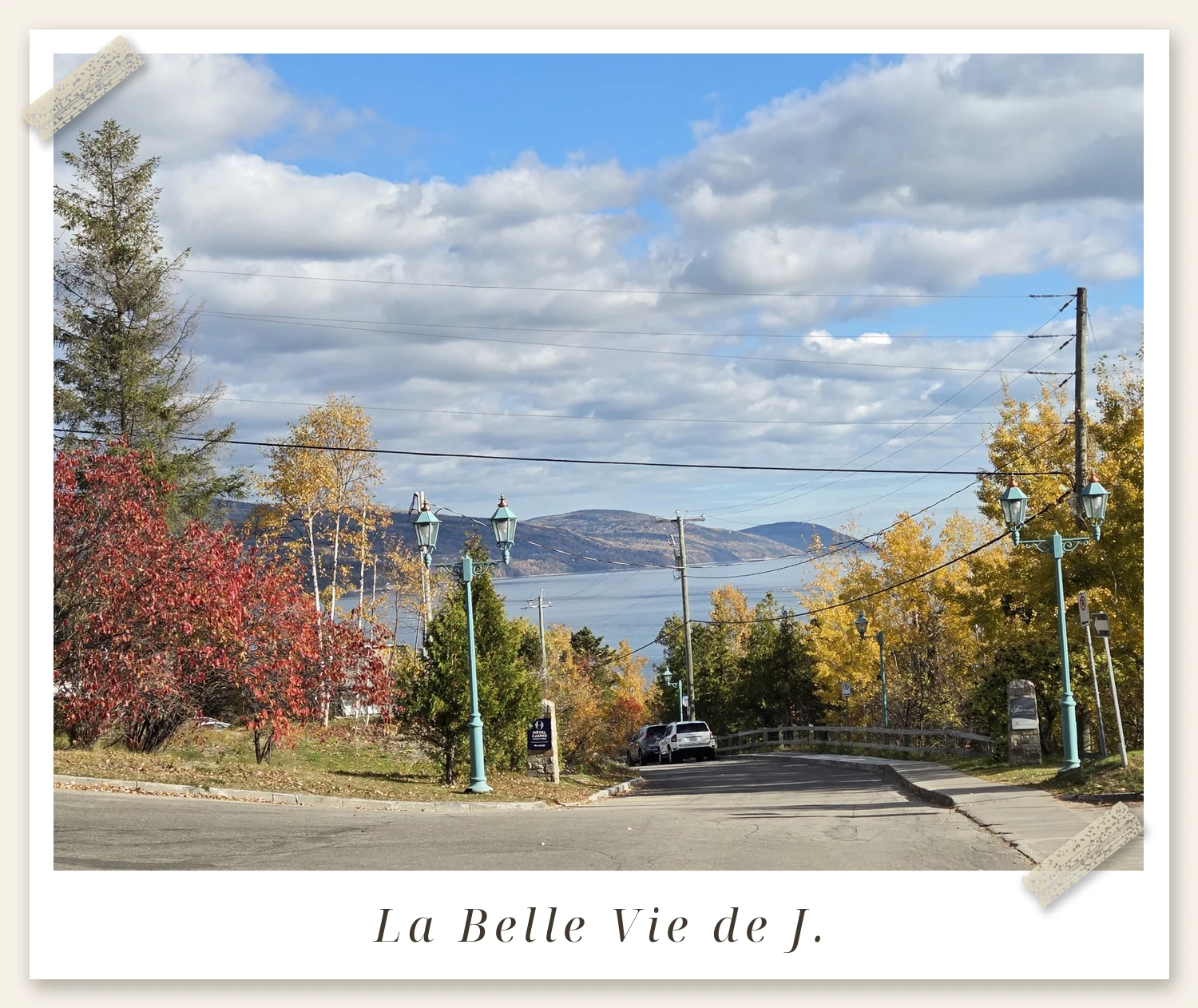
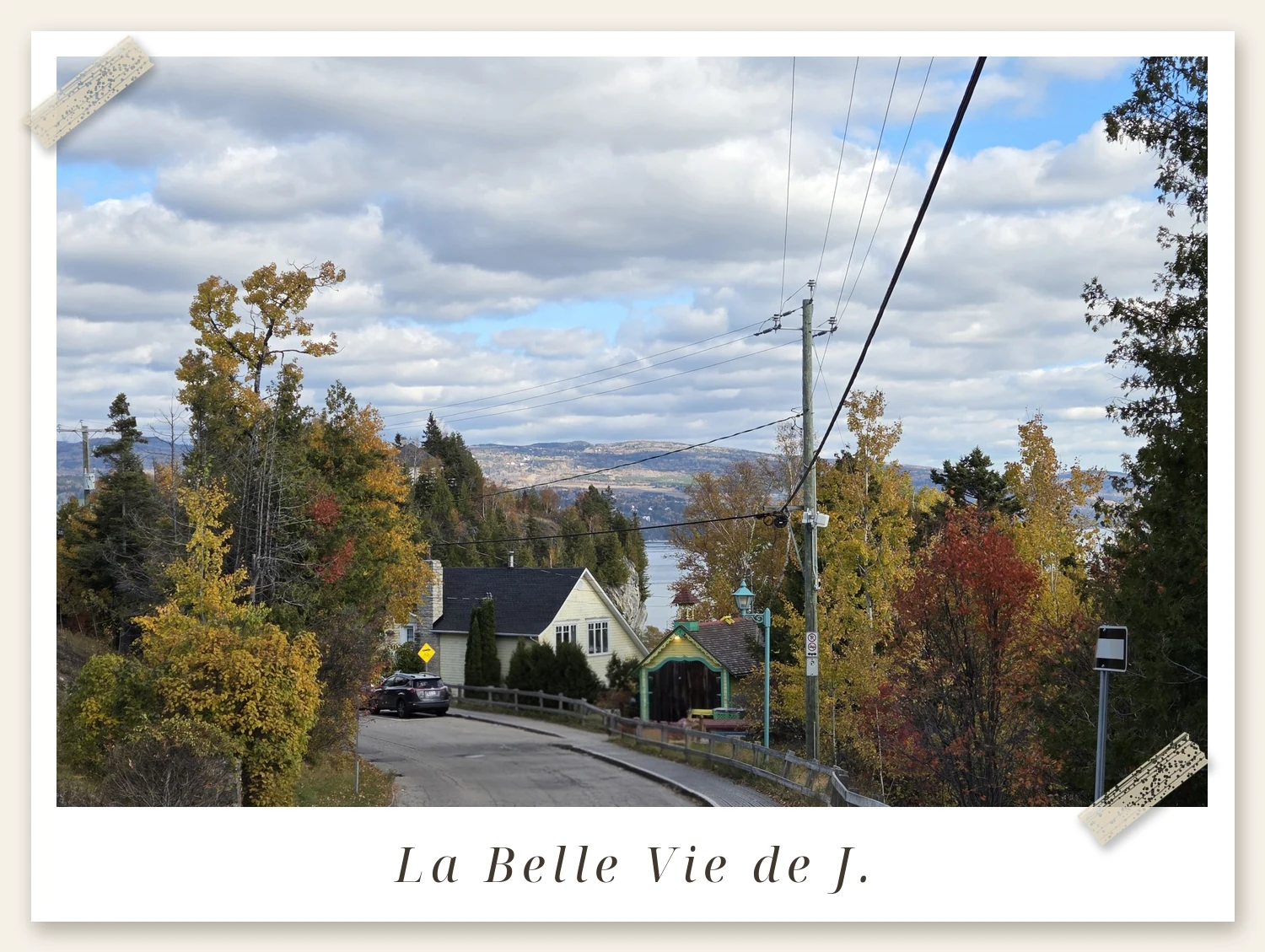
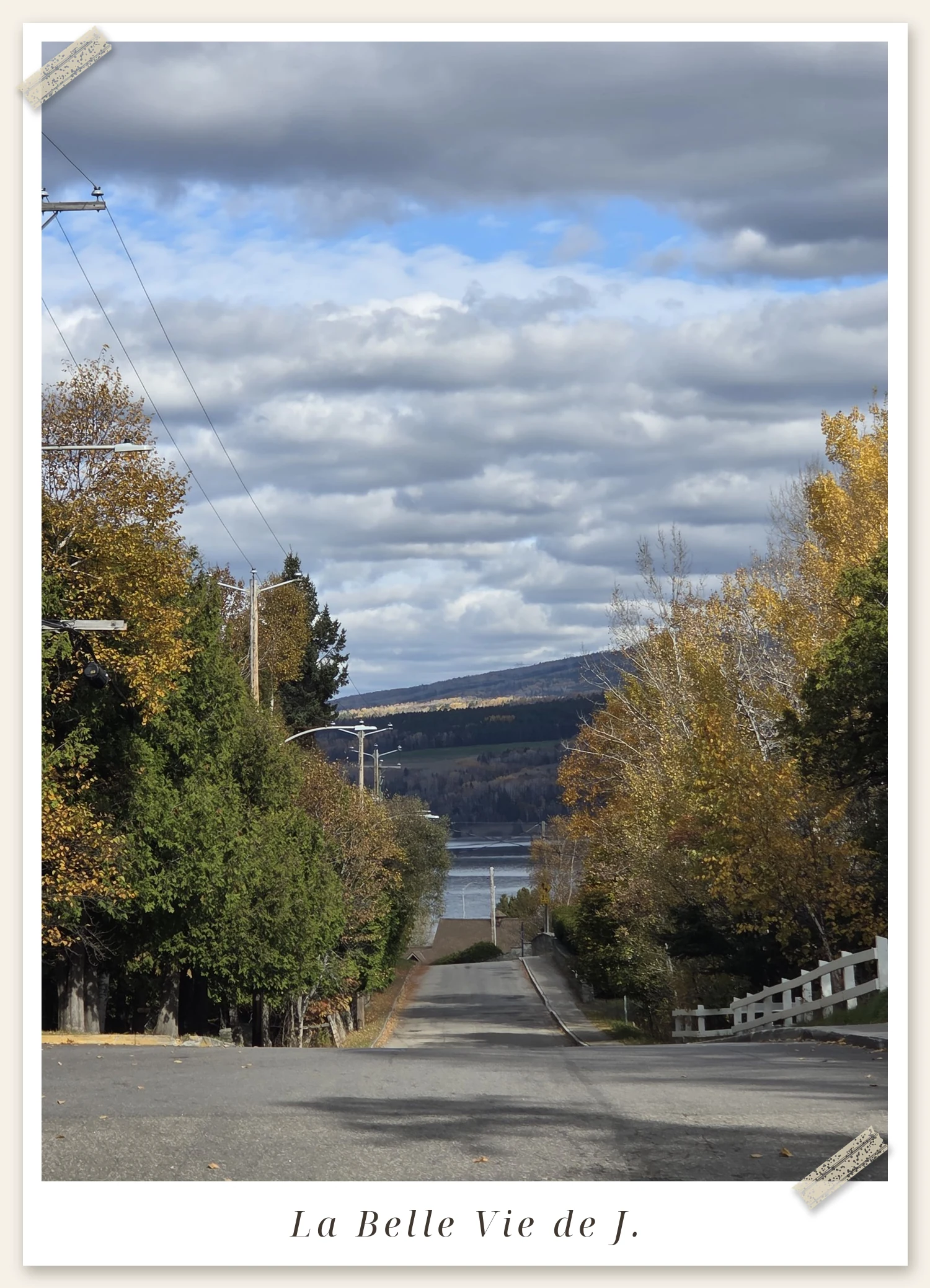
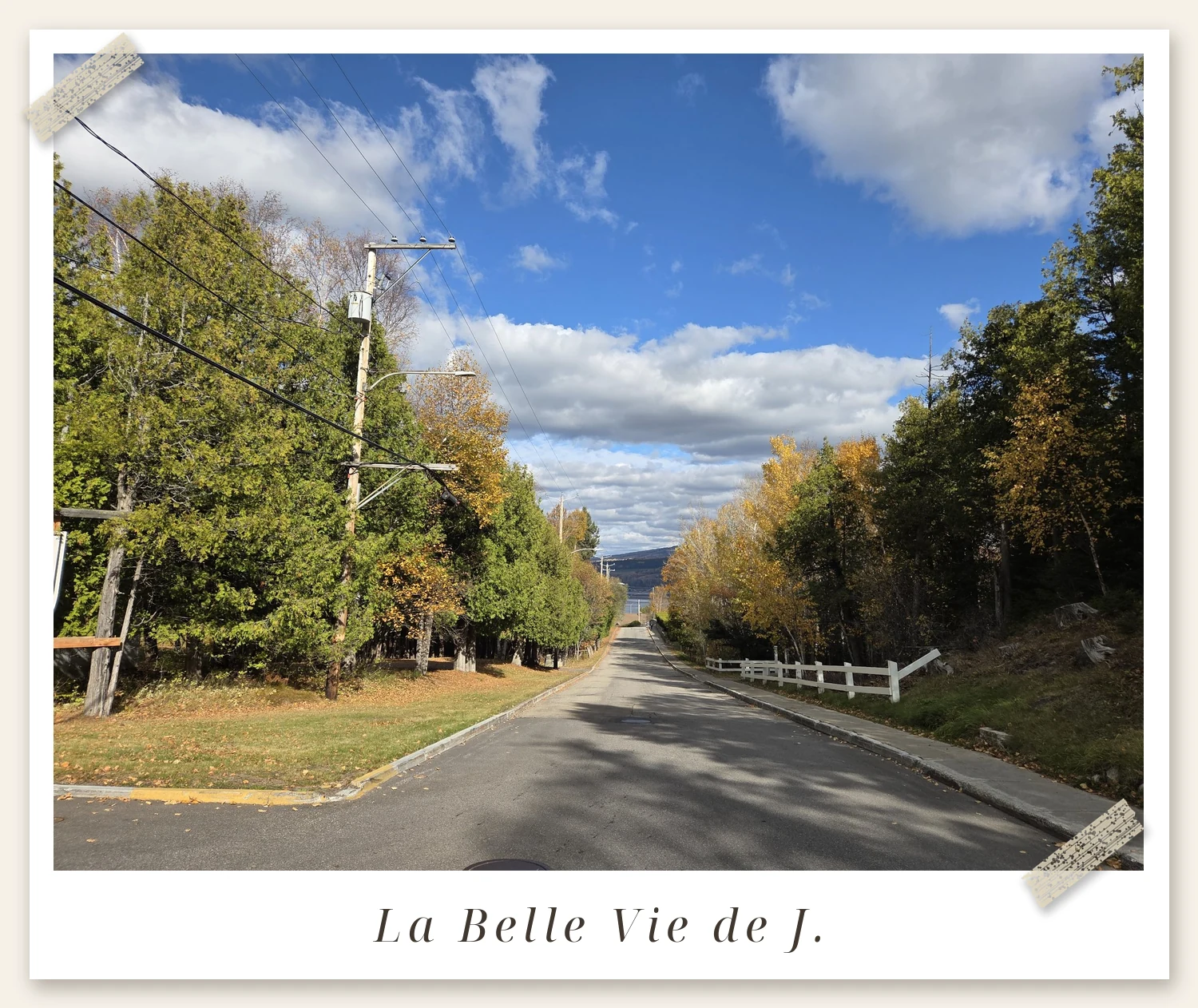
However you arrive in Pointe-au-Pic, you arrive by going down. From the top of the hill, the road tips you toward the water past the HÔTEL CASINO sign, and the village opens up below you in one long view: rooftops, trees, and the wide grey-blue of the St. Lawrence doing its slow, calm thing. Every street in this village falls toward the river, and every street ends in a view. Walking here means accepting the hills — down is easy and full of anticipation, up is the price you happily pay on the way back.
The village has been receiving walkers for a very long time. Pointe-au-Pic was established as its own municipality in 1876 and drew crowds of summer visitors through the 19th century — even William Howard Taft, a president of the United States, spent summers here. The La Malbaie area is one of Canada’s oldest resort regions, its golden age of villégiature running roughly from 1880 to 1930, and the historic district was designated a National Historic Site of Canada in 2007. Today Pointe-au-Pic is a secteur — a village quarter — of the town of La Malbaie, and its name comes from the rocky point at the mouth of the bay where the Malbaie River meets the St. Lawrence. Up on the hill above the walk, along rue Richelieu, the Fairmont Le Manoir Richelieu (181) and the Casino de Charlevoix (183) stand side by side, watching over the village and the river below. If you are driving the Charlevoix coast, this is the stop I keep coming back to — I wrote about that drive here: the full drive, stop by stop. View on Google Maps View on Google Maps
Village lanes and a pink snack bar
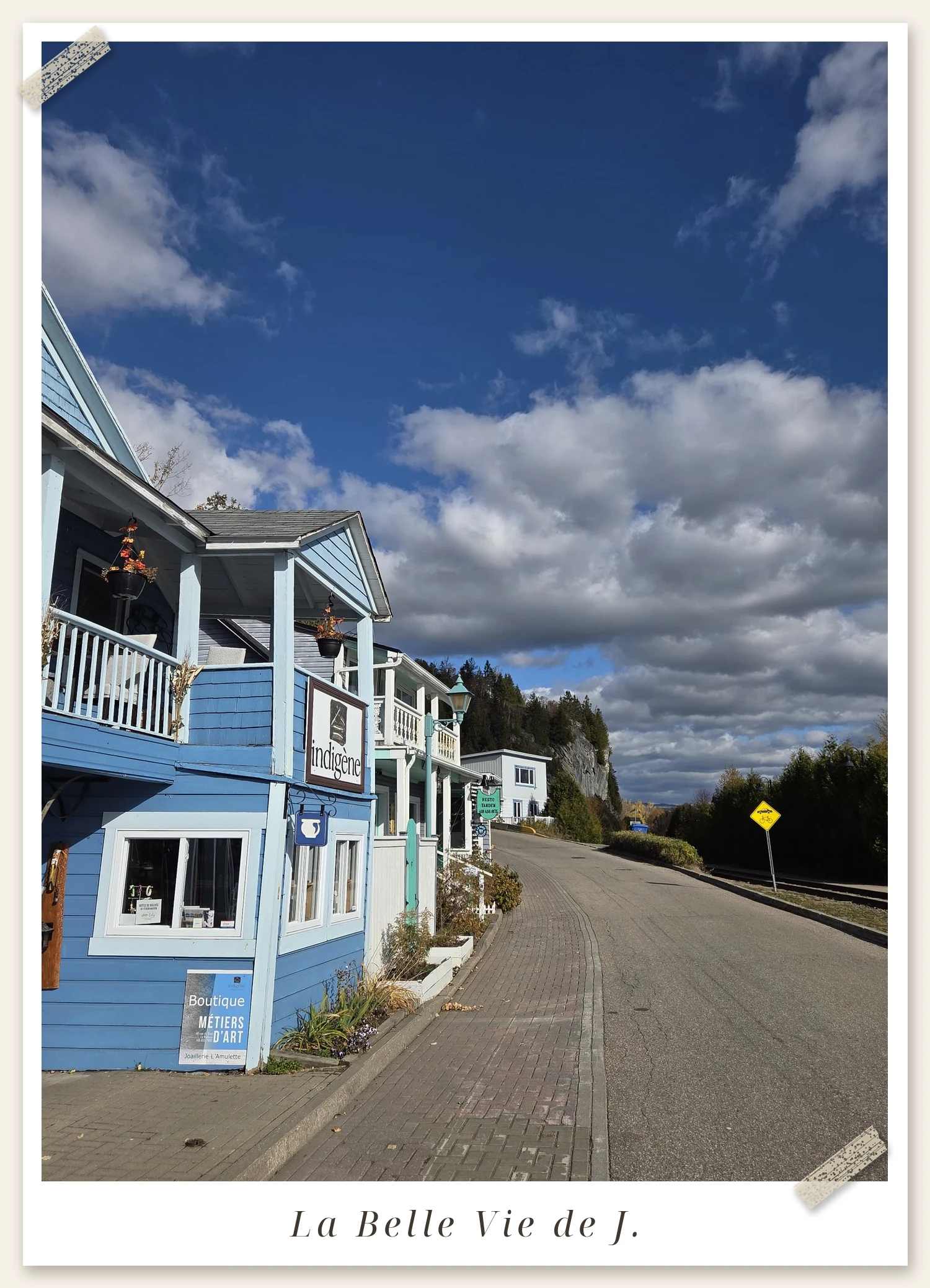
Down at river level, the village turns small and friendly. The lanes narrow, the houses sit close to the street, and the shops are the kind you wander into without a plan — little boutiques along a quiet street, made for exactly the sort of slow morning I was having. Pointe-au-Pic was built for summer people, and it still carries that holiday softness in its streets: nobody here is in a hurry, and after ten minutes, neither are you.
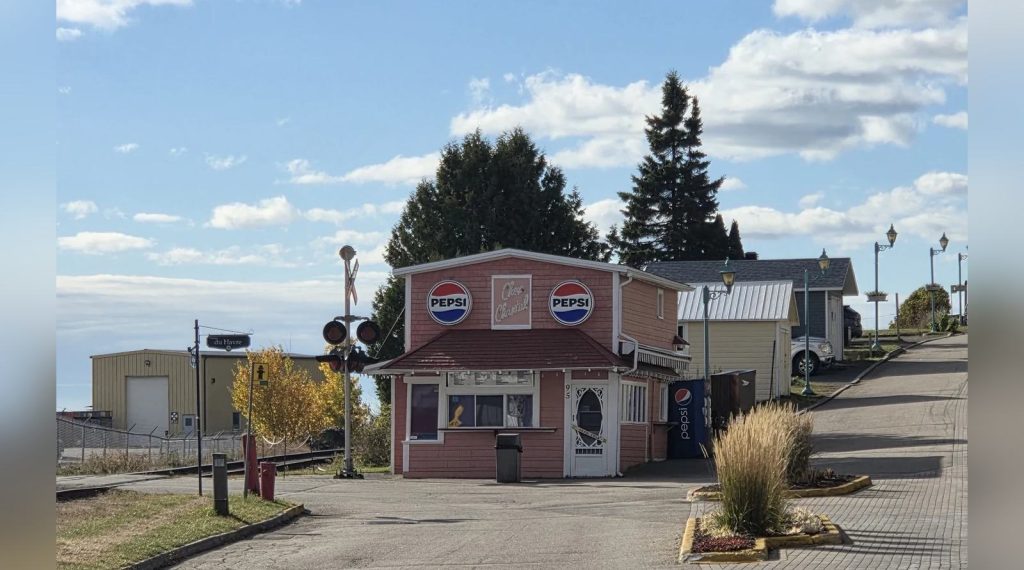
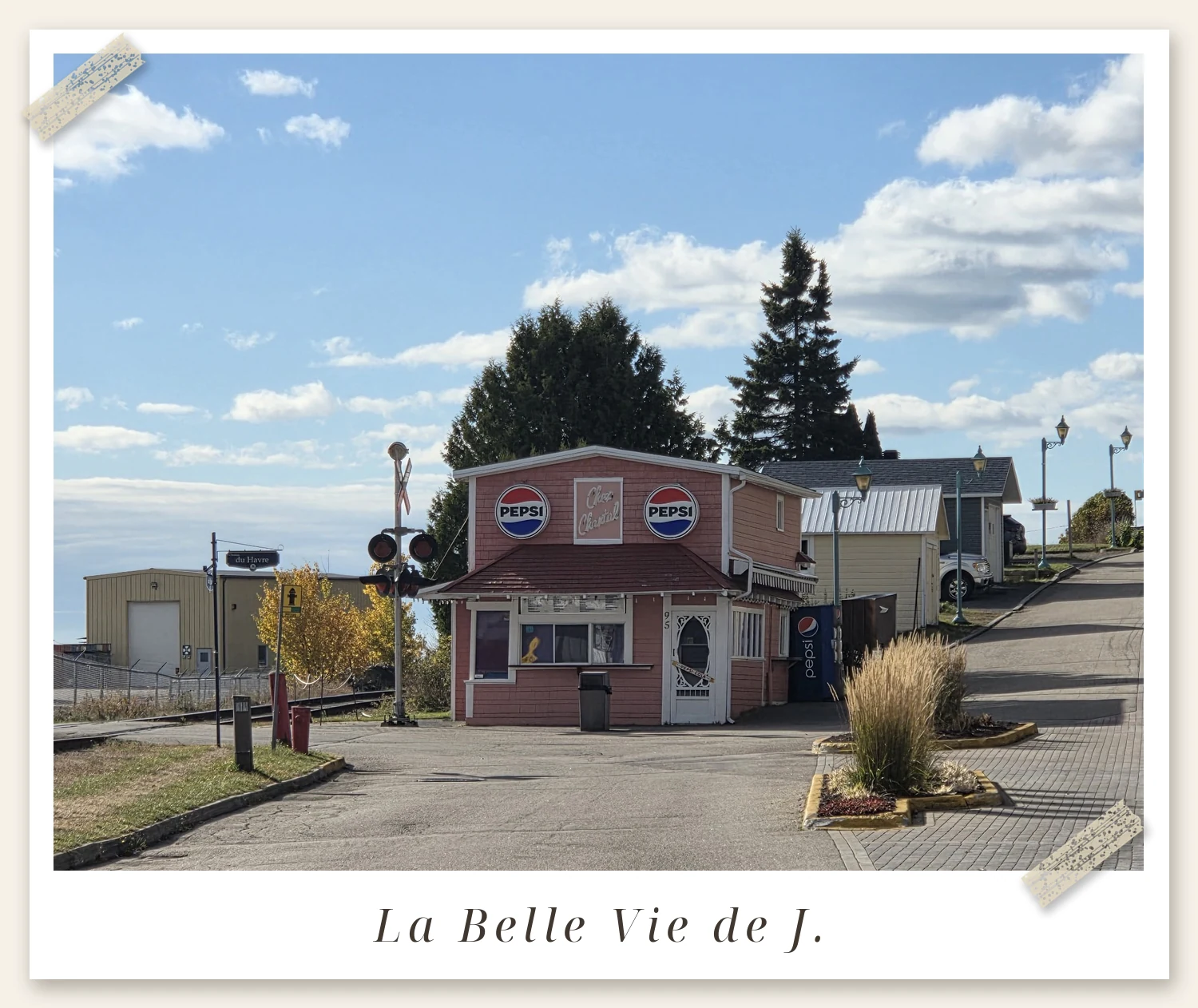
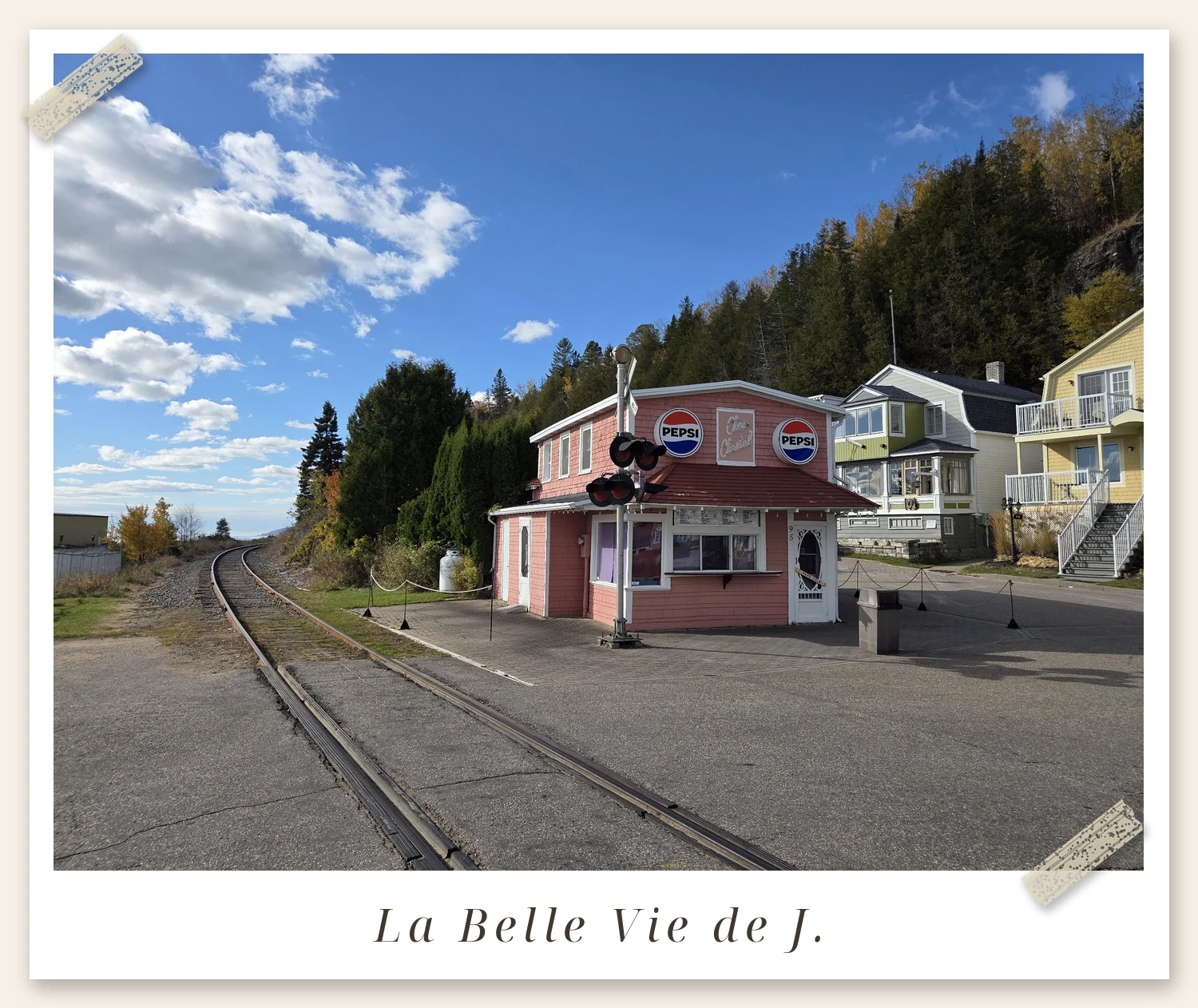
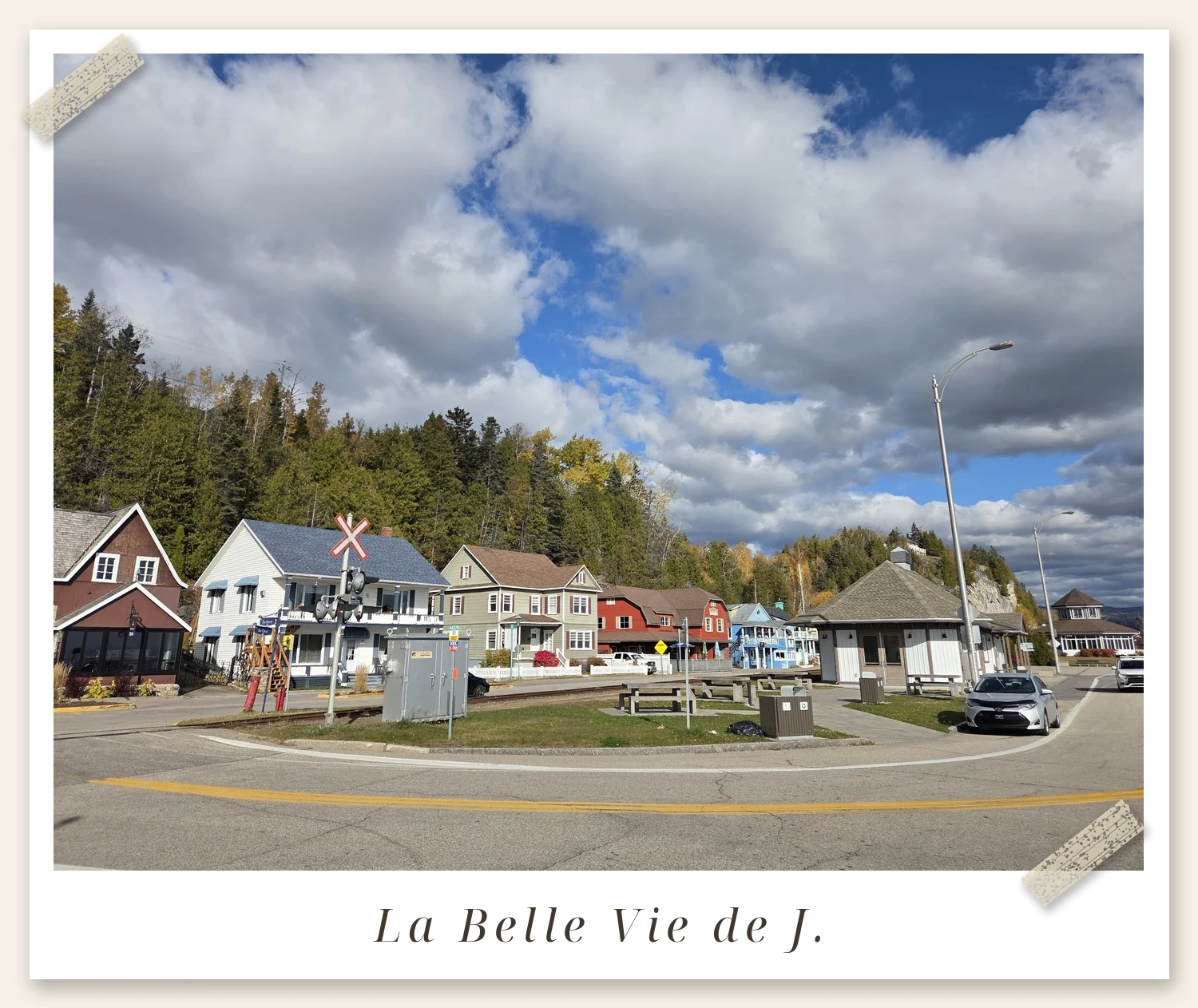
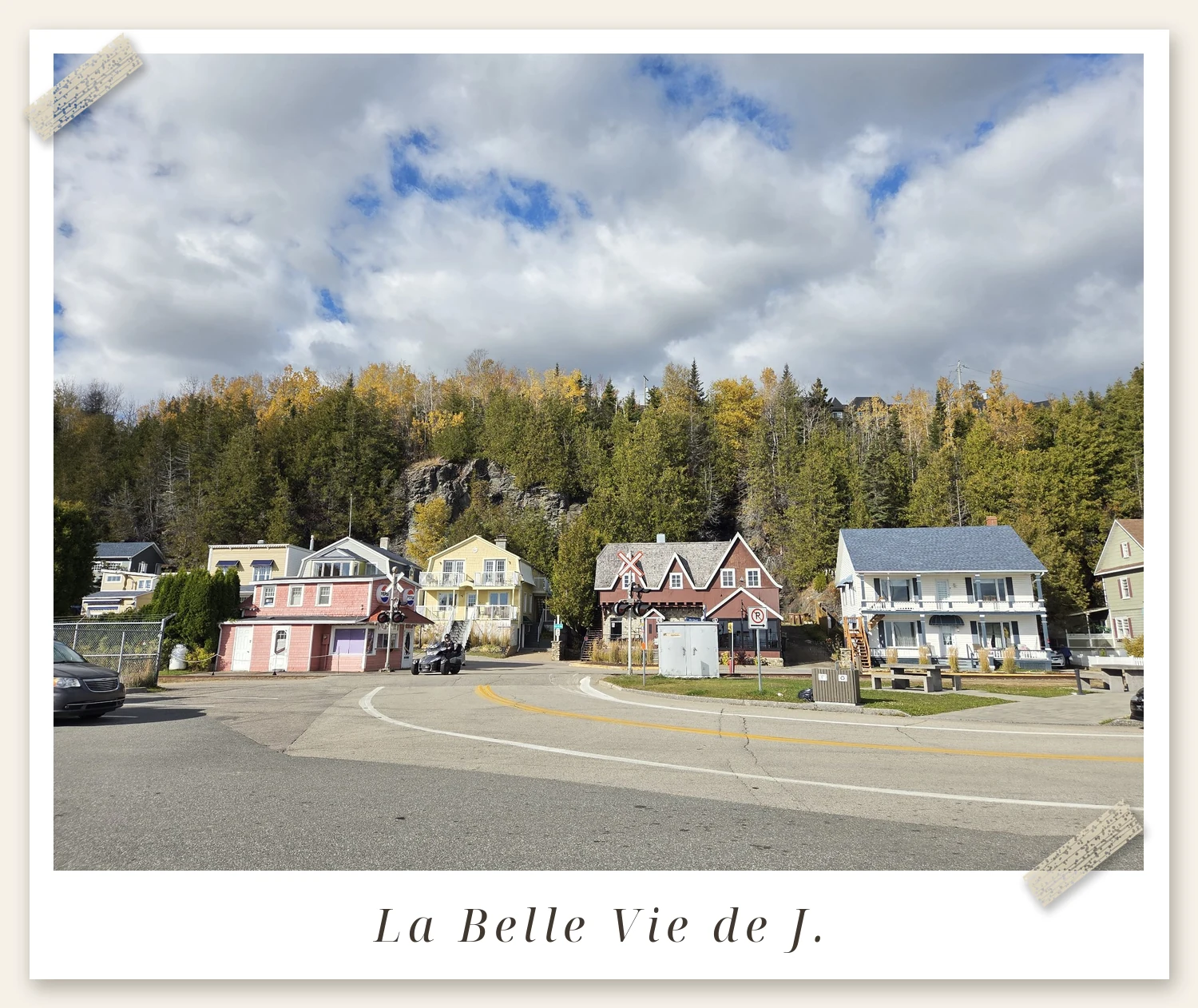
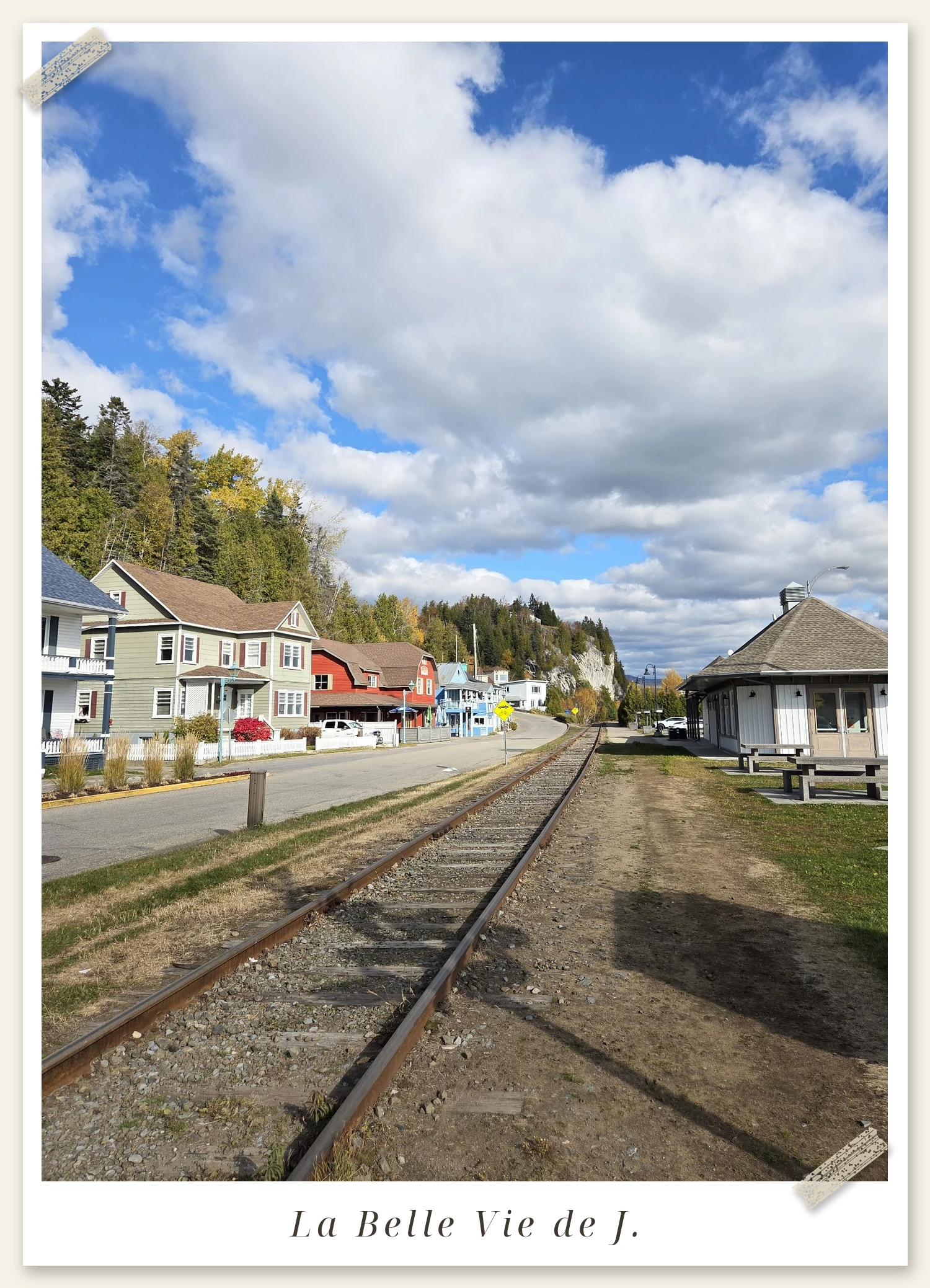
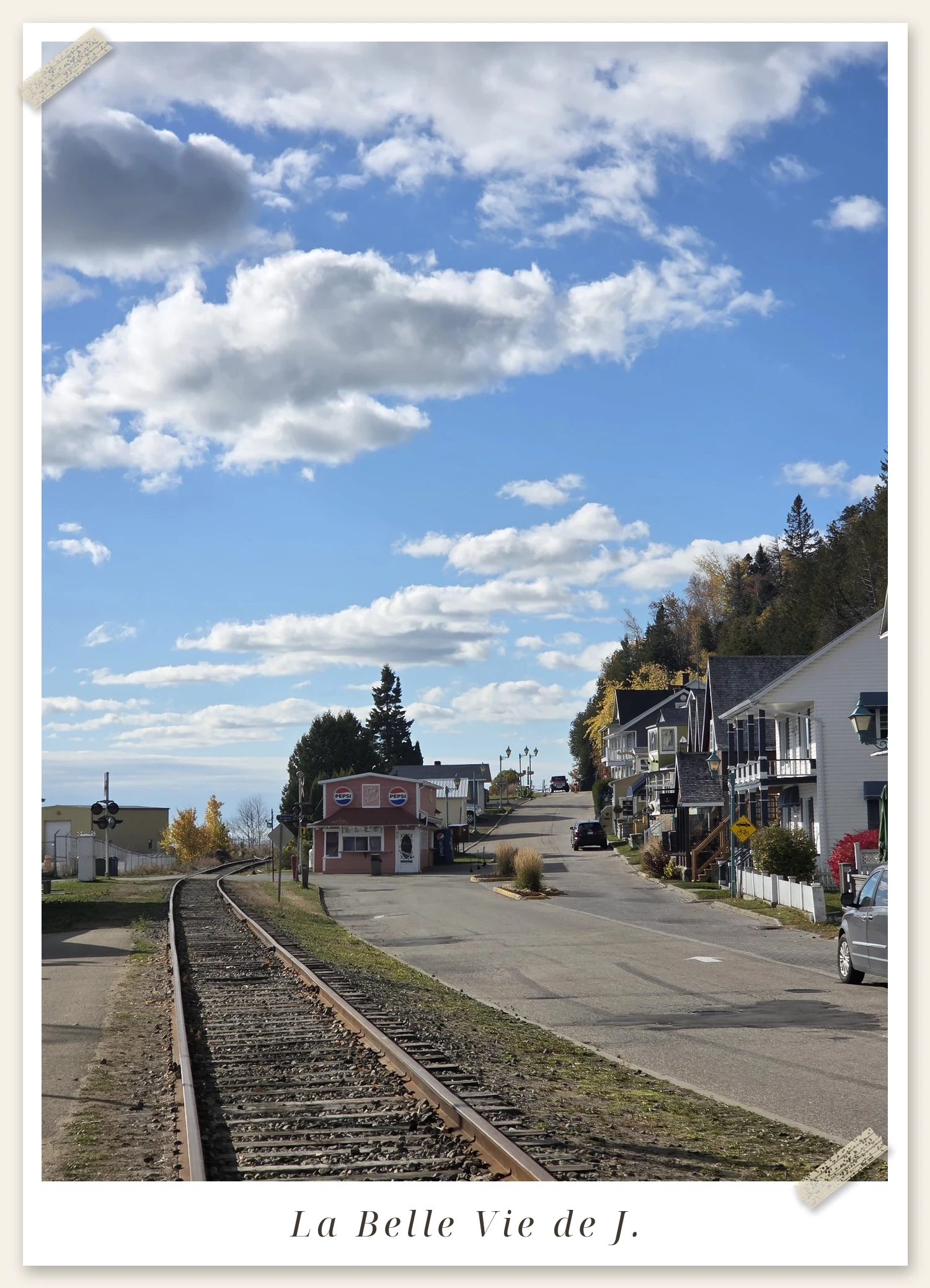
And then there is the village’s most cheerful landmark: Chez Chantal, at 95, rue du Quai, a pink casse-croûte and ice-cream bar — a bar laitier — sitting right on the edge of the river, with a vintage Pepsi sign you can spot long before you reach it. This is the corner where the railway, the street and the snack bar all meet, and the pink building holds its own against all of it. Chez Chantal is known for its guédille au homard — a proper lobster roll — and its lobster poutine, made with cheese curds from St-Fidèle, alongside homemade fries, fresh beef burgers and soft ice cream. It is, in other words, exactly the lunch a riverside walk deserves, and the colourful panorama of the village around it — level crossing, painted houses, picnic tables under the hill — is the view you get while you decide what to order. View on Google Maps
The little harbour
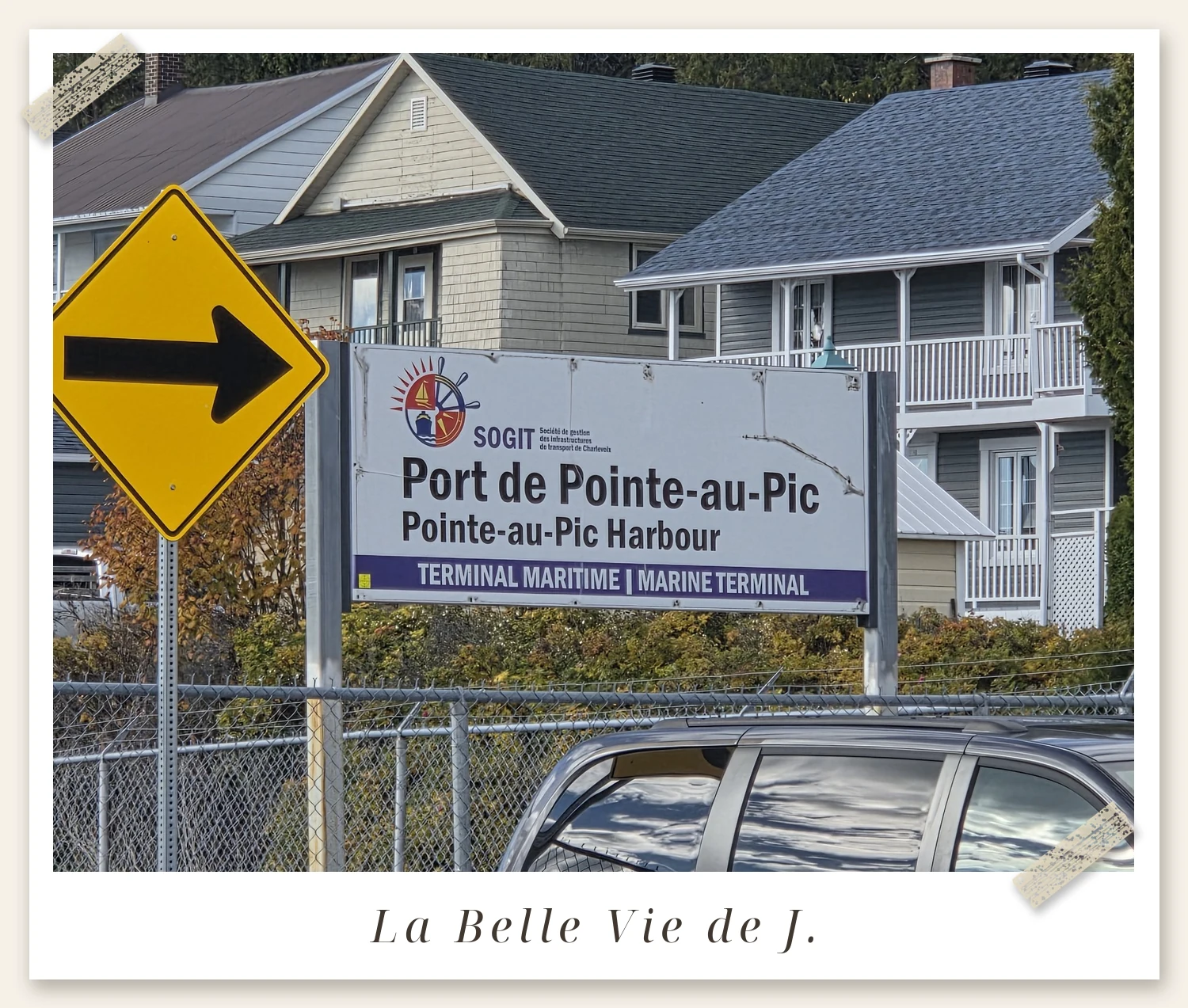
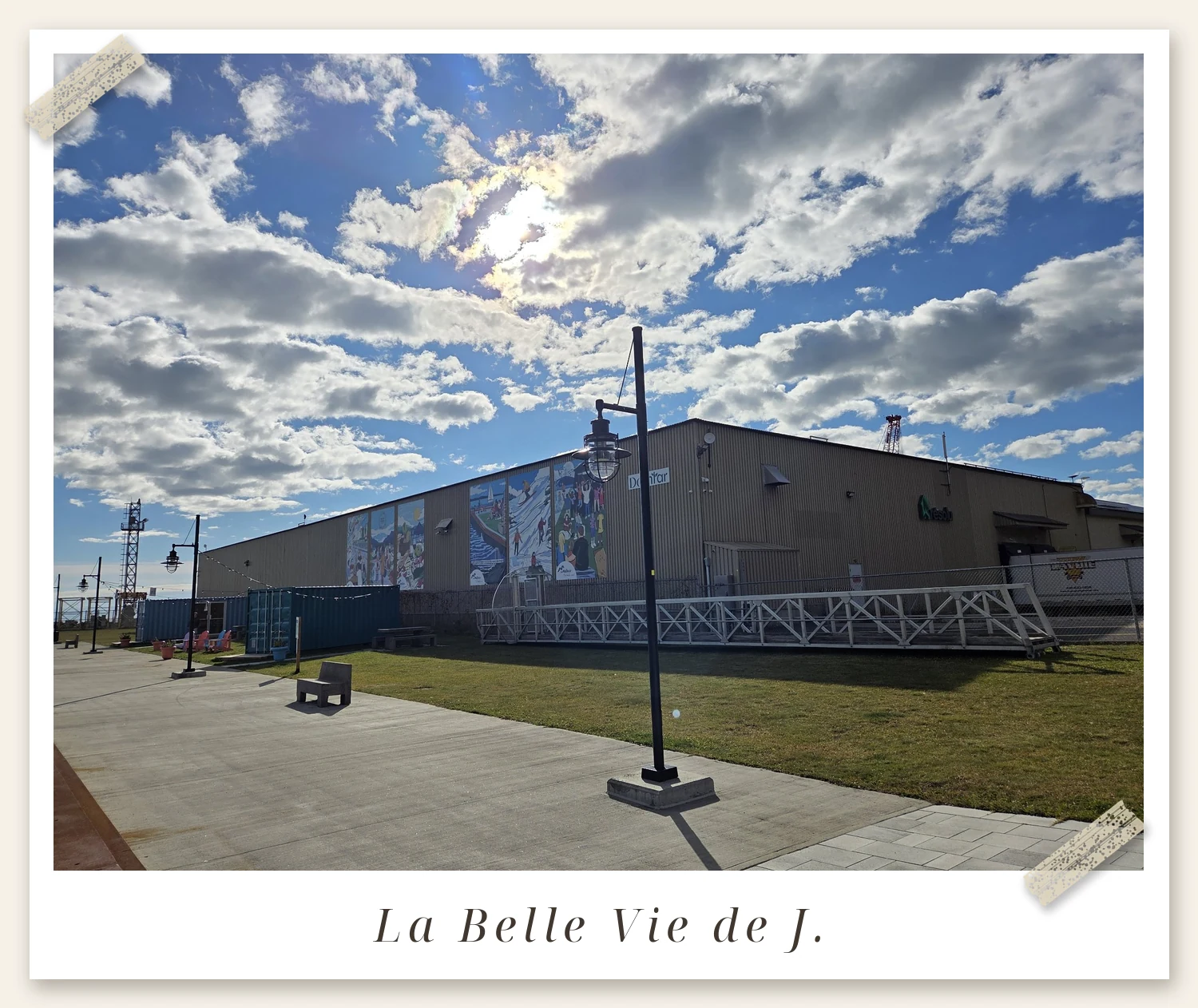
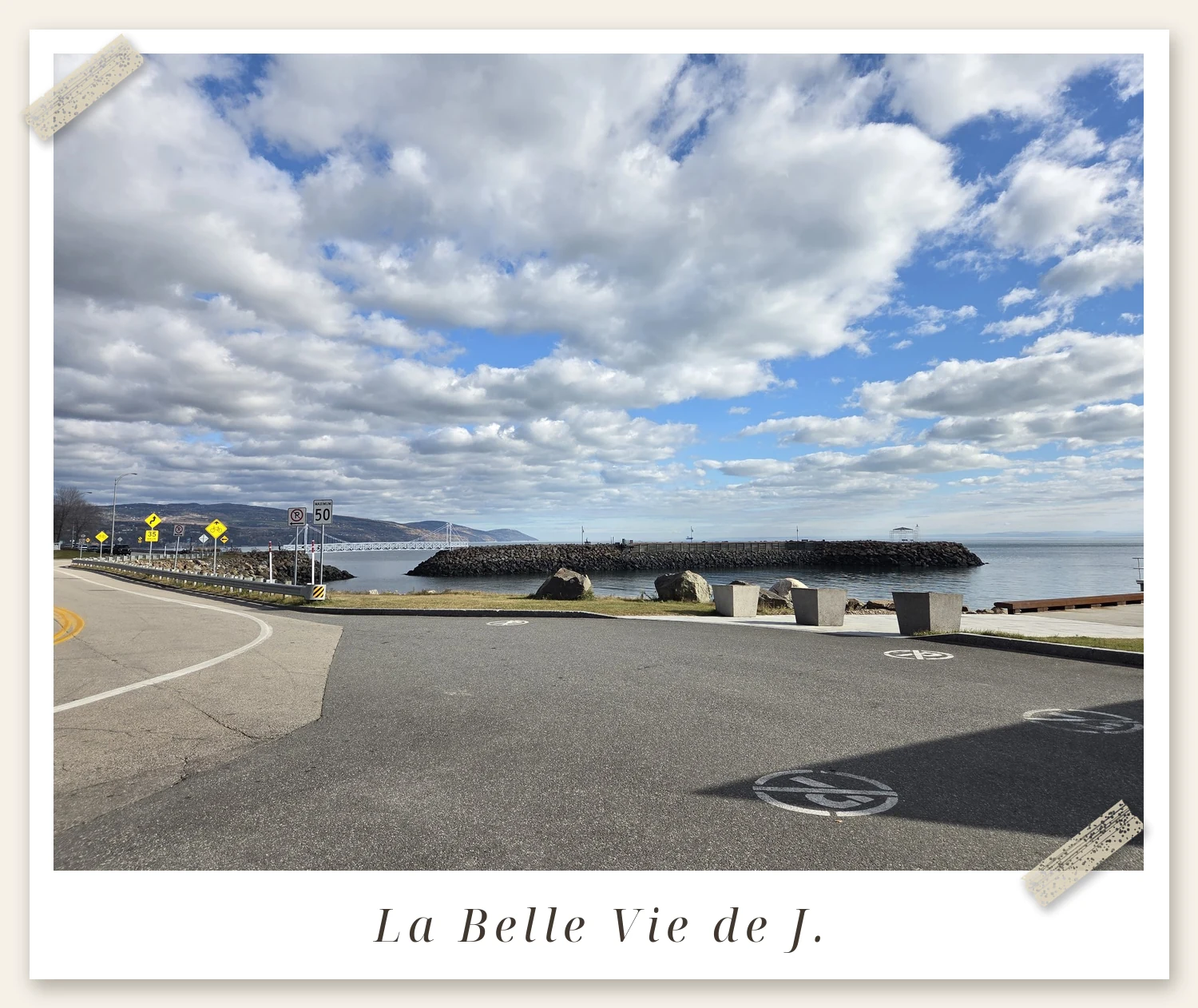
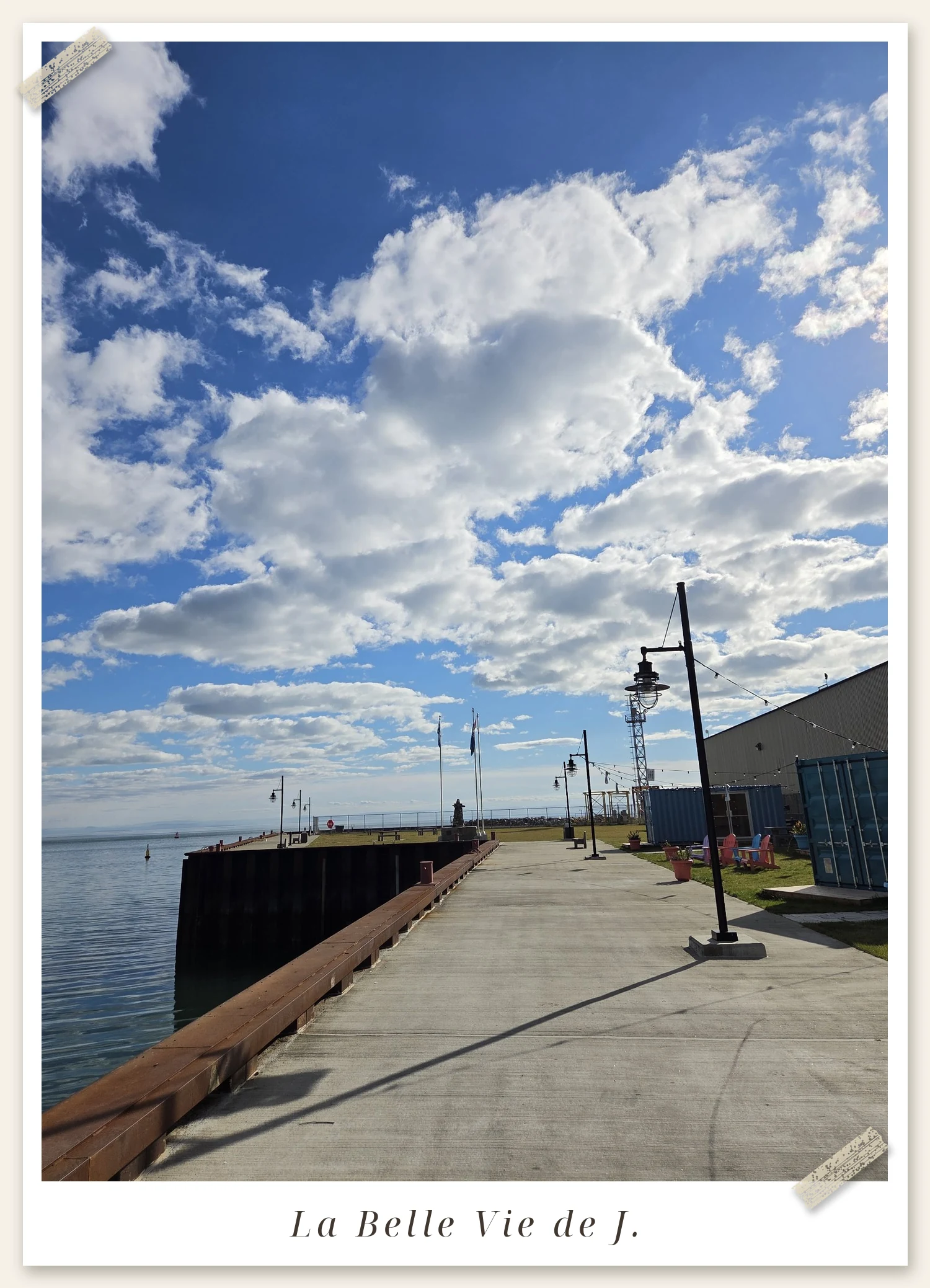
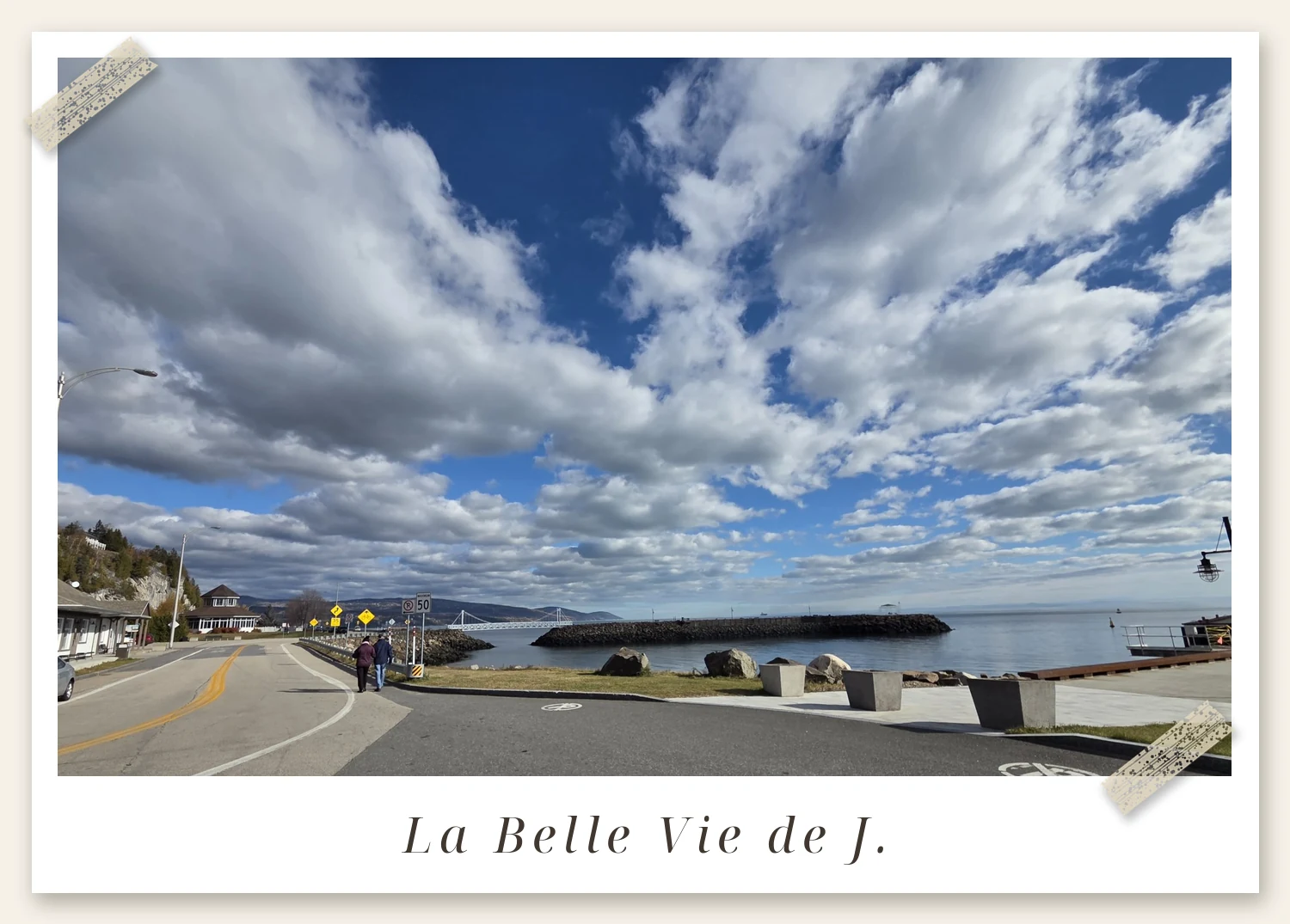
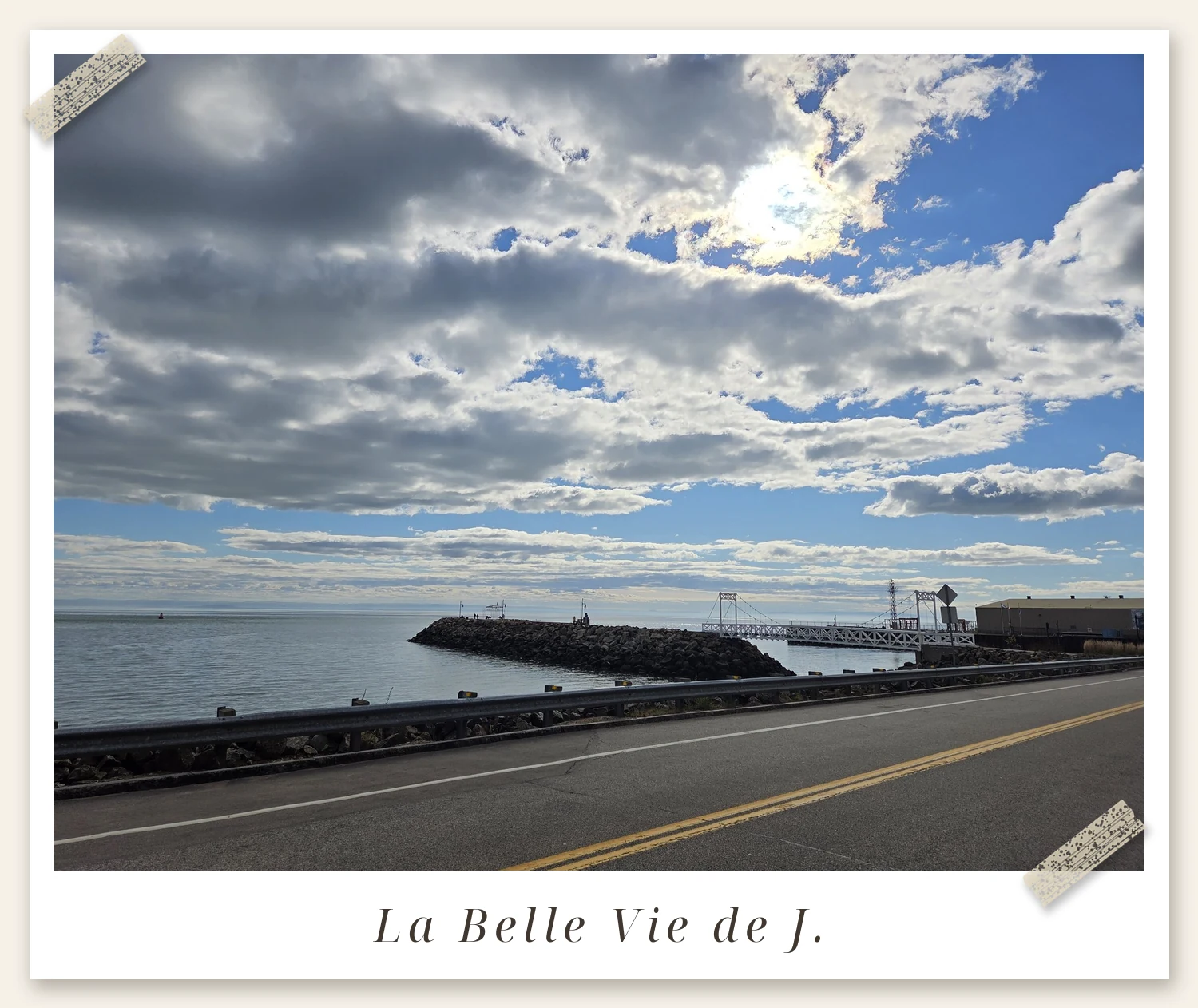
Keep walking along the water and you reach the Port de Pointe-au-Pic, the village’s small harbour, managed by SOGIT, the Charlevoix transport infrastructure corporation. On paper this is serious infrastructure — the port is listed as a cruise ship terminal — but on foot, on a quiet morning, it feels like the village’s front porch. The long terminal building wears a wall of colourful murals, and the whole place is arranged for lingering rather than working.
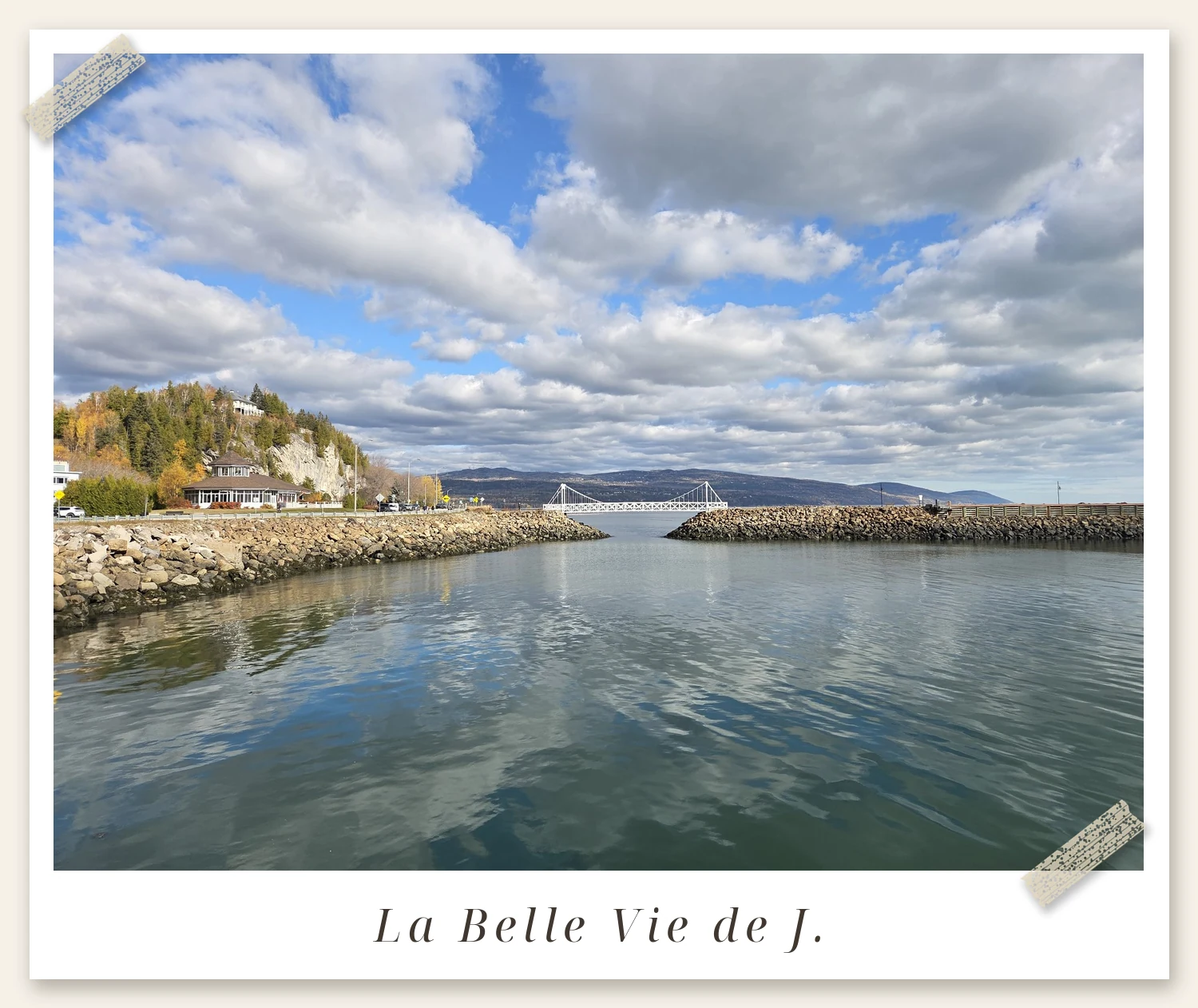
The harbour’s prettiest feature is its jetée — the white pier walkway the town lists as La jetée de Pointe-au-Pic, at 100, chemin du Havre. From the shore, the stone breakwater reaches out into the river and the white footbridge crosses to it, so you can walk out over the water and look back at the village the way arriving boats must have seen it a century ago: the pavilion, the rooftops, the hill. I never skip this part. Standing at the harbour mouth, with breakwaters on both sides and the St. Lawrence opening out in front of you, is when the scale of the river really lands — this village is small, and the water it sits beside is enormous. View on Google Maps
The station, the rails and the great cliff
Pointe-au-Pic has a third way of arriving, and it might be the most romantic: the Train de Charlevoix, which runs along the shore of the St. Lawrence from Québec City to La Malbaie in season, from spring to autumn. Its La Malbaie station is right here in the Pointe-au-Pic sector, beside the Café de la Gare at 100, chemin du Havre — so the train, the harbour and the jetée all share one small pocket of the village. The old station pavilion still stands by the tracks, and the single line threads its way through the village at walking pace.
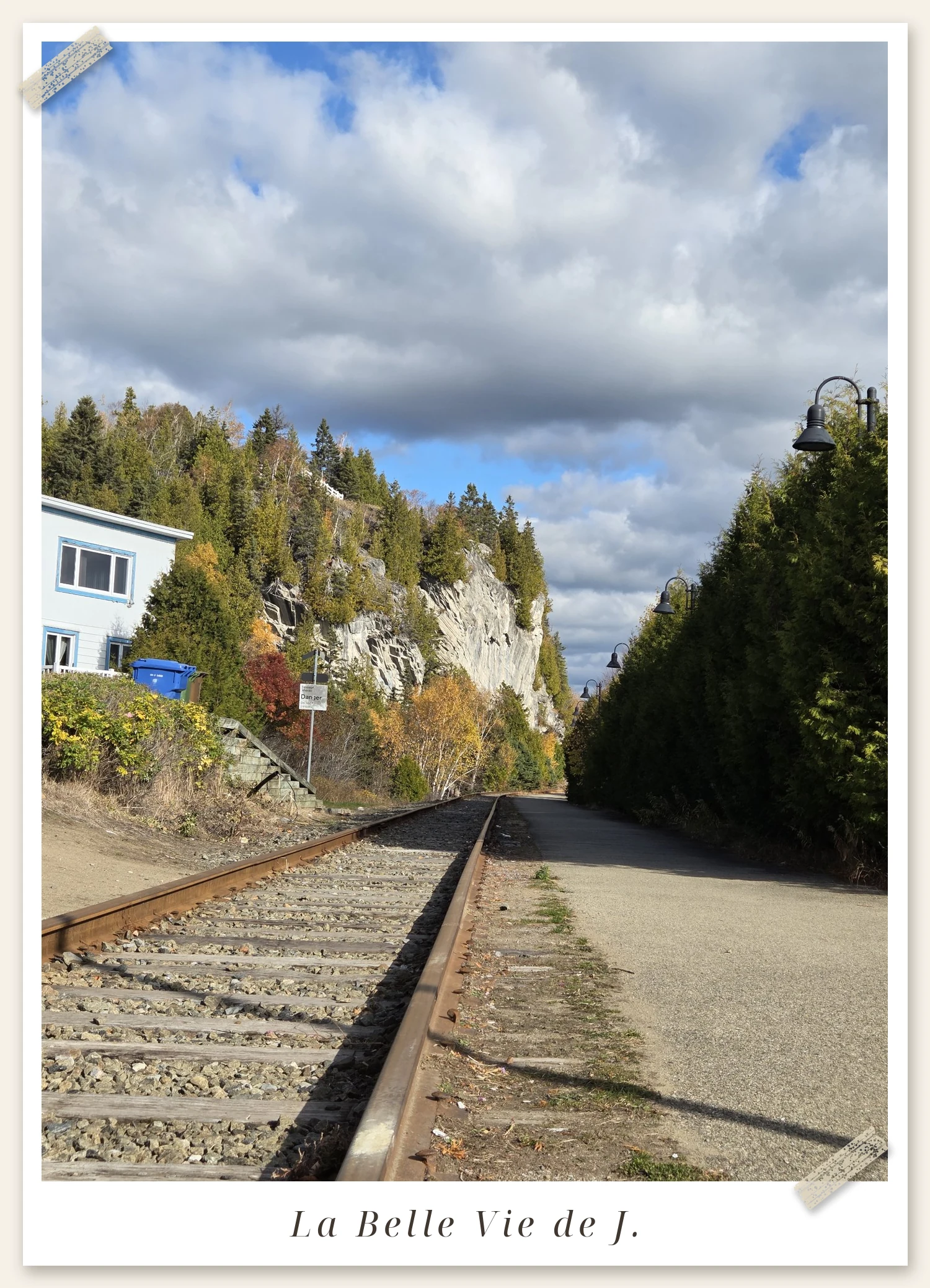
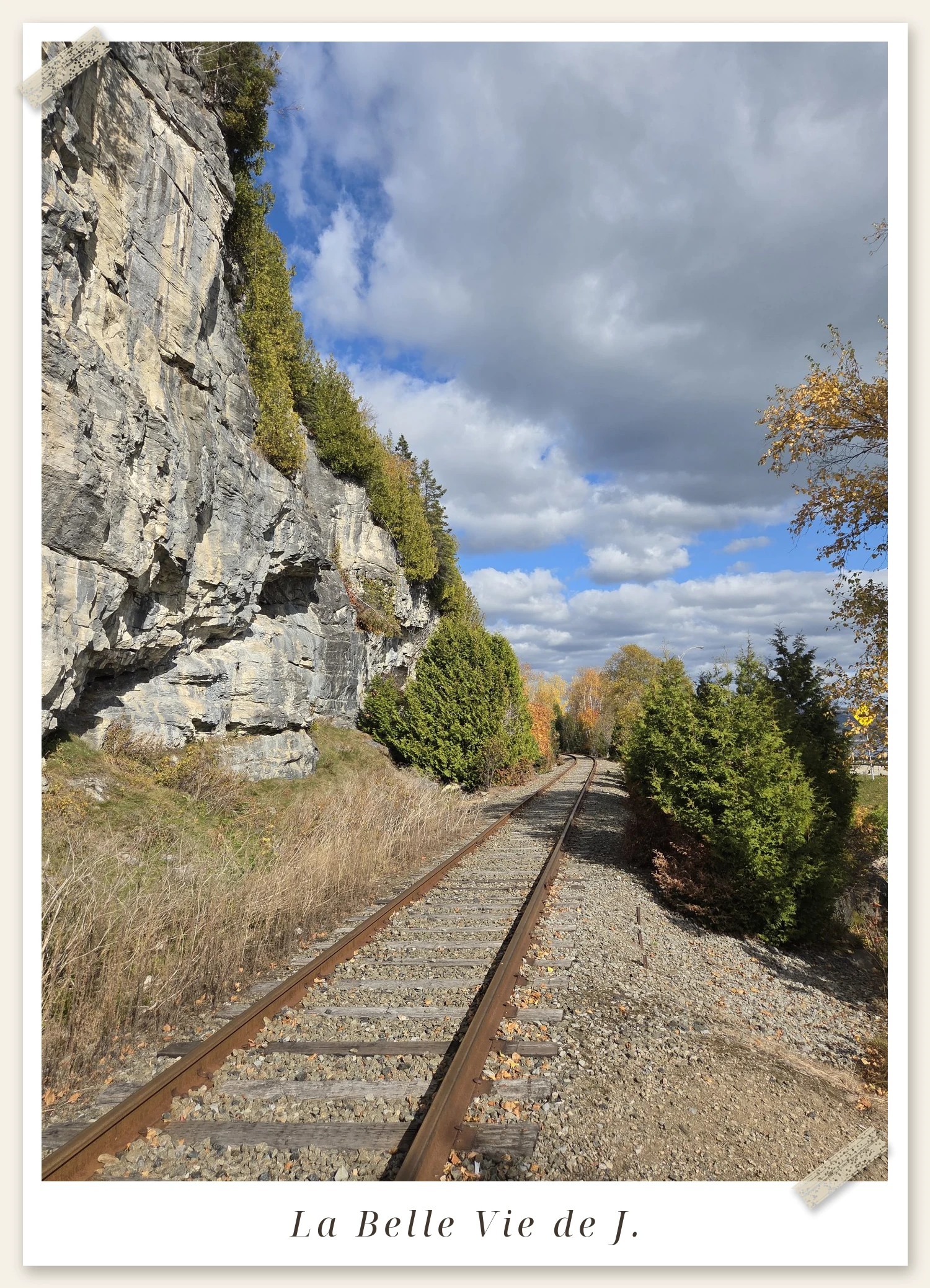
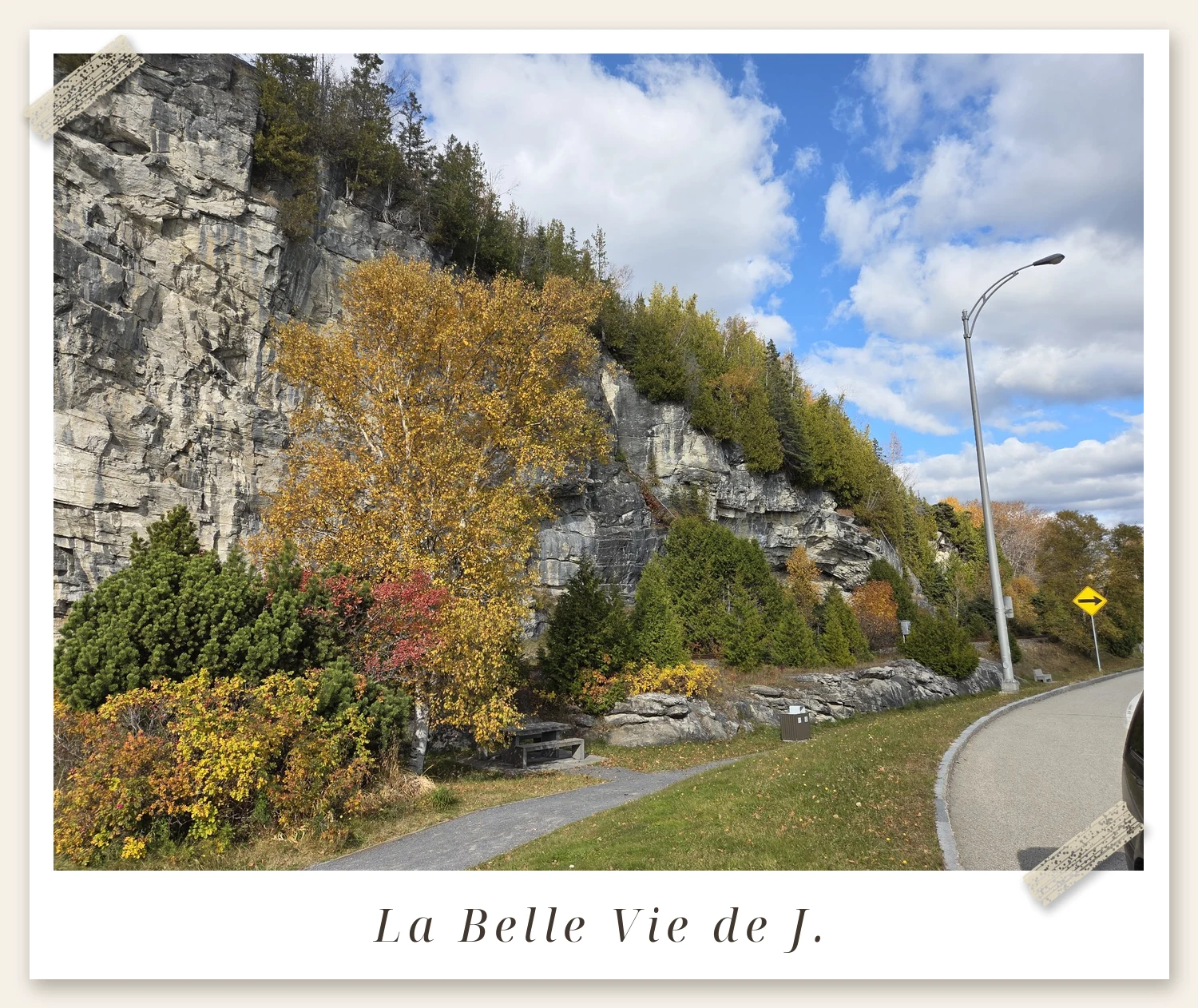
What the train — and the road, and the path — all have to negotiate is the cliff. A great pale wall of rock rises straight out of the village, and everything in Pointe-au-Pic is built in its company: the rails run at its foot, the road curves around it, the trees turn gold against it in autumn. It is the village’s backdrop in almost every direction you look, a reminder that this soft, resort-pretty place is set into genuinely rugged country. I find myself photographing it again and again, and the photos never quite do it justice — which is, I suppose, why I keep coming back.
A museum in a garden
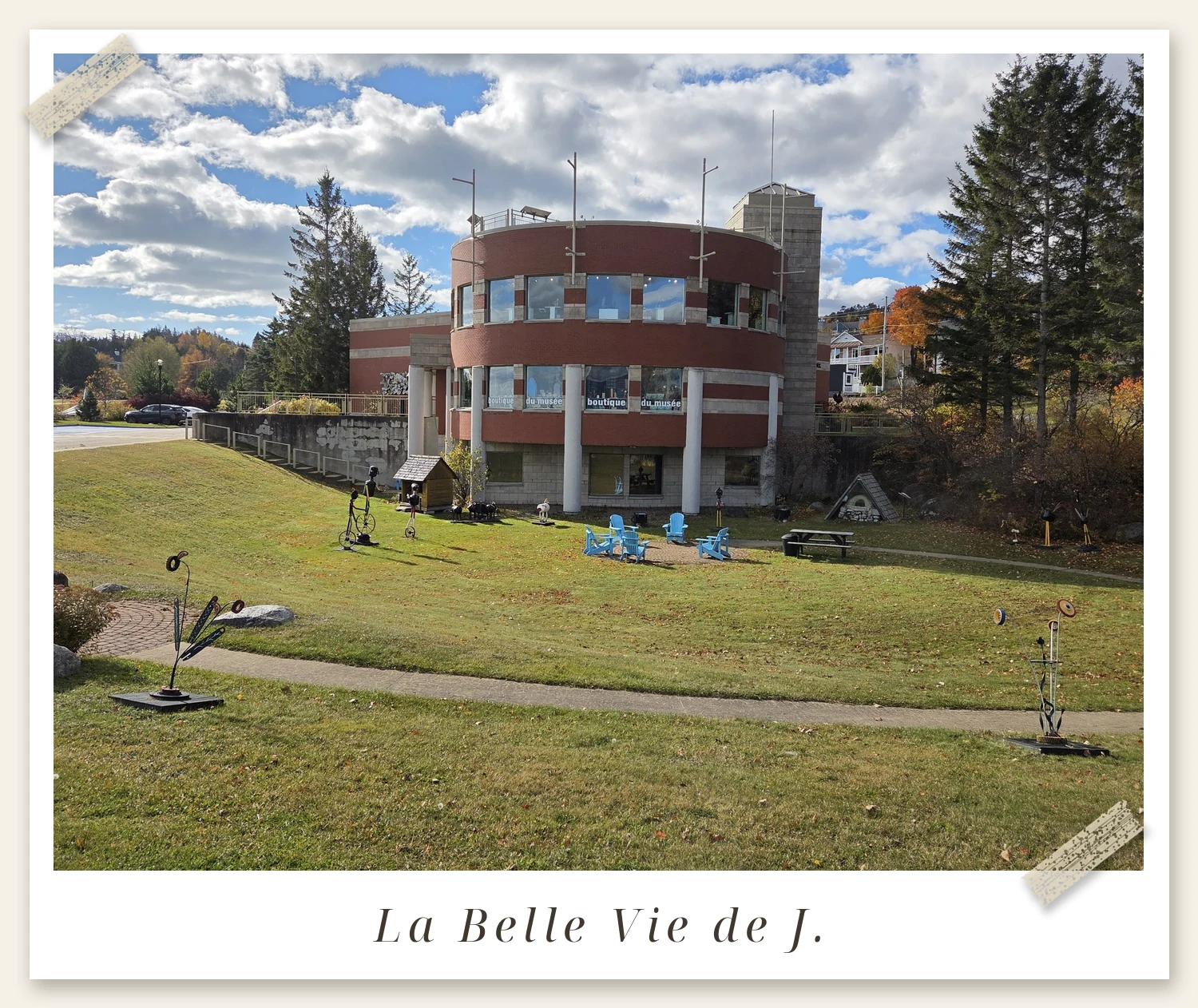
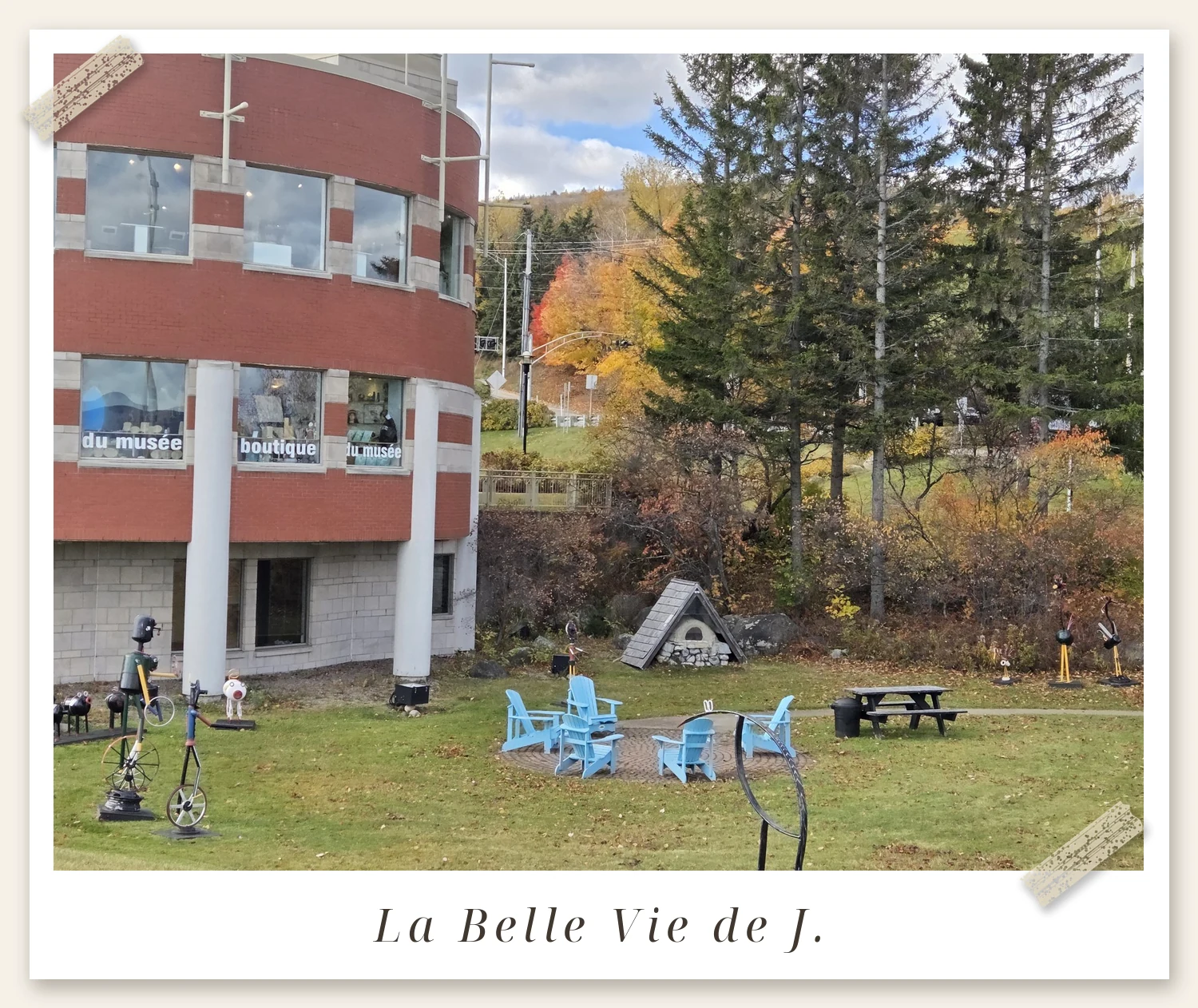
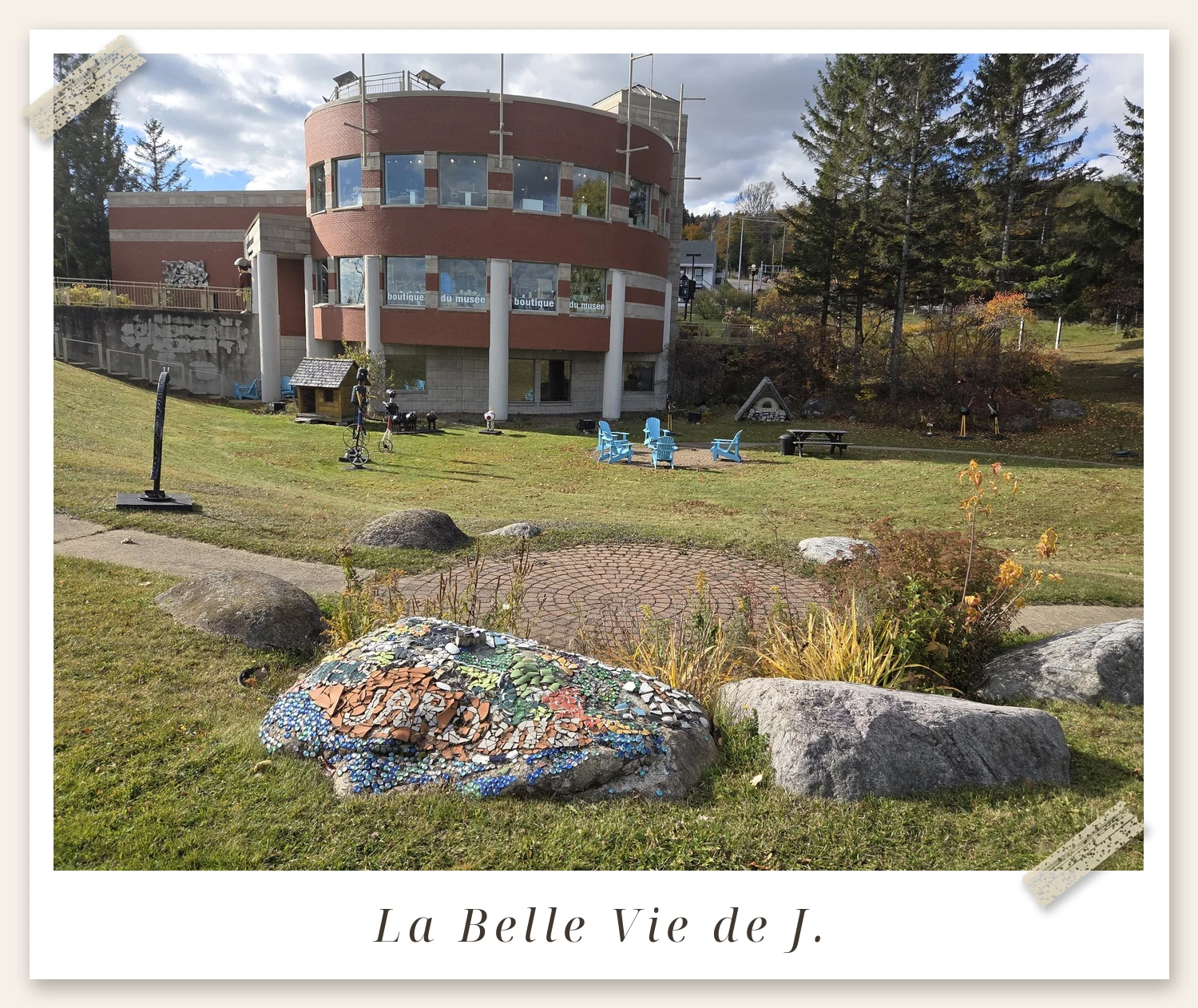
On the chemin du Havre, in the middle of the harbour pocket, stands the Musée de Charlevoix, at 10, chemin du Havre — the region’s museum of Charlevoix history and folk art (art populaire). The building itself is part of the pleasure: a warm red-brick landmark with a curved rotunda, as much a piece of the village scenery as a museum. Check the museum’s official website for current opening details before you plan a visit around it — and whatever the exhibitions inside, leave time for the outside. View on Google Maps
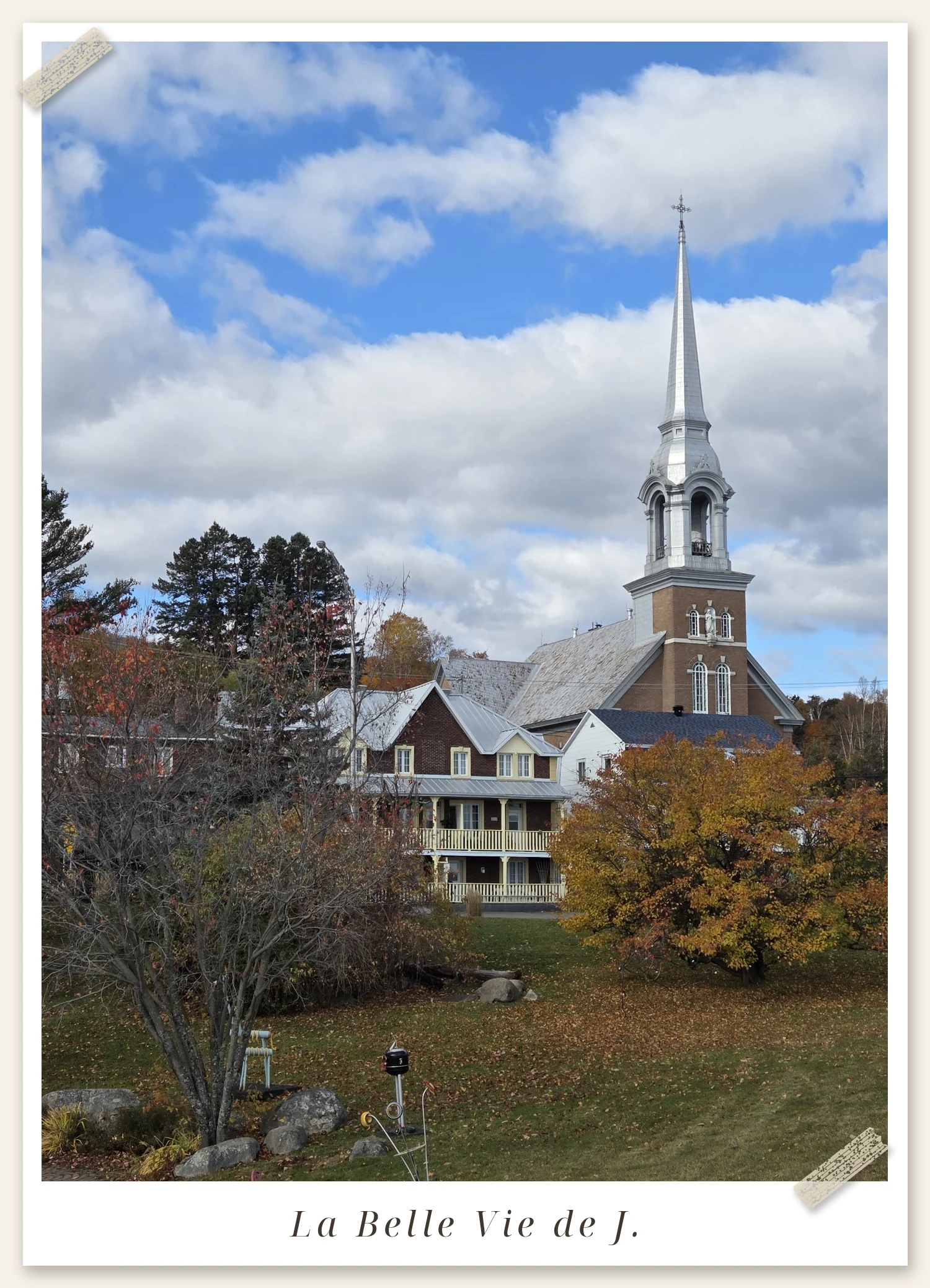
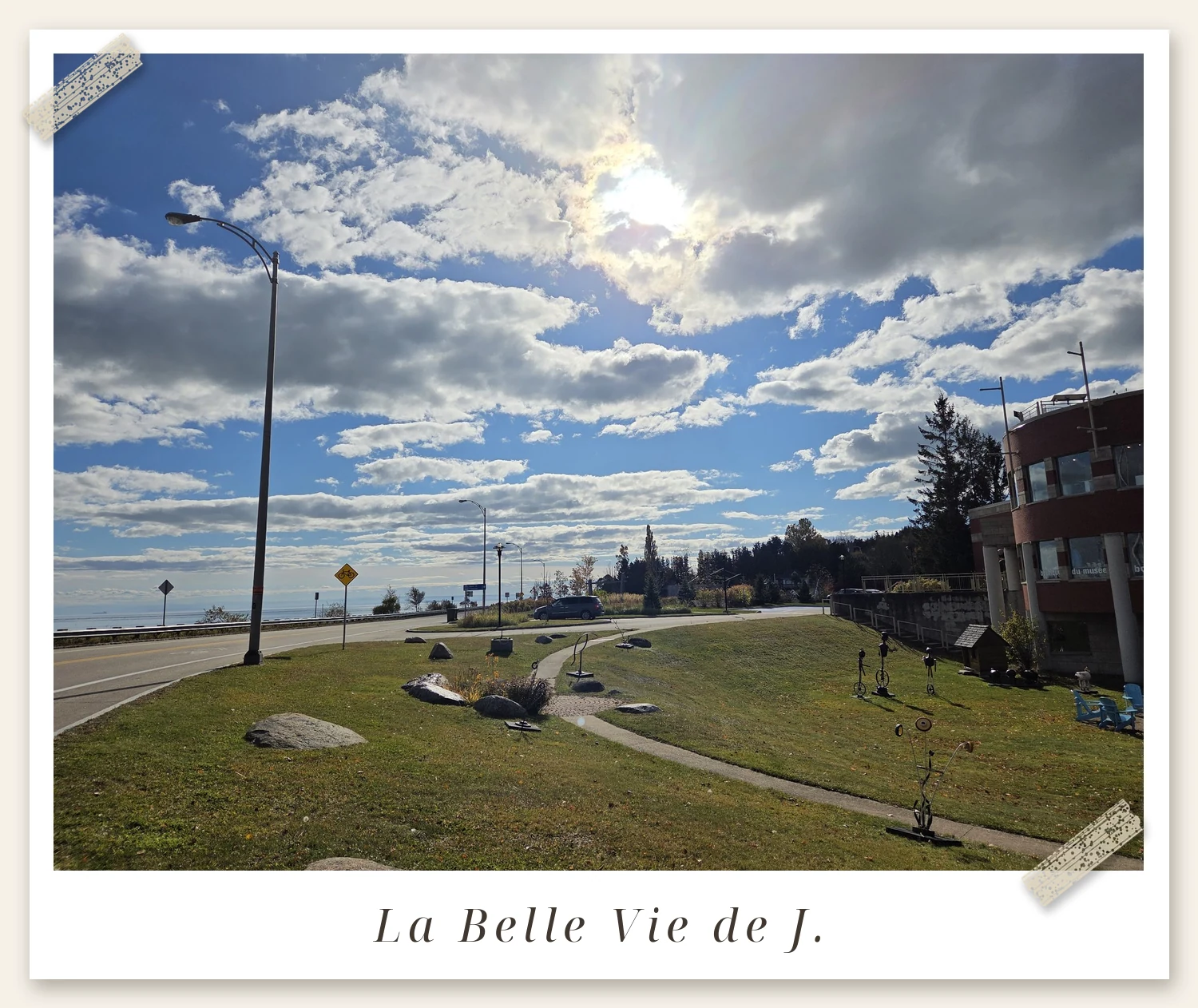
Because the museum’s garden is a gallery of its own. The grounds hold an outdoor display of folk-art works — the museum’s current garden exhibition is called Au Jardin de Germaine — with sculptures scattered among the lawns, a terrace up on the building, and those cheerful blue chairs you see in my photos, waiting for anyone who wants to sit among the art for a while. My favourite piece is the great rock completely covered in bright mosaic, sitting in the garden like a jewel the village decided to keep. From the garden you can also see the village church’s tall silver steeple rising over the trees — I won’t pretend this walk is only about the river. It is about layers: art, history, faith and water, all within a few streets of each other.
The birch park and Cité Mémoire
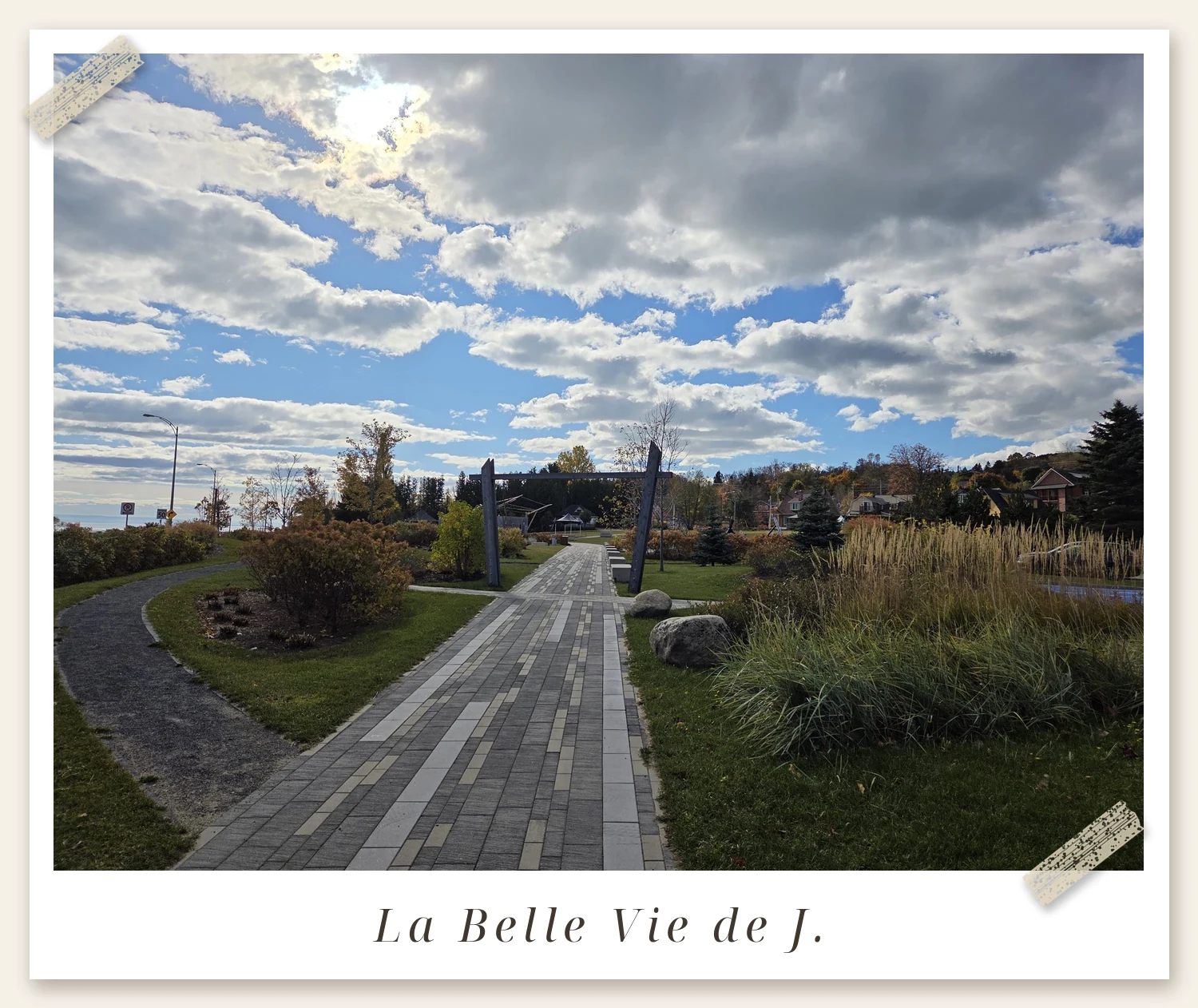
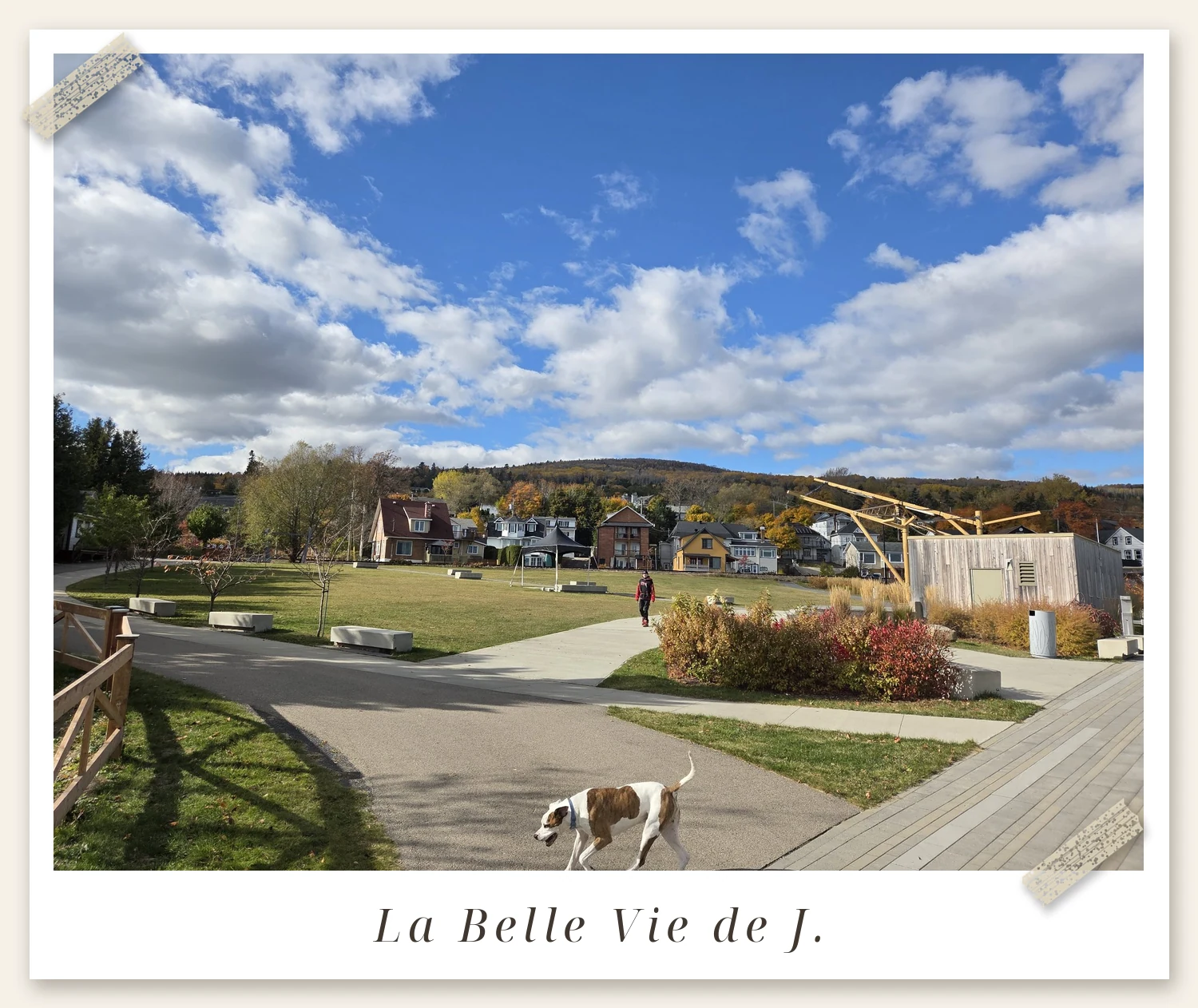
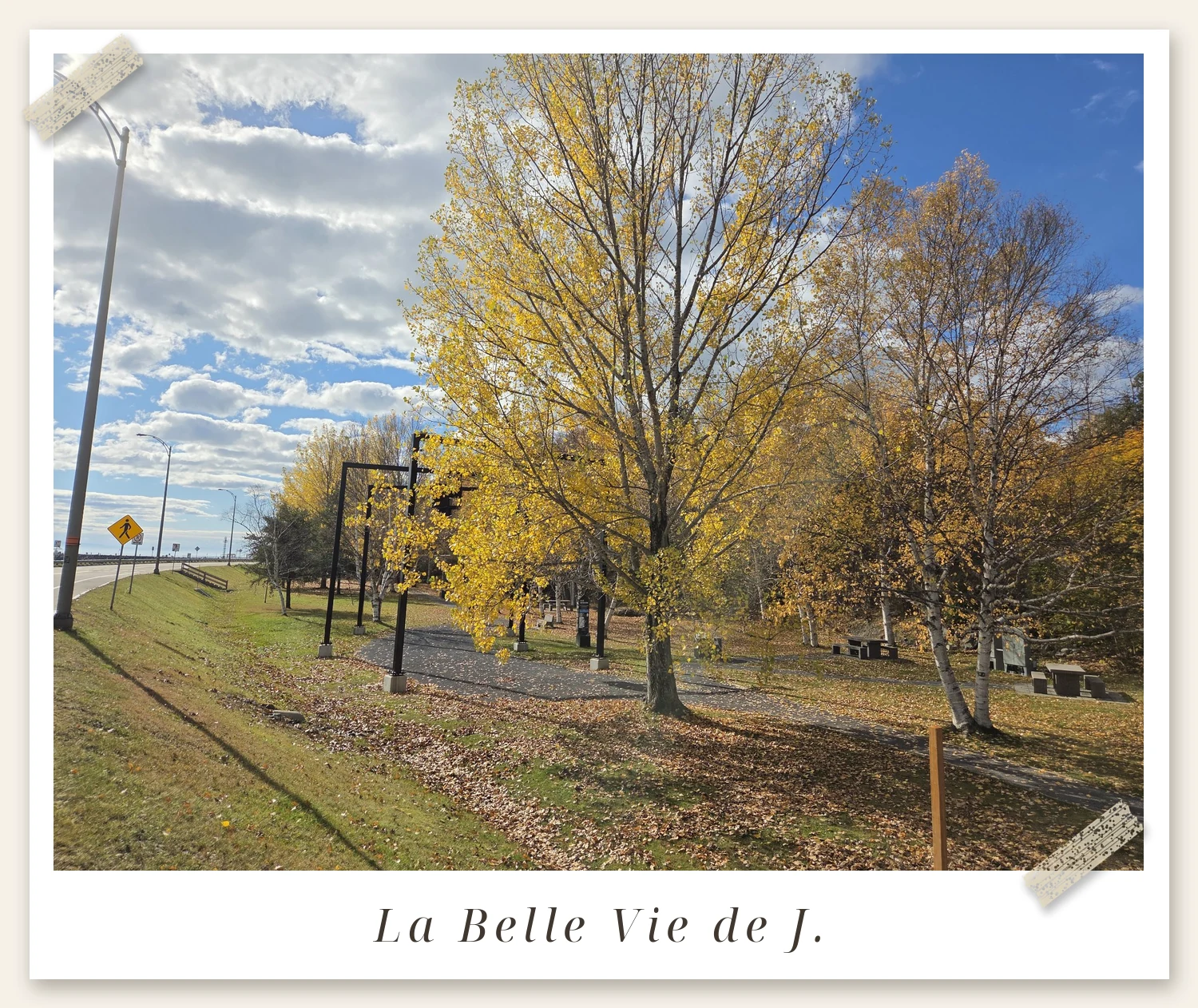
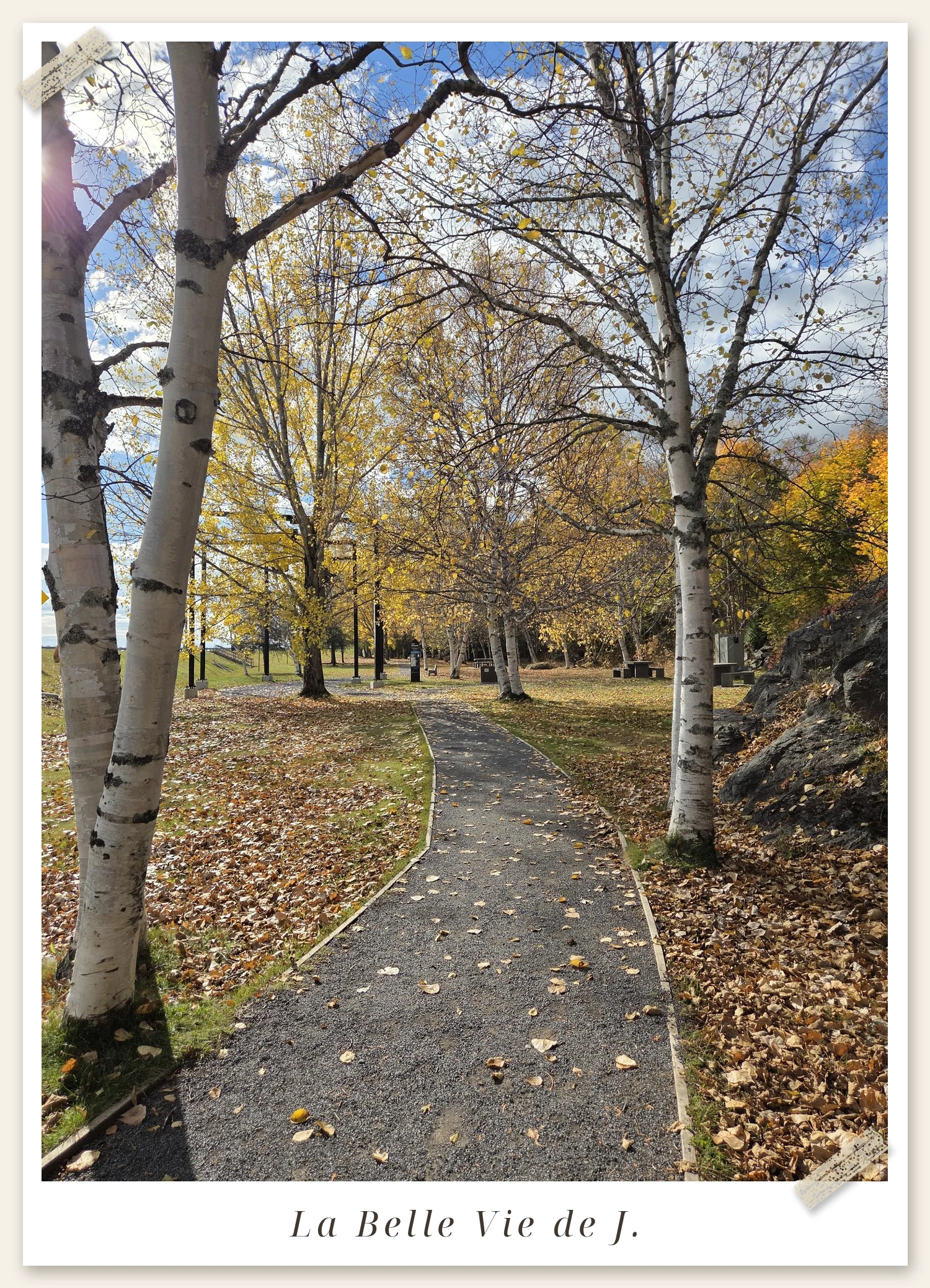
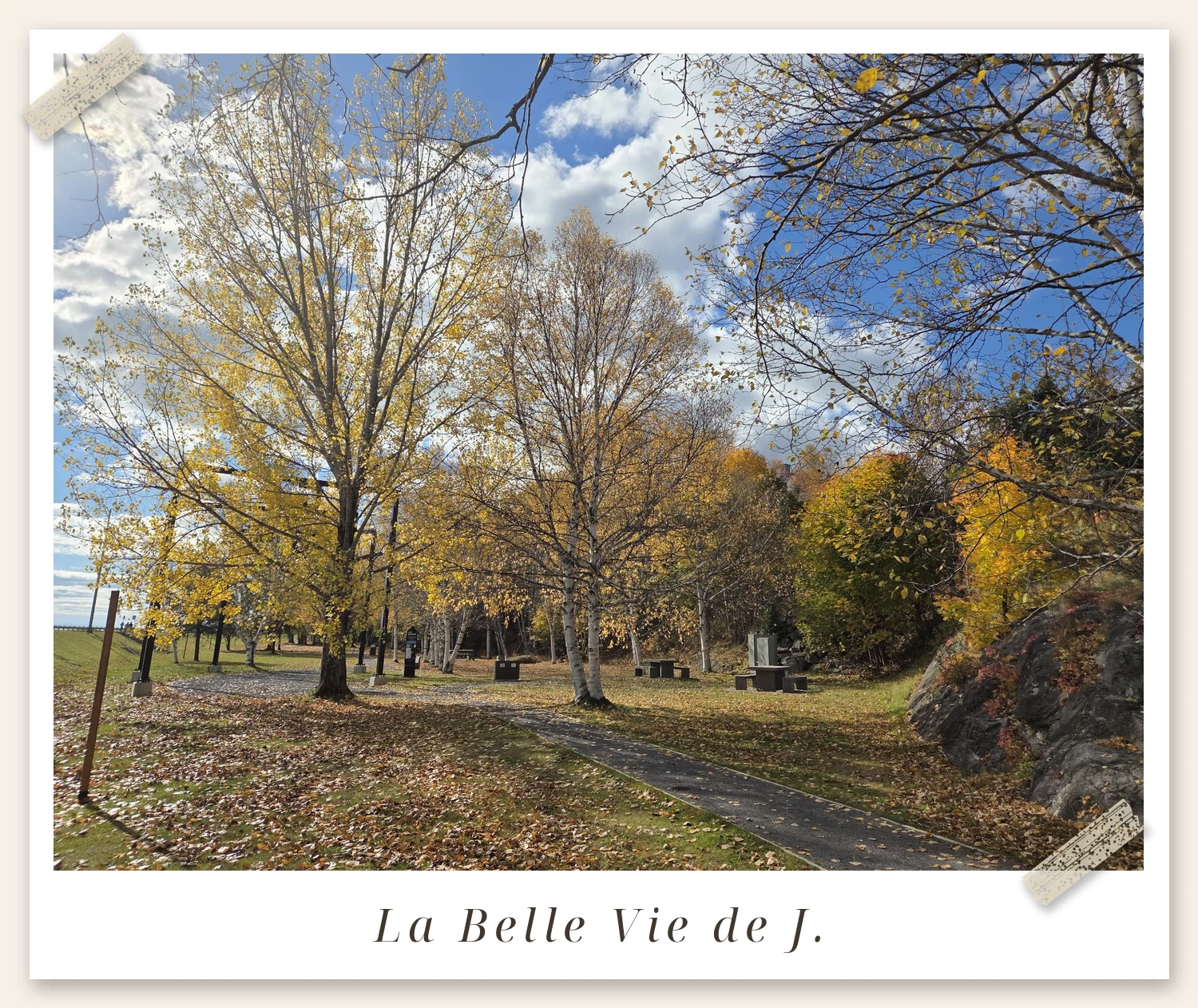
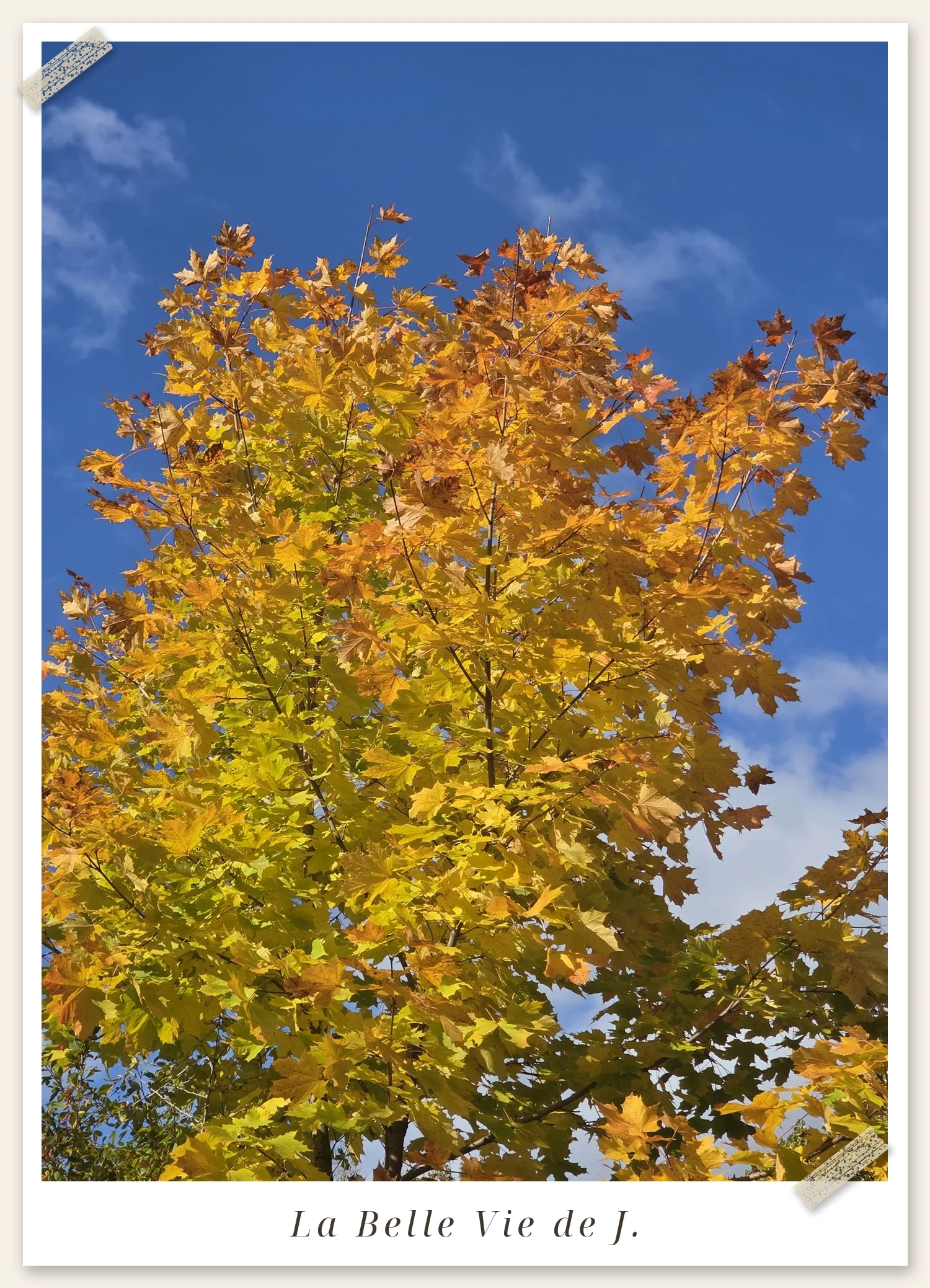
Between the museum and the shore lies the part of the walk I would save if I could only save one: a park of birches and open lawns, with paved paths, stone picnic tables and fallen leaves underfoot. The village houses peek over it from the hill, dogs cross the paths on their own important business, and in autumn the whole park turns to gold. It is not a famous park. It does not need to be. It is simply a beautiful, unhurried place to walk, and on this visit I wandered it slowly, taking more photos than any one park probably deserves. You are getting all of them anyway.
Woven through the park you will notice tall black frames standing over the paths — by day they look like minimalist sculptures, and most visitors probably walk straight past. They are, in fact, the gantries of Cité Mémoire Charlevoix, a series of giant nighttime projections that tell the stories of Charlevoix, created by Michel Lemieux with texts by Michel Marc Bouchard. The projections are entirely free and begin at nightfall; you download the free Cité Mémoire app to hear the audio as you watch. The station signs are worth stopping for even in daylight — the two I photographed here are La Drave (The Log Drive) and Avoir du Cran (As Solid as the Rocks), whose sign stands at the foot of the great cliff itself. The village’s other stations include Ti-Louis L’Aveugle chez les Forget, Les muses de Charlevoix and Être d’adon. A quiet park by day, an open-air cinema of history by night — that double life is so Charlevoix. The park paths end near the station, where the Café de la Gare parking lot sits below the cliff; its sign lets café customers park free, and asks $5 for up to four hours otherwise. Practical, and noted.
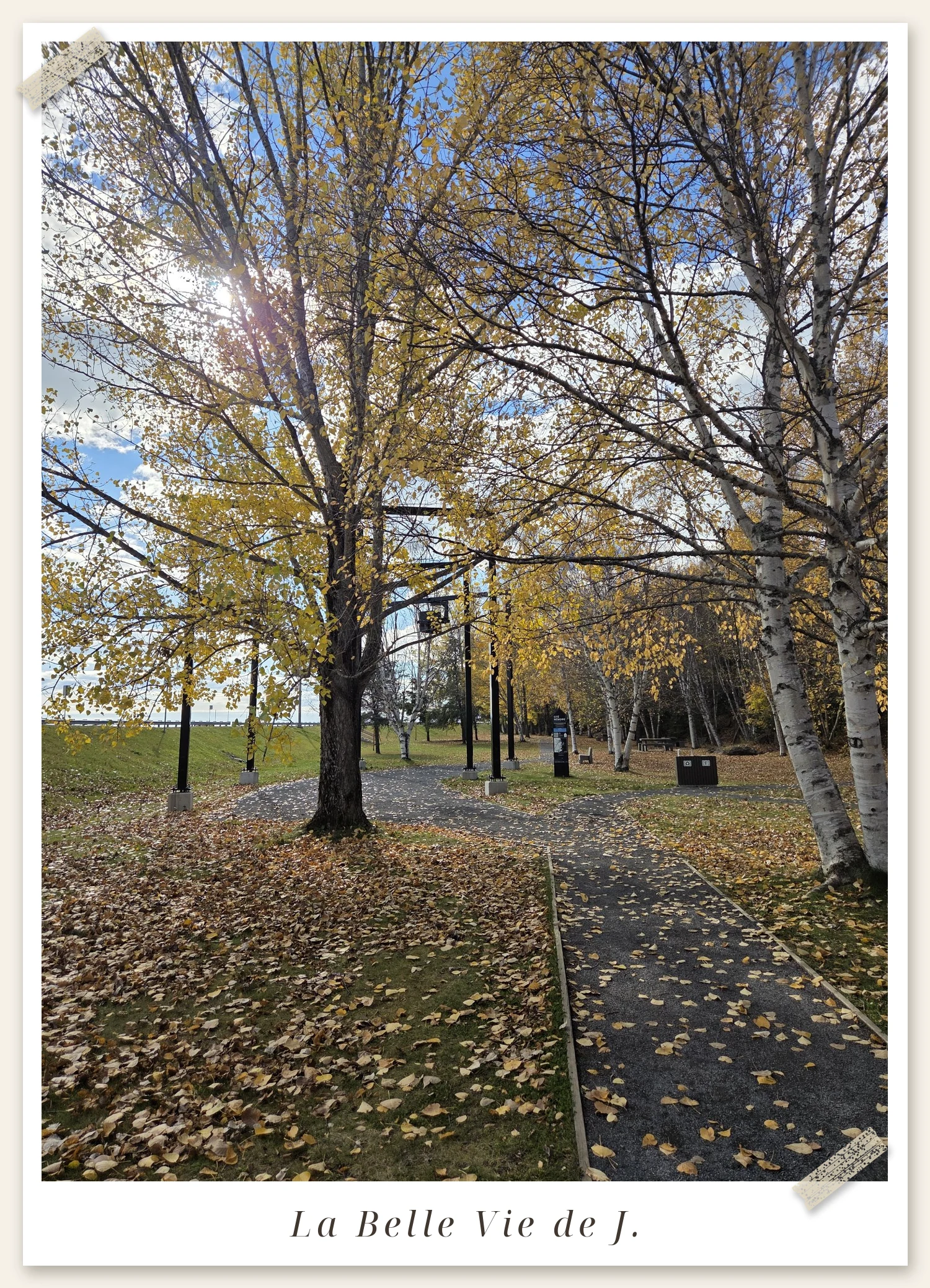
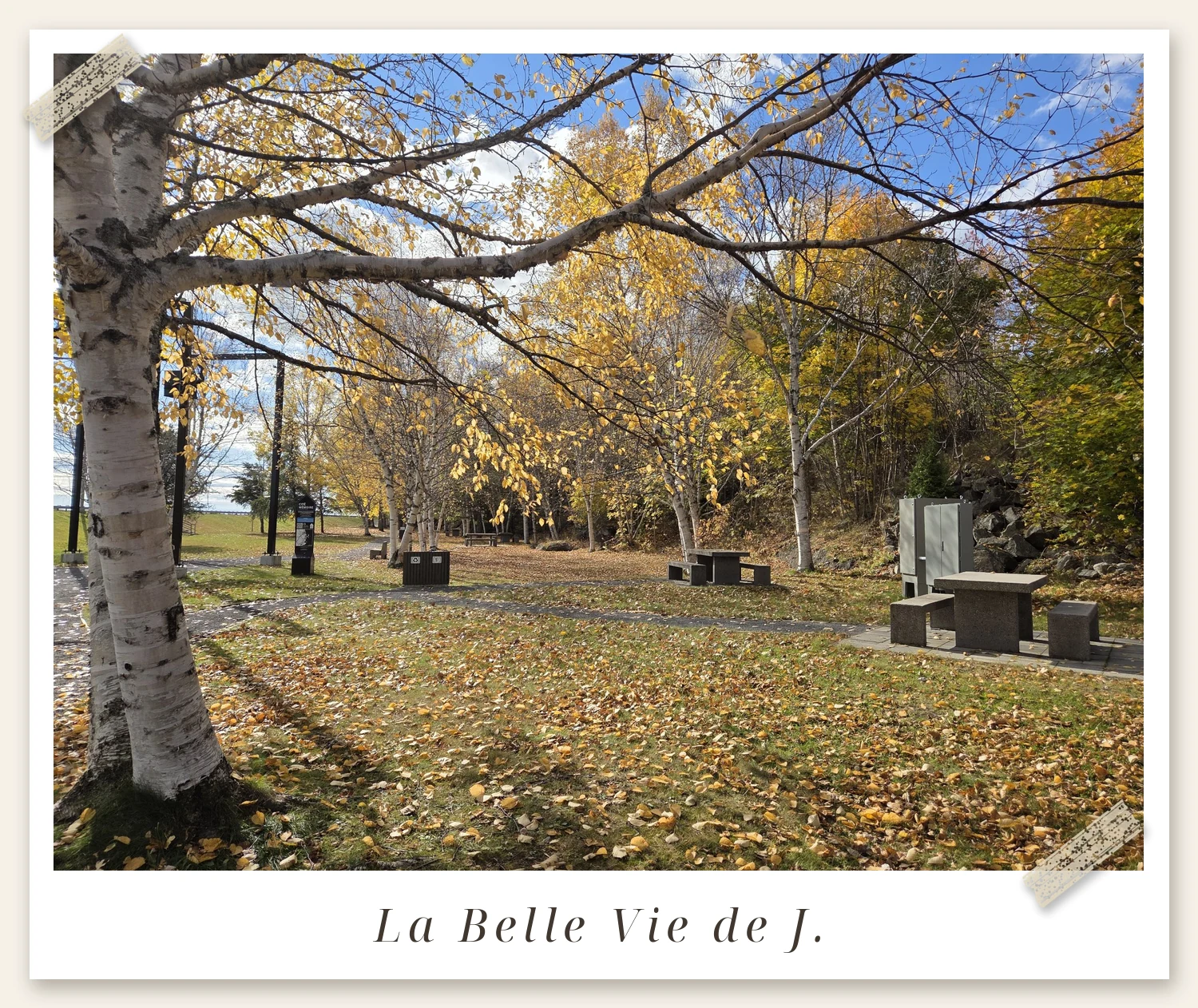
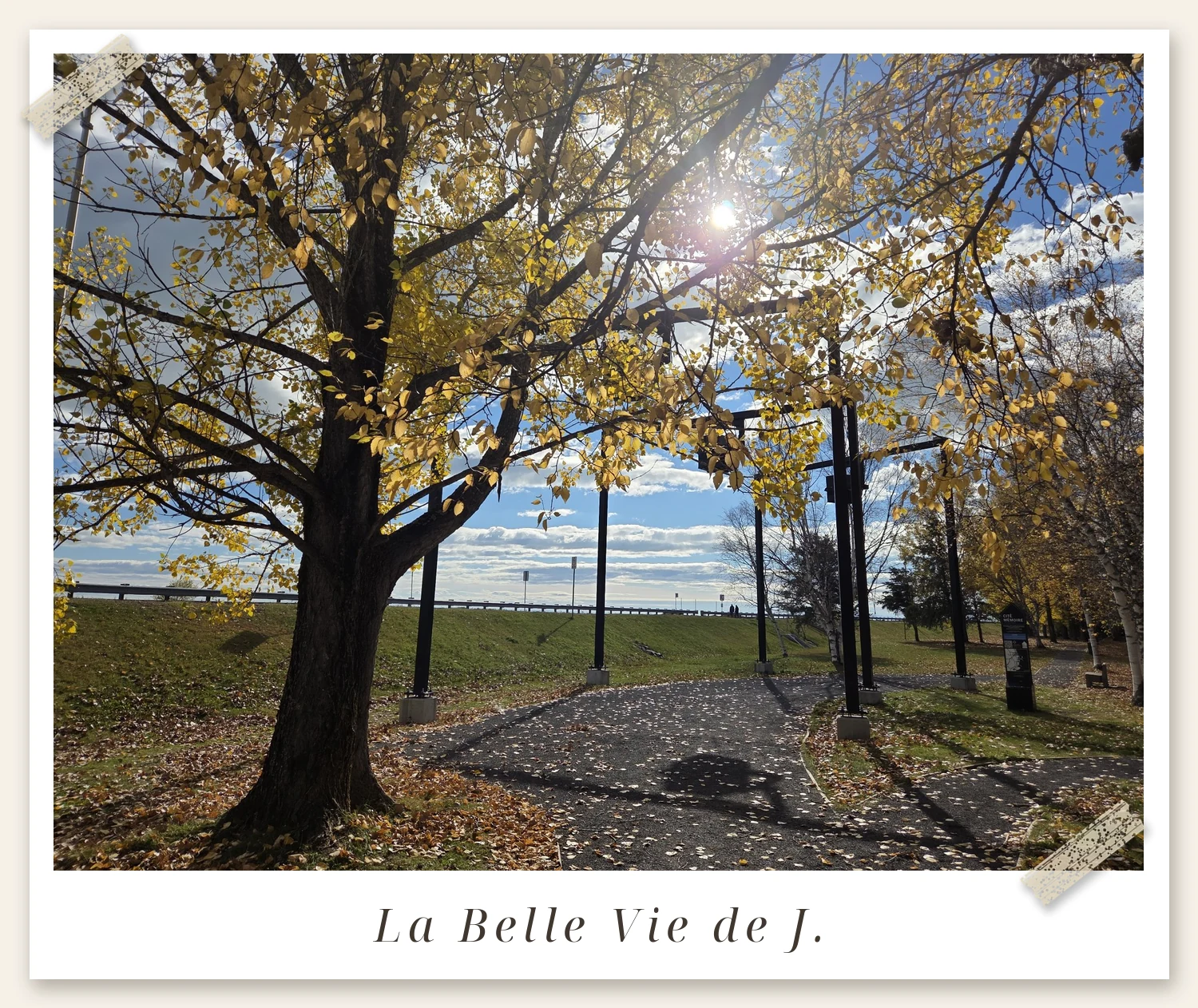
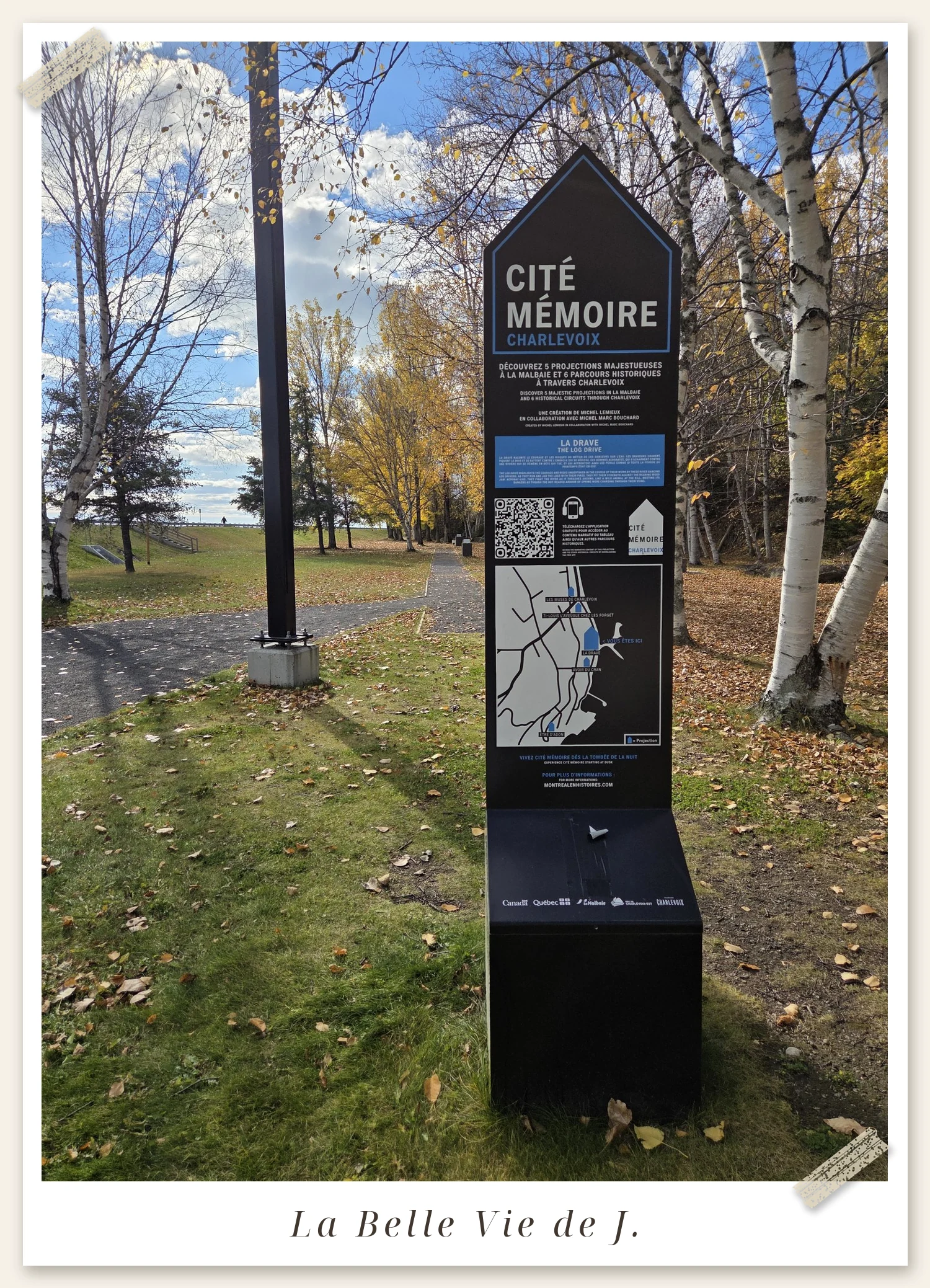
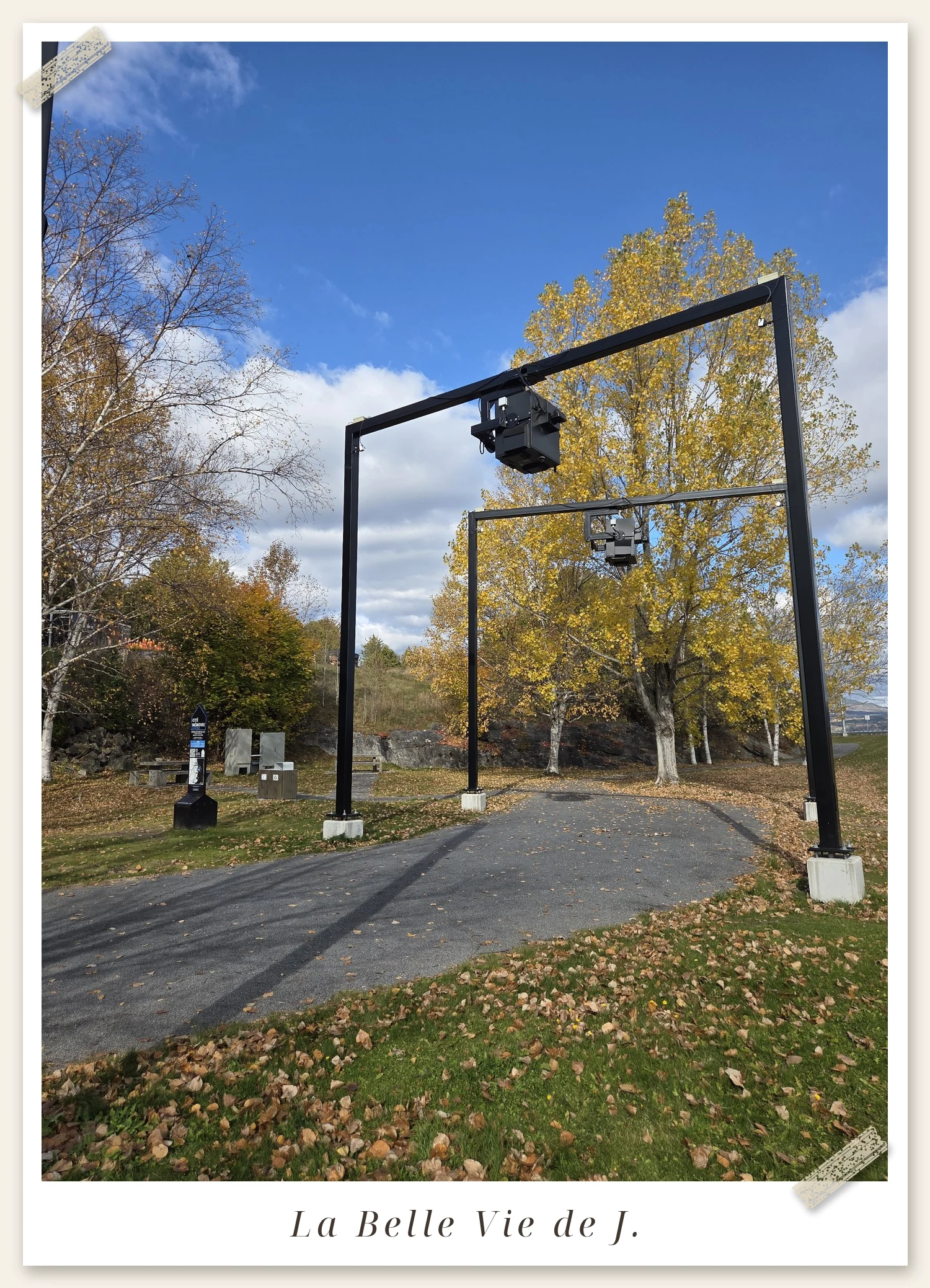
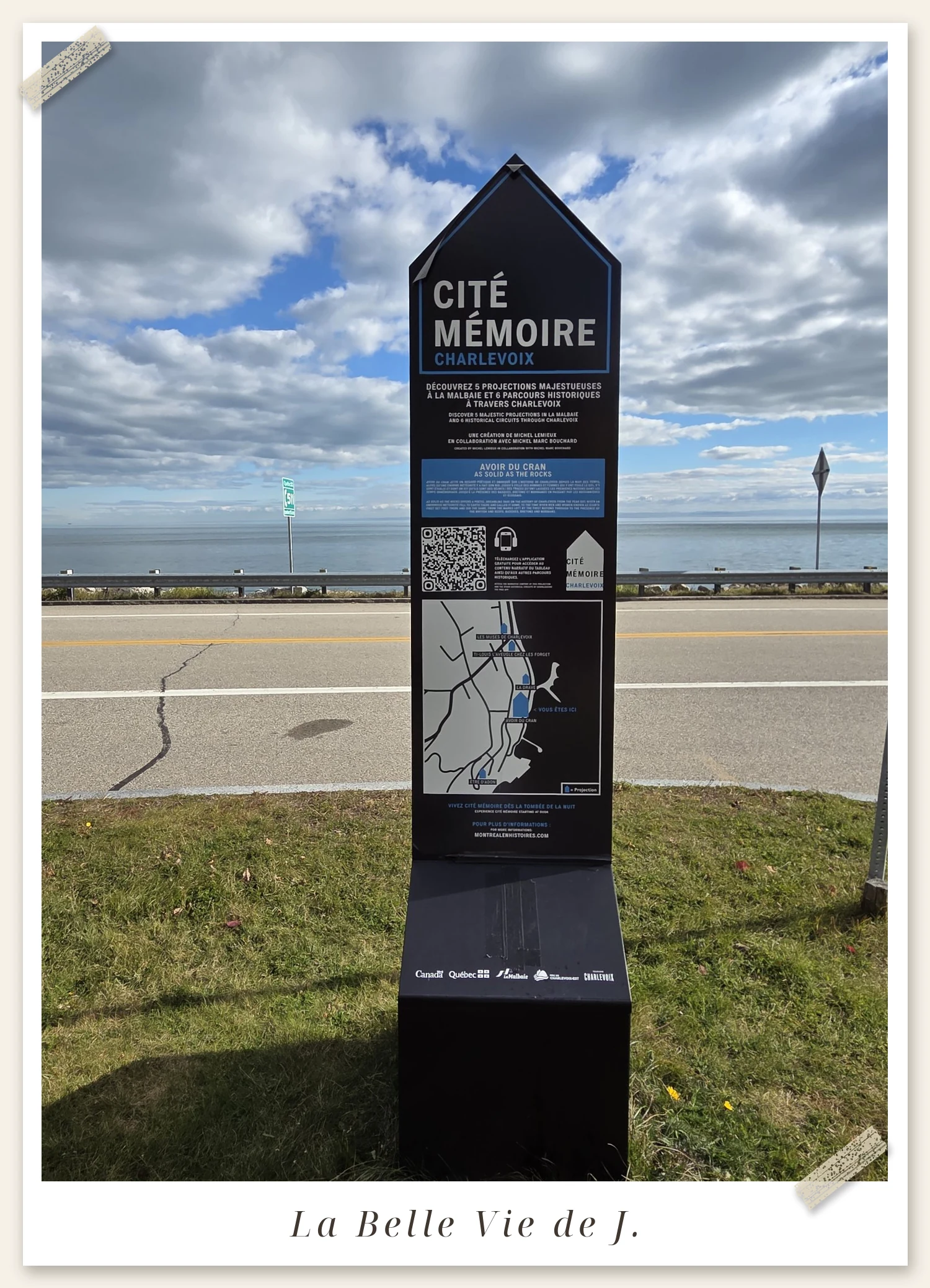
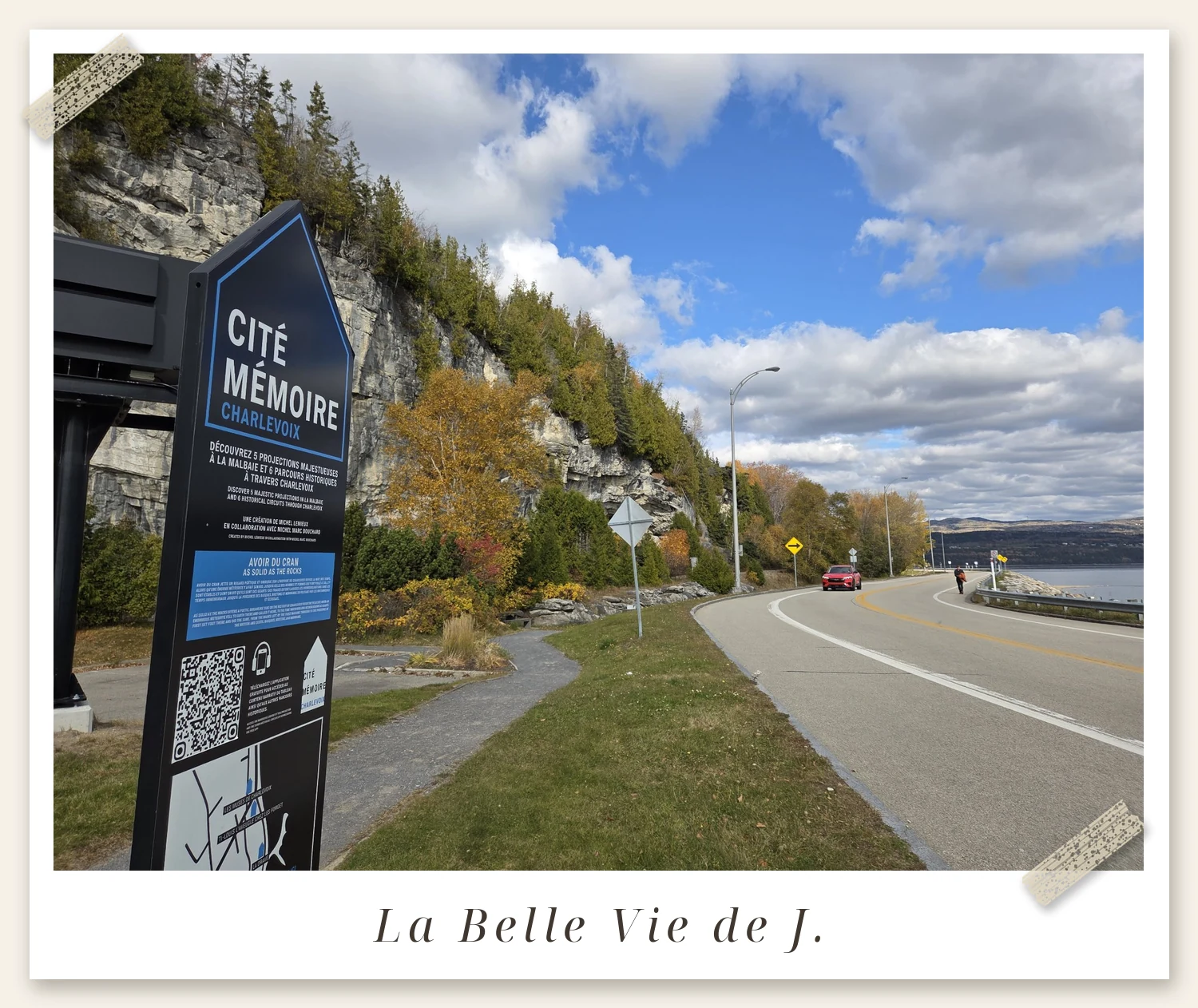
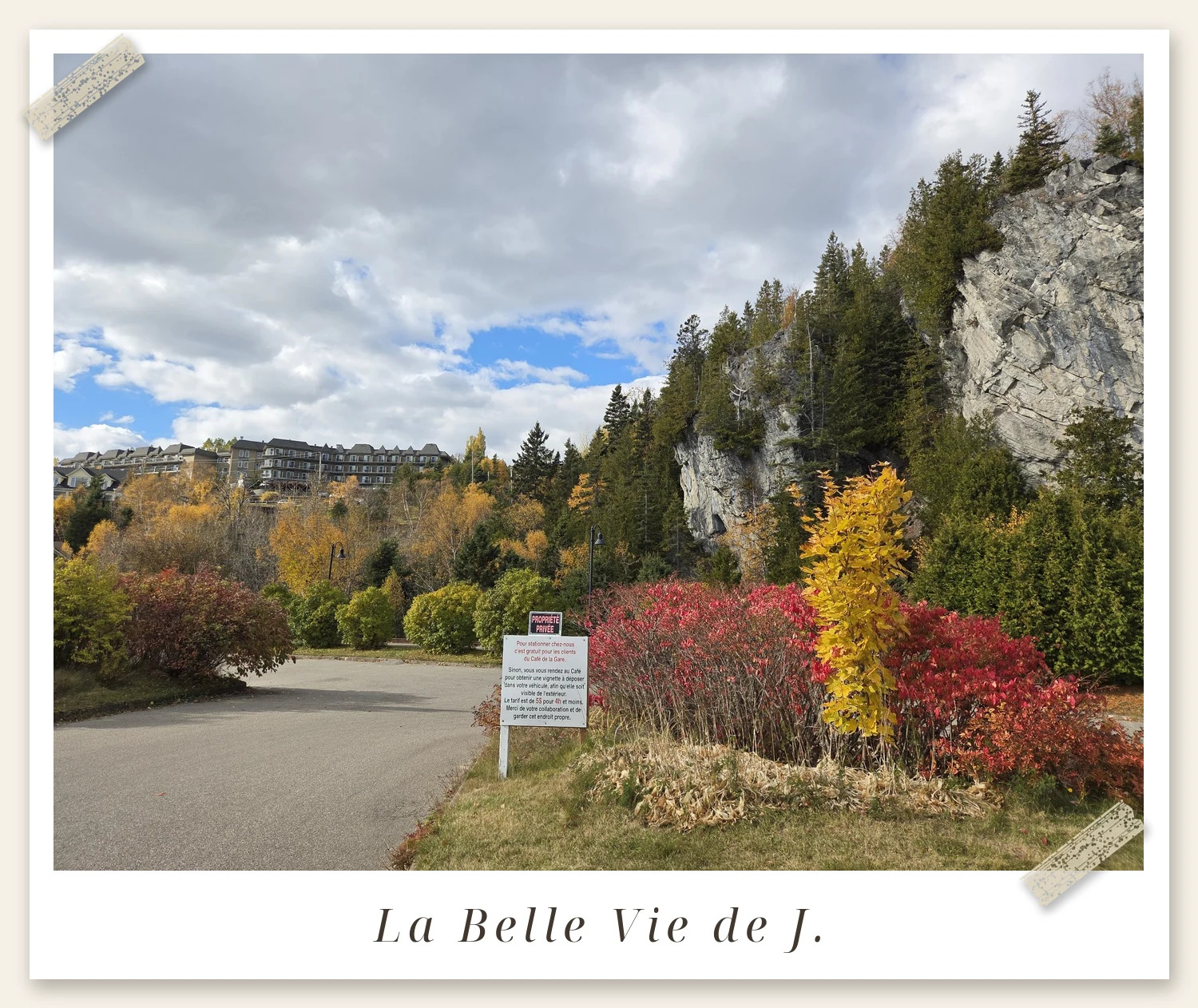
Tip: Come back to this park at nightfall — the black frames wake up as Cité Mémoire projections and the birch park becomes an open-air cinema. Download the app before you go; there is no ticket booth, just the dark and the story.
The riverside path and the sandy point
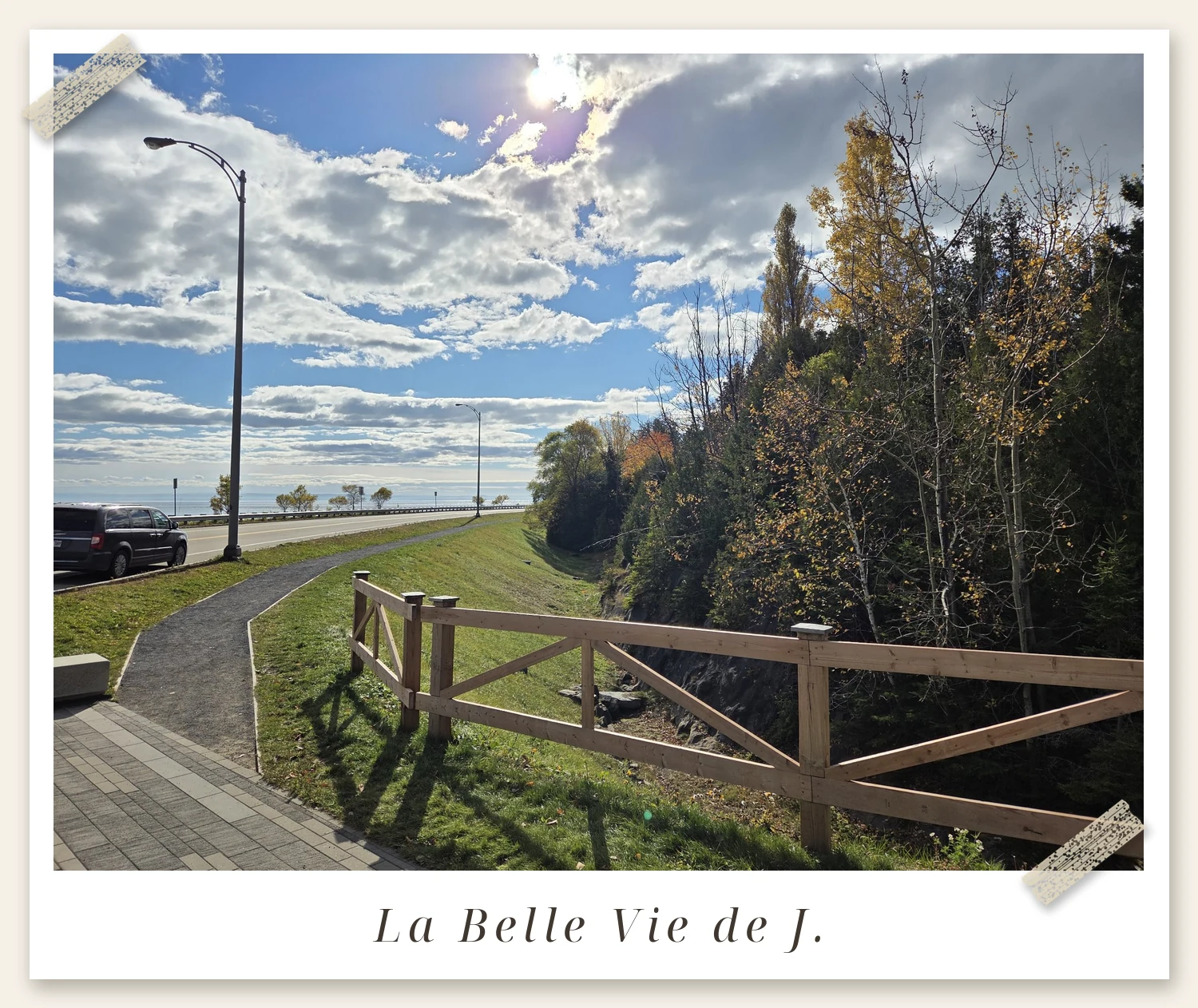
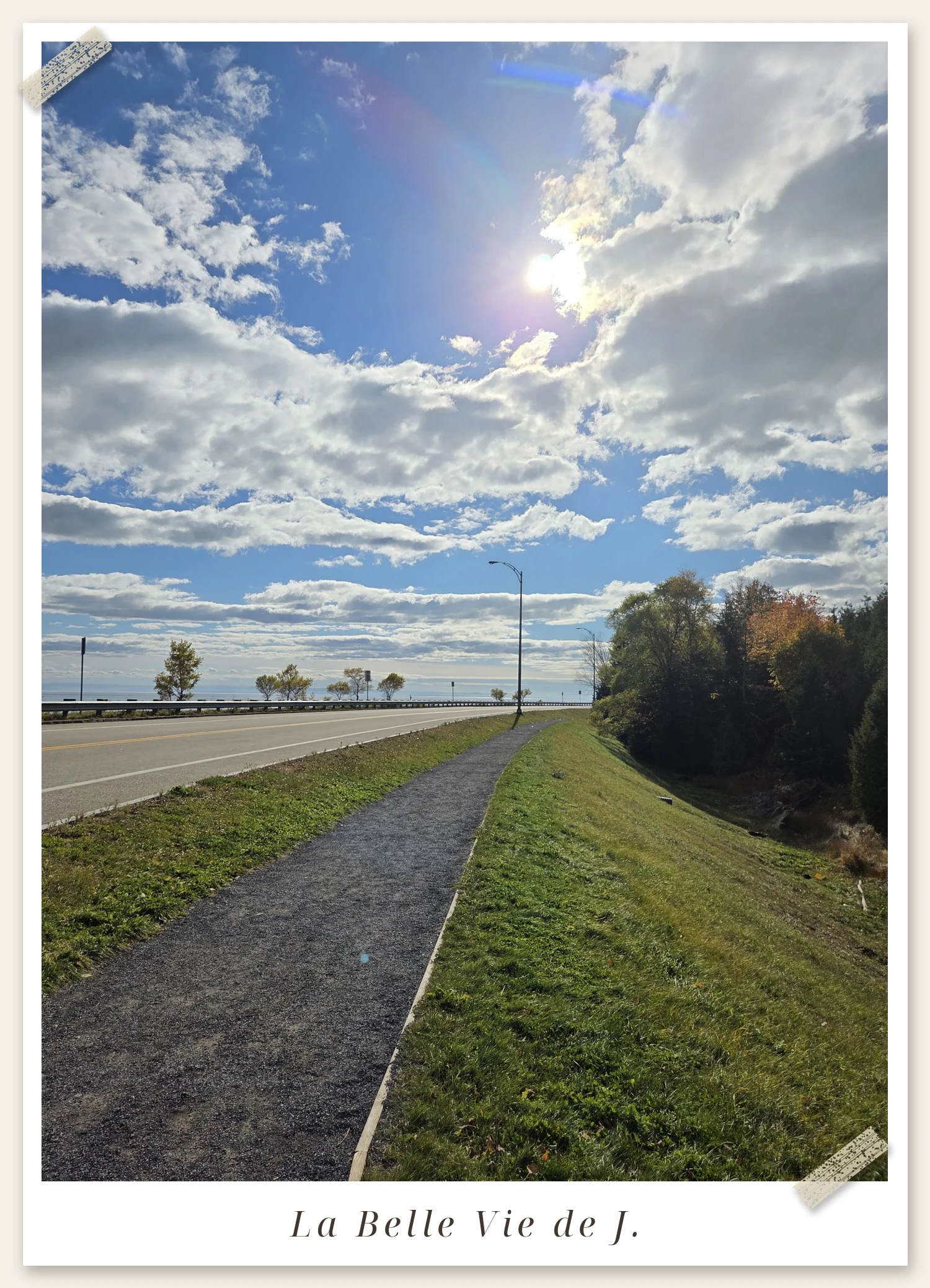
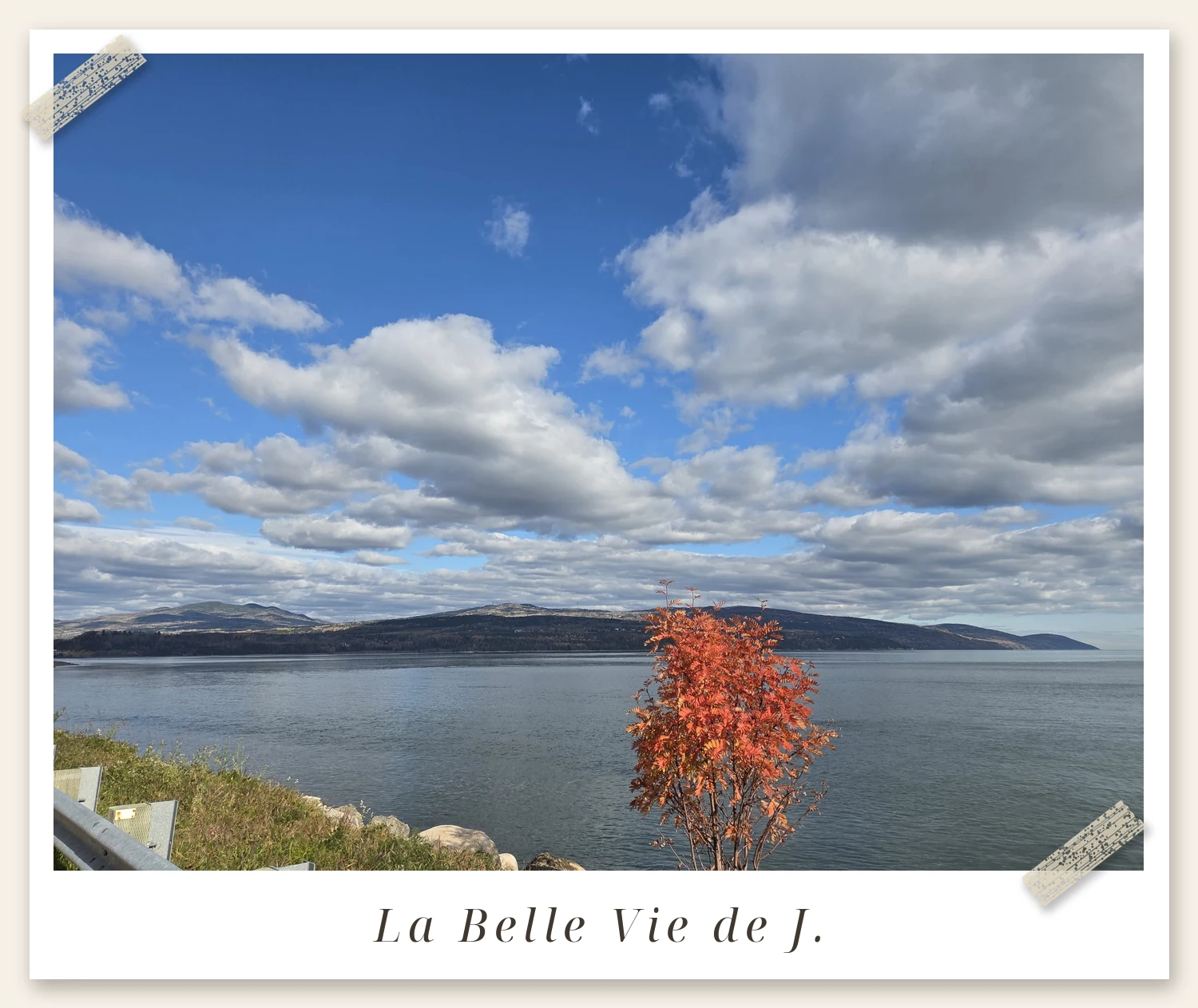
And now the part this whole post exists for: the riverside walking path. From the park, the path runs along the shore beside Route 362 — the Route du Fleuve, Québec’s official riverside touring route, which follows the water from Baie-Saint-Paul all the way into La Malbaie. There is a wooden fence, autumn trees leaning over the path, and the river beside you the whole way, wide and silver and in no rush whatsoever. Across the water, the far shore draws its long line of hills. This is the stretch I love most in the whole village, the one I was picturing when I decided autumn could not be allowed to leave without one more visit.
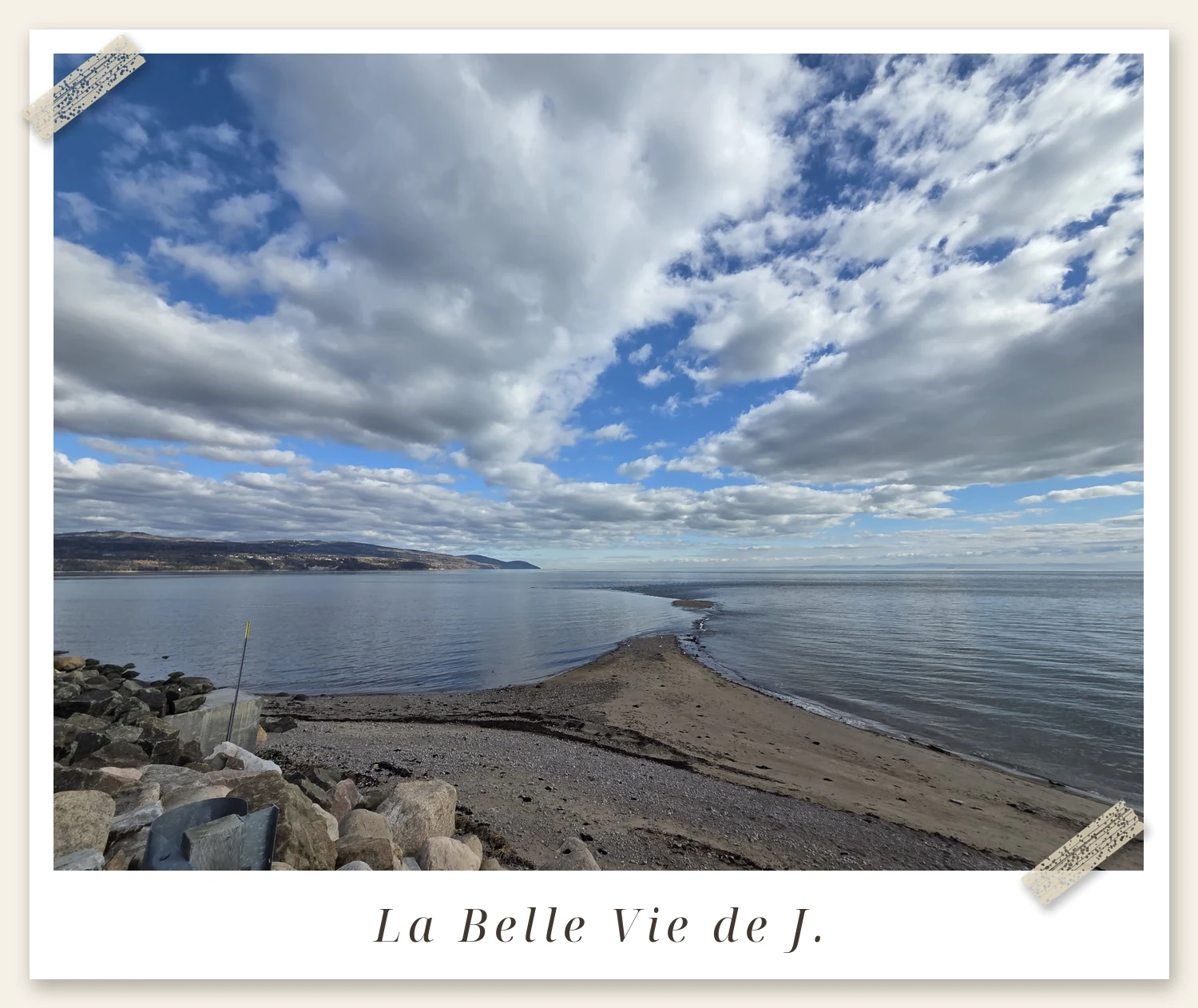
The path gives you one last gift at the end: the point itself. At low tide, the river pulls back and a long tongue of sand — the very tip of Pointe-au-Pic, the pointe the village is named for — reaches out into the St. Lawrence, and you can stand where land dissolves into water and sky. I stood there a while. Some walks are exercise and some are errands, but this one is a goodbye you say slowly, to a season, in a village that has been saying it beautifully for a hundred and fifty years.
Practical info
- Getting there by road: The scenic way in is Route 362, the Route du Fleuve — Québec’s official riverside touring route, signposted in blue, which follows the St. Lawrence from Baie-Saint-Paul to La Malbaie and passes right through Pointe-au-Pic. Route 138 is the main highway from Québec City; the last stretch along the water is the reward.
- Getting there by train: The Train de Charlevoix runs along the river from Québec City to La Malbaie from spring to autumn, and the La Malbaie station is here in Pointe-au-Pic, beside the Café de la Gare at 100, chemin du Havre — station, harbour and jetée all in one small pocket. Check the current schedule before you go.
- Parking: Beside the station, the Café de la Gare lot posts a simple deal on its sign: parking is free for café customers, and $5 for four hours or less otherwise.
- After dark: The Cité Mémoire Charlevoix projections are entirely free and start at nightfall (the official schedule runs Wednesday to Sunday — confirm evenings on the official site). Download the free Cité Mémoire app beforehand for the audio.
- The museum: Musée de Charlevoix, 10, chemin du Havre — Charlevoix history and folk art, plus the outdoor garden exhibition. Check the museum’s official site for current opening hours and the day’s program before visiting.
- On foot: This whole post is one connected walk — hill streets, lanes, harbour, station, museum garden, birch park and shore path link up naturally. Bring shoes that like hills, and give it more time than you planned. Everyone does.
Nine years into my life in Québec, I have a theory that every person who lives here eventually adopts one shore, one village, one walk that becomes theirs. This one is mine. Pointe-au-Pic asked nothing of me on this visit except that I slow down and look — at a pink snack bar, a mosaic rock, a dog crossing a birch park, a sandbar reaching into the river — and I left, as I always leave, in a better mood than I arrived. Autumn will go; the village will still be there, patient as its cliff. Go and walk it slowly, and if you can, stay until the projections light up the dark. That is the whole secret, and it was never really a secret at all.
FAQ
Where exactly is Pointe-au-Pic?
Pointe-au-Pic is a village sector of La Malbaie, in the Charlevoix region of Québec, on the north shore of the St. Lawrence River. Founded as its own municipality in 1876, it became one of Canada’s earliest resort villages, and it takes its name from the rocky point at the mouth of the Malbaie River bay.
What is there to do in Pointe-au-Pic?
Walk, mostly — and it is enough. The harbour and its white jetée, the Musée de Charlevoix and its folk-art garden, the birch park, the railway and the great cliff, a lobster roll at the pink Chez Chantal on rue du Quai, and the Manoir Richelieu and the casino looking down from the hill. Stay until dark and the village adds one more thing: the Cité Mémoire projections.
What is Cité Mémoire Charlevoix, and is it really free?
Yes — it is entirely free. Cité Mémoire Charlevoix is a series of large nighttime projections telling Charlevoix stories, created by Michel Lemieux with texts by Michel Marc Bouchard. Projections begin at nightfall, and the stations in the village include La Drave, Avoir du Cran, Ti-Louis L’Aveugle chez les Forget, Les muses de Charlevoix and Être d’adon. Download the free Cité Mémoire app to listen to the audio.
Can I visit Pointe-au-Pic without a car?
Yes, in season. The Train de Charlevoix runs along the St. Lawrence from Québec City to La Malbaie from spring to autumn, and its La Malbaie station is in Pointe-au-Pic itself, right by the harbour and the Café de la Gare. Once you step off the train, everything in this post is on foot. Check the current timetable before travelling.
When is the best time to do this walk?
The village was built as a summer resort, and summer is its classic season. But my honest answer is autumn: the birches in the park turn gold, the cliff wears its colours, the crowds are gone, and the riverside path is quiet enough to hear yourself think. That is the version of Pointe-au-Pic I keep driving back for.
You May Also Like
- Québec Fall Foliage Drive: Two Shrines, a Cathedral, Four Lookouts & a Chapel from 1747
- La Malbaie’s Hilltop Cemetery: The Best View in Charlevoix
- 4 Free Charlevoix Lookouts in One Drive: Baie-Saint-Paul, Clermont, La Malbaie & Cabot
💛 — J.
Get the Free Canada Savings Checklist
Join the newsletter — get the free PDF checklist and weekly Canada savings tips in your inbox.
Read Next

Some links in this post are referral or affiliate links. If you sign up or buy through them, I may receive a bonus or commission at no extra cost to you. It helps keep this blog running — thank you!