Sépaq National Parks — One Annual Pass for 23 Quebec Parks: Prices, Perks and Break-Even Math
Last updated: November 10, 2026
If you live in Quebec, you’ve had the weekend conversation: “So… where should we go?” For our family, the answer turned out to be Sépaq’s national parks. Not just one of them, either. We worked our way through the nearby parks one by one — pitching our own tent some trips, showing up with nothing but a bag for ready-to-camp glamping on others — and somewhere along the way, paying at the gate every time stopped making sense, so we bought the annual pass. Oka is the park we’ve visited most. This guide covers what Sépaq actually is, which parks the pass opens, how the two cards compare, and how many visits it takes to come out ahead. Because the real value of this pass isn’t the price — it’s that you choose your own start date. All prices below are in effect as of May 1, 2026.
THE SHORT VERSION
- Sépaq is Quebec’s provincial outdoor agency, and it runs the province’s 23 national parks (provincial parks). It is completely separate from Parks Canada
- There are two annual passes: the all-parks card at $93 and a one-park card at $51.50. Daily admission is $10.30 per adult, and kids 17 and under are free
- The 12 months run from a start date you pick, not the day you buy. Buy during a discount sale, then set the start date to your first trip
- First time? Start with Oka, about an hour’s drive from Montreal — beach, bikes and activities all in one place
- Camping and glamping setups look the same from park to park, so once you’ve done it once, every park feels familiar
📅 Bookings for the 2027 summer season open November 7–8! Oka opens on Saturday, November 7 at 2 p.m. A virtual waiting room hands out queue numbers, so create your Sépaq account ahead of time. Popular dates sell out fast right after opening.
🌲 1. What Is Sépaq? The Agency Behind Quebec’s 23 National Parks
Sépaq (Société des établissements de plein air du Québec) is the provincial agency that operates Quebec’s outdoor destinations — the 23 national parks plus wildlife reserves and tourist centres. One thing worth clearing up: despite the name, these are provincial parks, which makes Sépaq completely separate from Parks Canada, the federal agency behind Banff and Jasper. A Parks Canada pass won’t get you into a Sépaq park, and a Sépaq pass won’t work in a federal one.
If you live anywhere near Montreal and get outside regularly, Sépaq is a name you keep running into — Oka, Mont-Saint-Bruno and Yamaska are all in day-trip range. Every park charges its own daily admission, so how many parks you visit, and how often, decides the point where an annual pass starts paying for itself.
🏖️ 2. New to This? Start with Oka — The Easiest First Park
With 23 parks to choose from, here’s my honest advice: start with Oka (Parc national d’Oka). It’s about 50 km west of Montreal, roughly an hour’s drive (2020 chemin d’Oka), so you can leave after breakfast and be sitting by the water before lunch. Beach, bikes and trails are all in one place, which makes it a very forgiving first visit.
Oka’s headline act is the beach. The wide stretch of water in front of you isn’t the sea — it’s Lac des Deux Montagnes, a lake where the Ottawa River spreads out wide just before meeting the St. Lawrence. It feels enormous, with roughly 11 km of sandy shoreline. In summer there’s a lifeguarded swimming area and a boardwalk along the water. And honestly, for kids splashing around, a calm lake beats ocean waves.
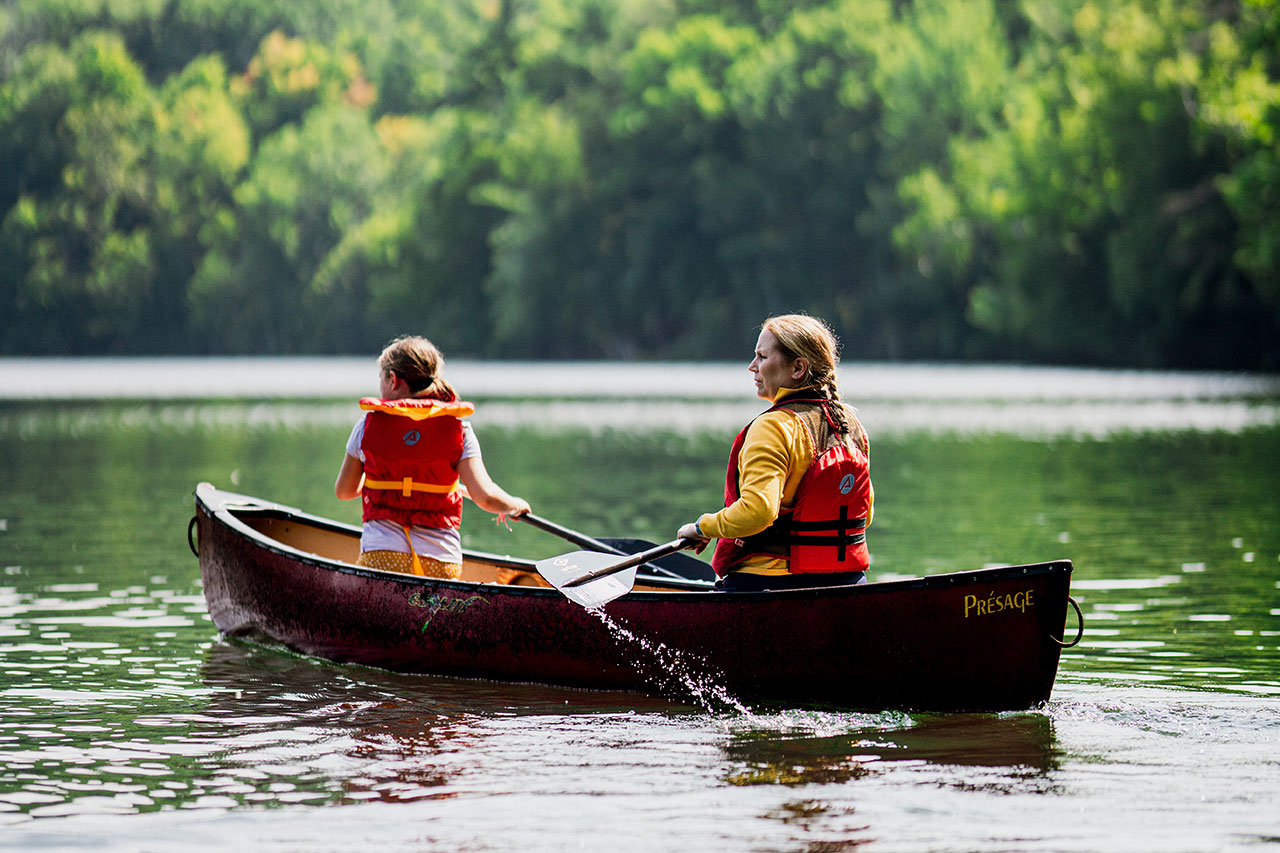
There’s plenty to do, too. Summer brings the lifeguarded beach, the Aquazilla inflatable water park, and kayak, canoe, pedal boat and SUP rentals, plus trails at every length. Winter flips the park into cross-country skiing and snowshoeing. It’s the kind of place where kids never get the chance to say they’re bored. Cycling is a highlight: a 10 km paved path crosses the park, fully separated from cars, and the Le Littoral service centre rents bikes — for families, rentals for riders 17 and under are free (quantities are limited).
Oka is the Sépaq park I use the most, by a good margin. But it deserves more than a section — the beach, the glamping, the bike routes, even the raccoons that show up after dark — so Oka has a post of its very own → Oka National Park, Done Right — A Regular’s Guide to the Beach, Glamping, Bike Trails, Day Trips and Booking. This one is about the bigger picture: all the parks a single pass unlocks.
💡 Tip: For a day trip to Oka, arrive in the morning. Claim a shady spot by the beach first, then swim and barbecue — you can fill a whole day without staying overnight.
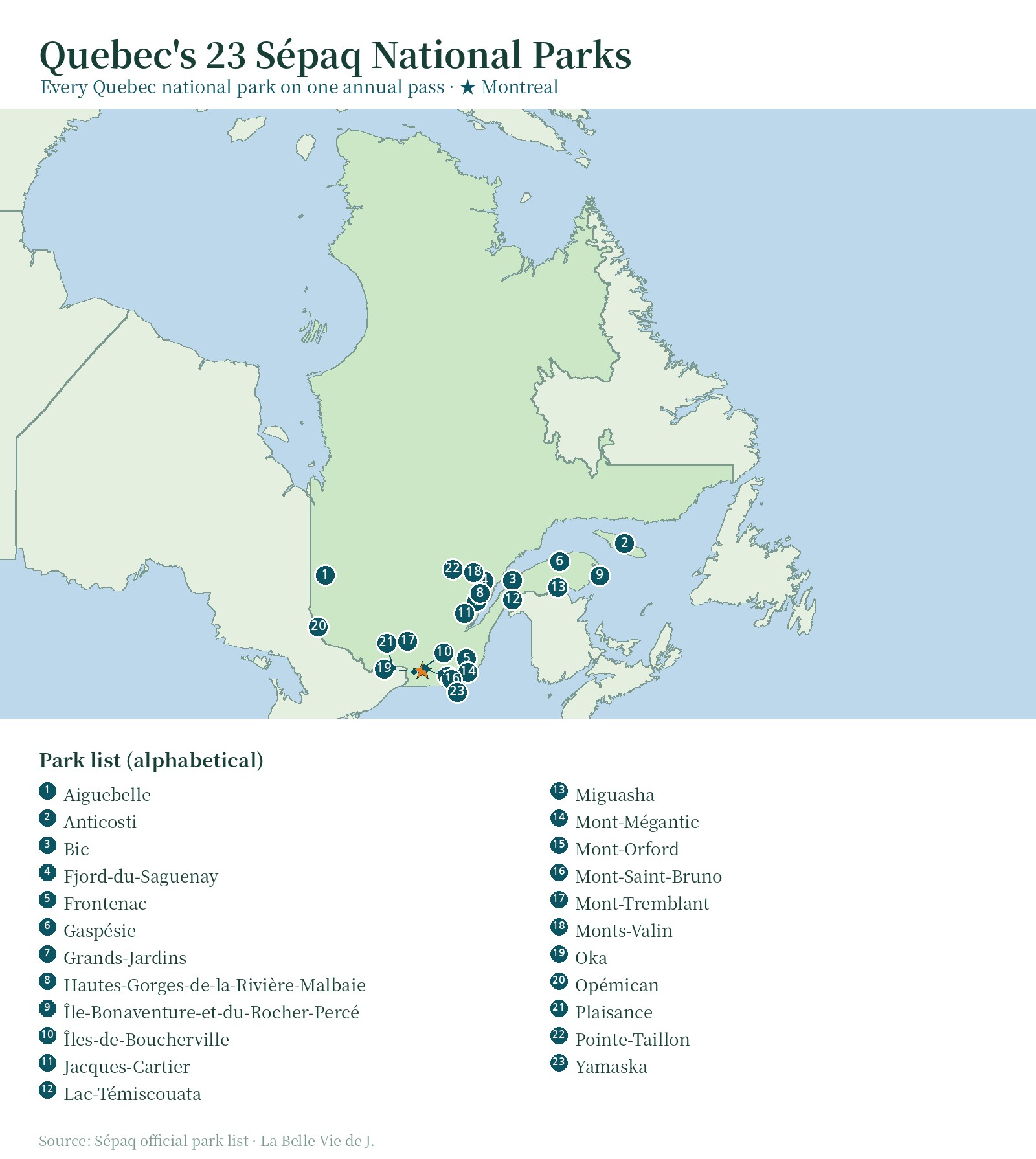
🌲 3. Which Parks Are There? The Best Ones Within Reach of Montreal
One pass opens 23 parks. You don’t need to visit them all — half the fun is unlocking the ones near home one at a time, then picking by mood and purpose. These are the standouts within reach of Montreal.
🍎 Mont-Saint-Bruno — Montreal’s Backyard Hill
Just 25 km from Montreal, this is the lowest-effort outing on the list. The walking trails loop around five lakes, and in summer you can rent a canoe or SUP on Lac des Bouleaux. Come fall, there’s apple picking in the park orchard and tea at Le Vieux-Moulin, a 300-year-old mill turned tea room. Winter brings 35 km of cross-country ski trails plus snowshoeing and fatbike rentals. It’s Sépaq’s most visited park, drawing over a million people a year — and, unusually, it has no lodging at all. Strictly day use.
🏝️ Îles-de-Boucherville — An Island Park on the River
A park made of islands floating in the St. Lawrence River, barely 16 km from Montreal. Twenty-one kilometres of cycling and walking trails link the islands, and the channels and wetlands are made for canoe, kayak and SUP. The camping is the quirky part: the île Grosbois campground can’t be reached by car at all — you get there on foot, by bike, by small boat or by shuttle — which is exactly why bike campers and canoe campers love it. There are 50 campsites and 25 ready-to-camp units.
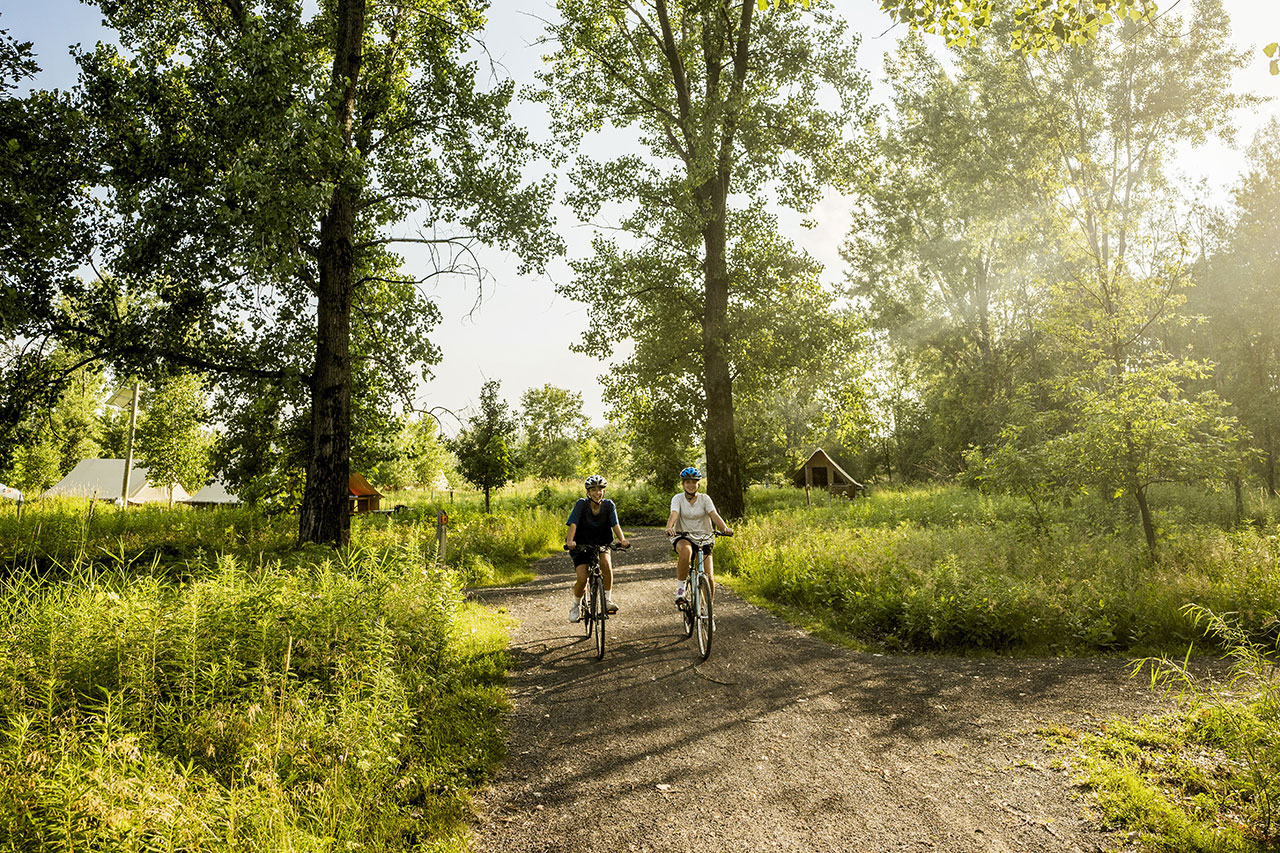
🏖️ Yamaska — A Reservoir Park Built for Water Days
About 94 km from Montreal, a 1 to 1¼ hour drive. The Choinière reservoir sits at the centre of the park, so summer means a lifeguarded beach and a big play structure on the sand. Canoes, kayaks, pedal boats, SUPs and fishing cover almost everything you can do on water, and the Le Grand-Tour bike loop circles the reservoir for 19 km. Easy, stroller-friendly trails make it a good pick with little kids, and between camping, ready-to-camp and Nature chalets, staying over is easy too.
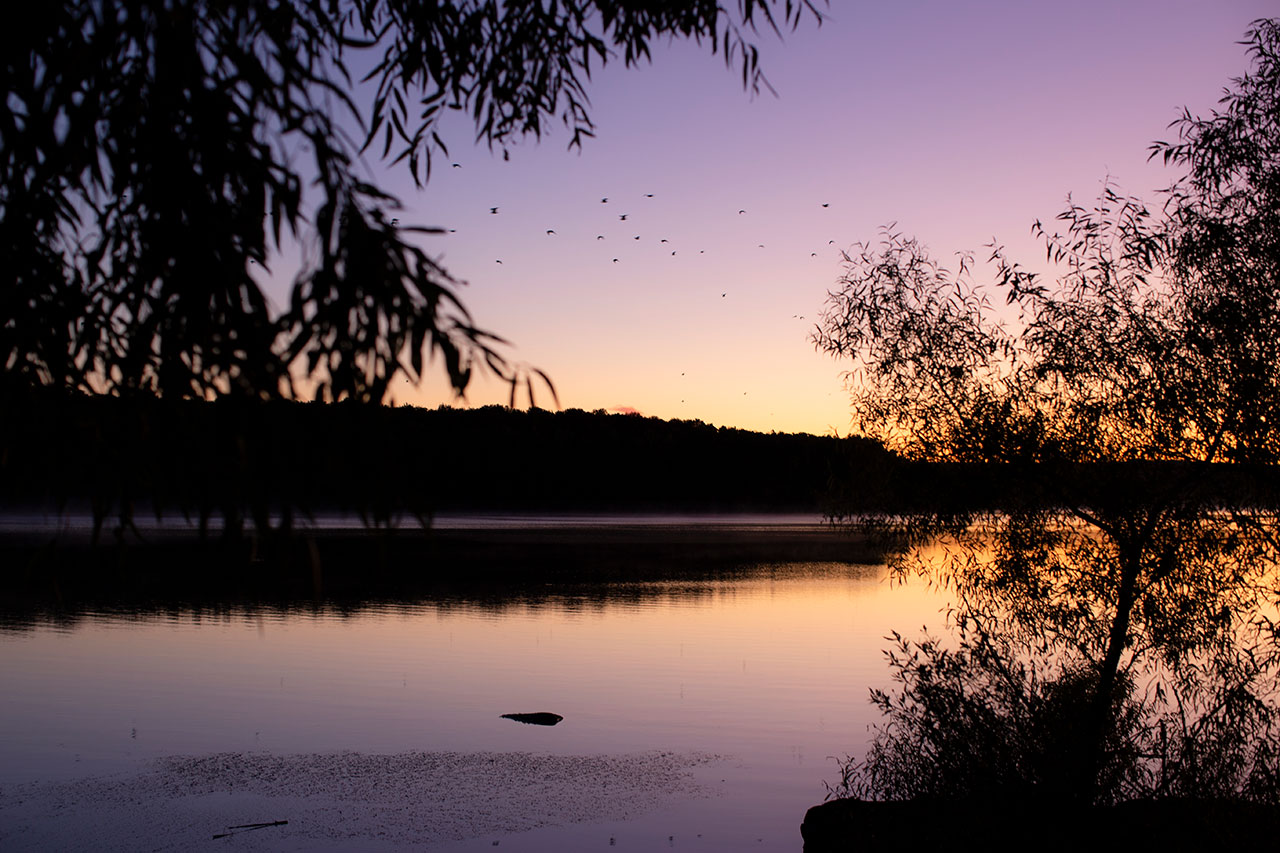
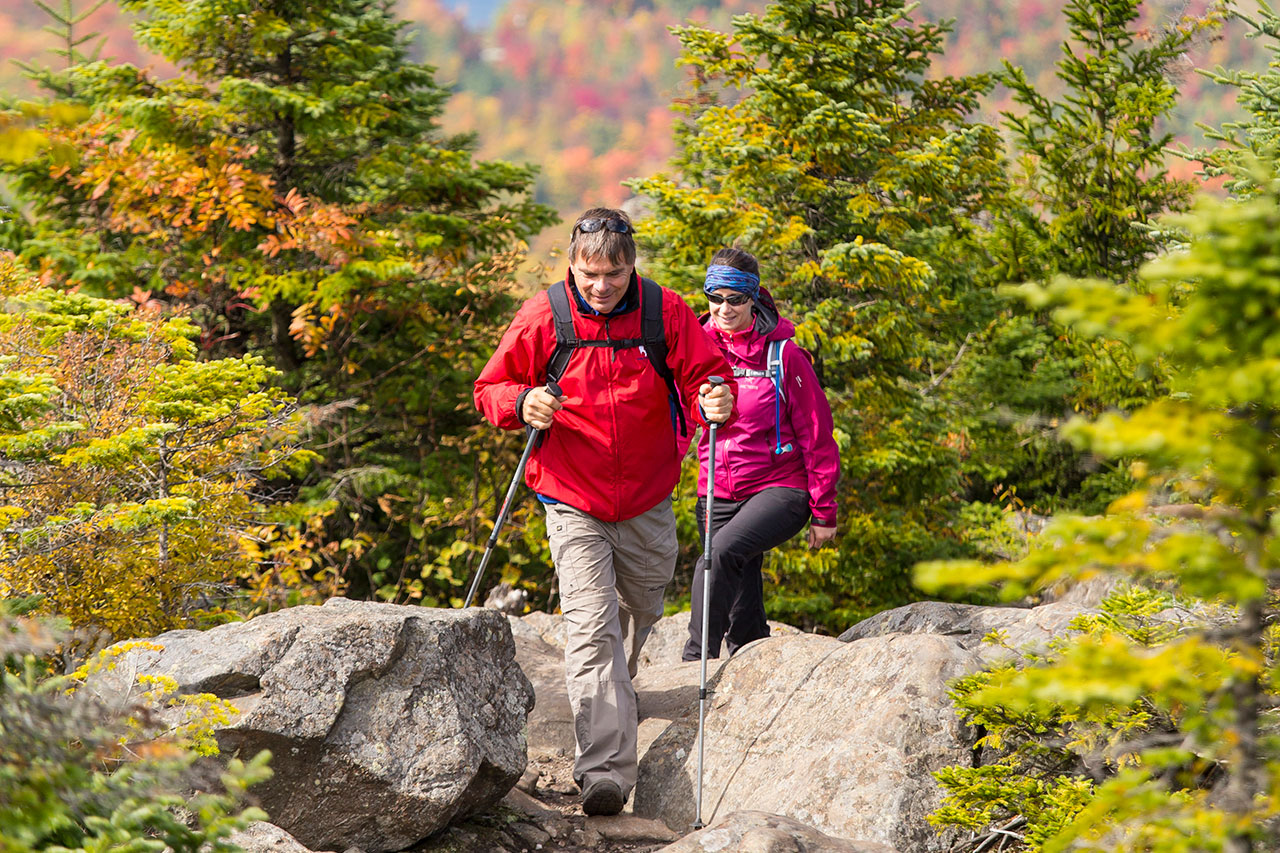
🍁 Mont-Orford — Mountain and Lakes Together
An Eastern Townships park 128–136 km from Montreal, about a 1½ hour drive. You get an 853 m summit plus two lakes, Stukely and Fraser, so a day splits nicely: summit hiking and mountain biking in the morning, lake beach and canoe or kayak rentals in the afternoon. Winter is cross-country skiing and snowshoeing, and camping and ready-to-camp sites are plentiful. I’ve written up Mont-Orford in fall colours on the blog if you want the autumn version.
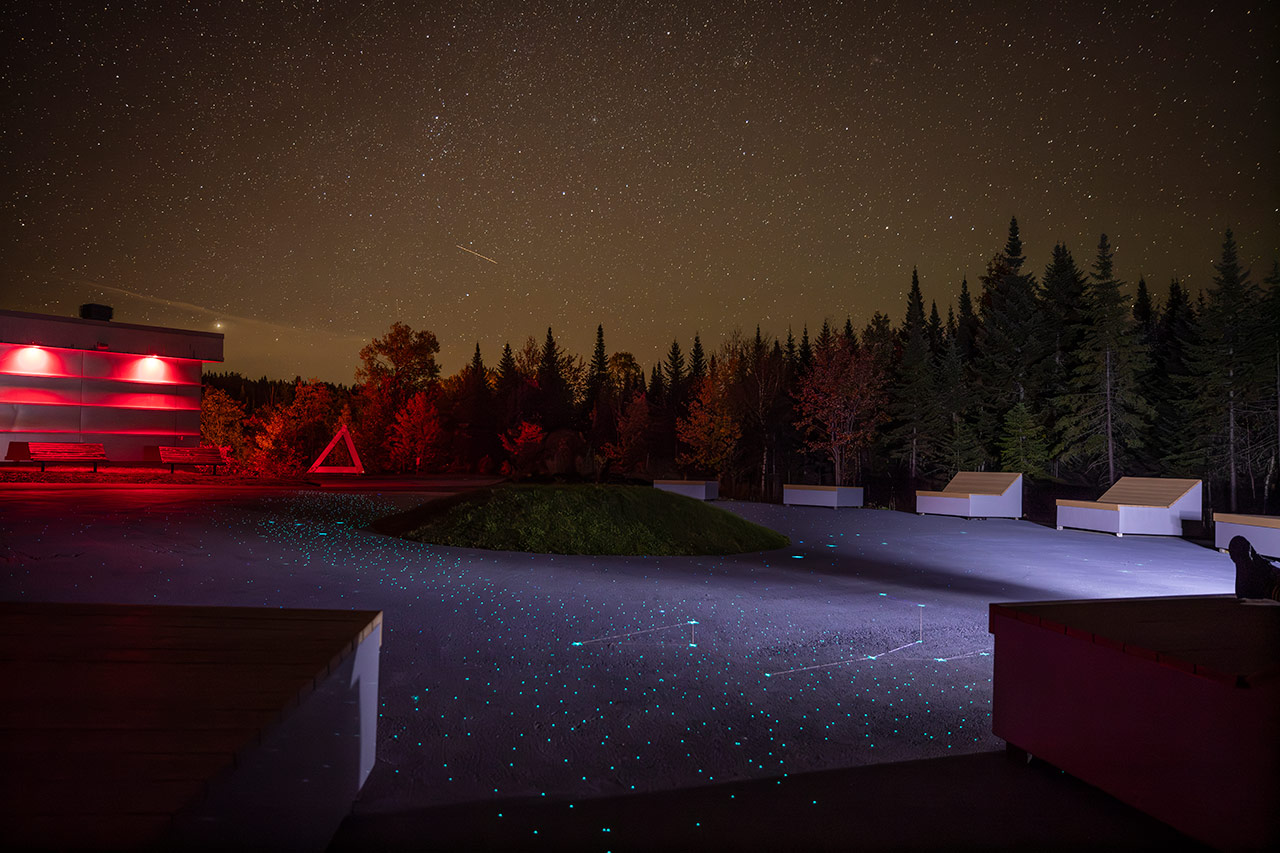
🔭 Mont-Mégantic — The Stargazing Park
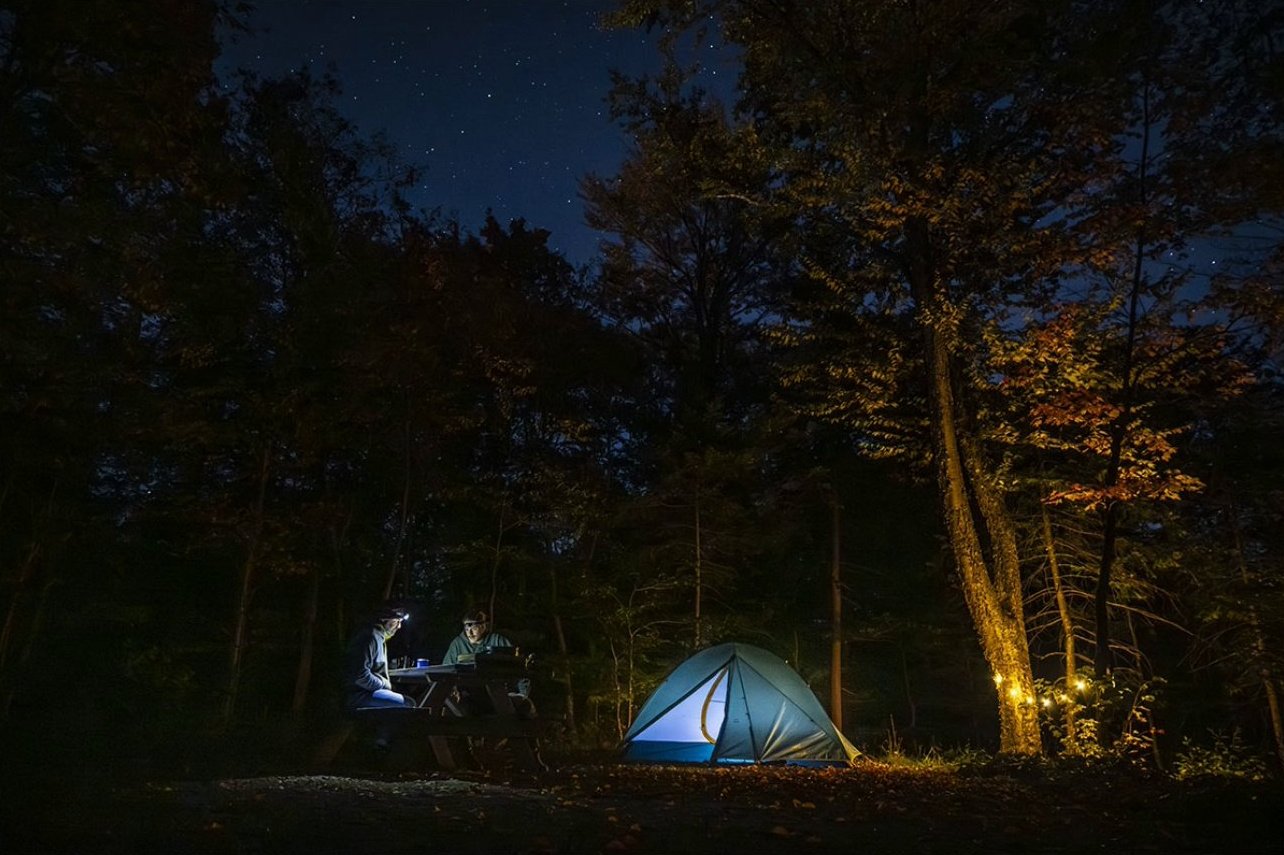
At 216–228 km, this is the farthest park in this guide — and the one with the clearest calling card. The ASTROLab astronomy centre sits at the foot of the mountain, and the campground lies inside an International Dark Sky Reserve. This is a park you visit for the night sky. There are three peaks over 1,000 m, about 60 km of trails, and 43 km of snowshoe trails in winter. With camping and Étoile ready-to-camp units on site, plan it as an overnight trip, not a day run. According to the August 2026 issue of Sépaq’s magazine L’Effet nature, the Perseid meteor shower peaks on the night of August 12–13.
🏞️ Mont-Tremblant — The Big One, Worth a Few Days
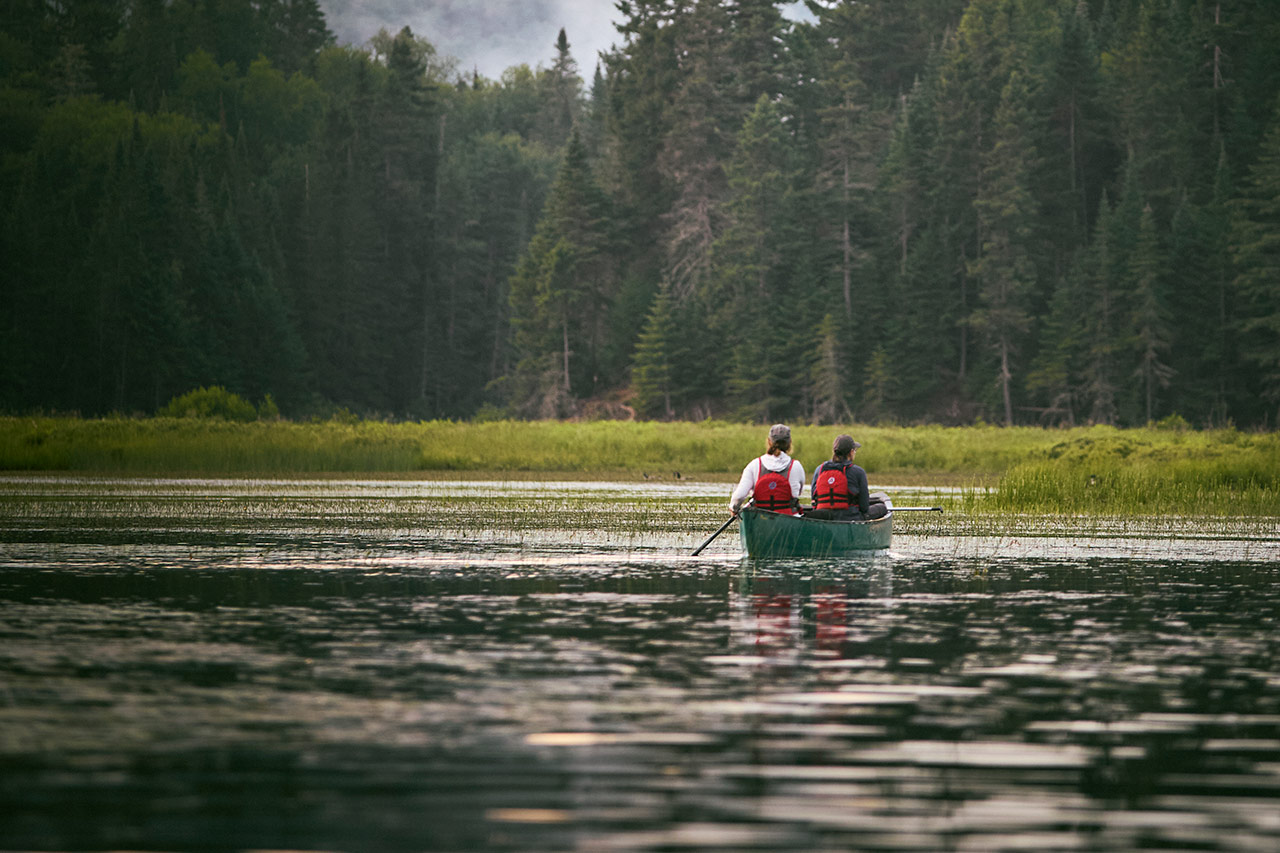
One more worth knowing: the largest park in southern Quebec (1,510 km²) is also a Sépaq park, and it plays in a different league — the Via Ferrata du Diable cliff route, canoeing the Rivière du Diable, lake beaches, waterfalls and lookout hikes. It’s 128–138 km from Montreal, with large campgrounds in each sector. Once nearby parks have paid your pass off, this is where the next trip points.
| Park | From Montreal | Best for | Camping · Glamping |
|---|---|---|---|
| Oka | ~50 km · about 1 hr by car | First visit, beach and activities | Yes |
| Îles-de-Boucherville | 16 km | Island camping in the city, cycling | Yes |
| Mont-Saint-Bruno | 25 km | Easy day walks, winter skiing | No (day use only) |
| Yamaska | 94 km · about 1–1¼ hrs by car | Family water days | Yes |
| Mont-Orford | 128–136 km · about 1½ hrs by car | Mountain, lakes, fall colours | Yes |
| Mont-Tremblant | 128–138 km | Multi-day backcountry trips | Camping yes |
| Mont-Mégantic | 216–228 km | Overnight stargazing | Yes |
⛺ 4. Camping & Glamping — The Same Setup in Every Park
No need to wonder whether camping works differently from park to park. After visiting quite a few of them, I can tell you the glamping looks the same and the tent sites are near-identical wherever you go. Learn the ropes once and you’ll never feel lost at a new park — and that’s a big part of the fun of hopping between parks on one pass.
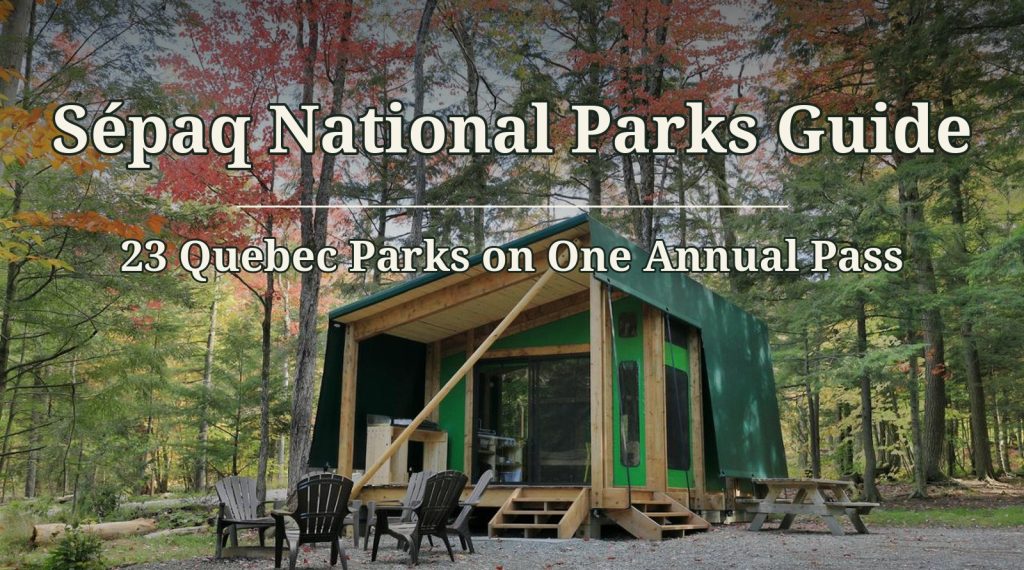
The glamping option is called ready-to-camp, and it comes in two flavours. Comparing the two I’ve stayed in: the green Étoile is the bigger, better-equipped one, while the beige traditional tent is a little smaller. Either way you get beds, a kitchen and a table — no tent to pitch, just show up.
There’s also the Compact cabin — a small cabin-style unit with beds and a basic kitchenette. At Oka, about 70 former semi-serviced sites are being converted into ready-to-camp units and Compact cabins, a transition set to finish in fall 2027.
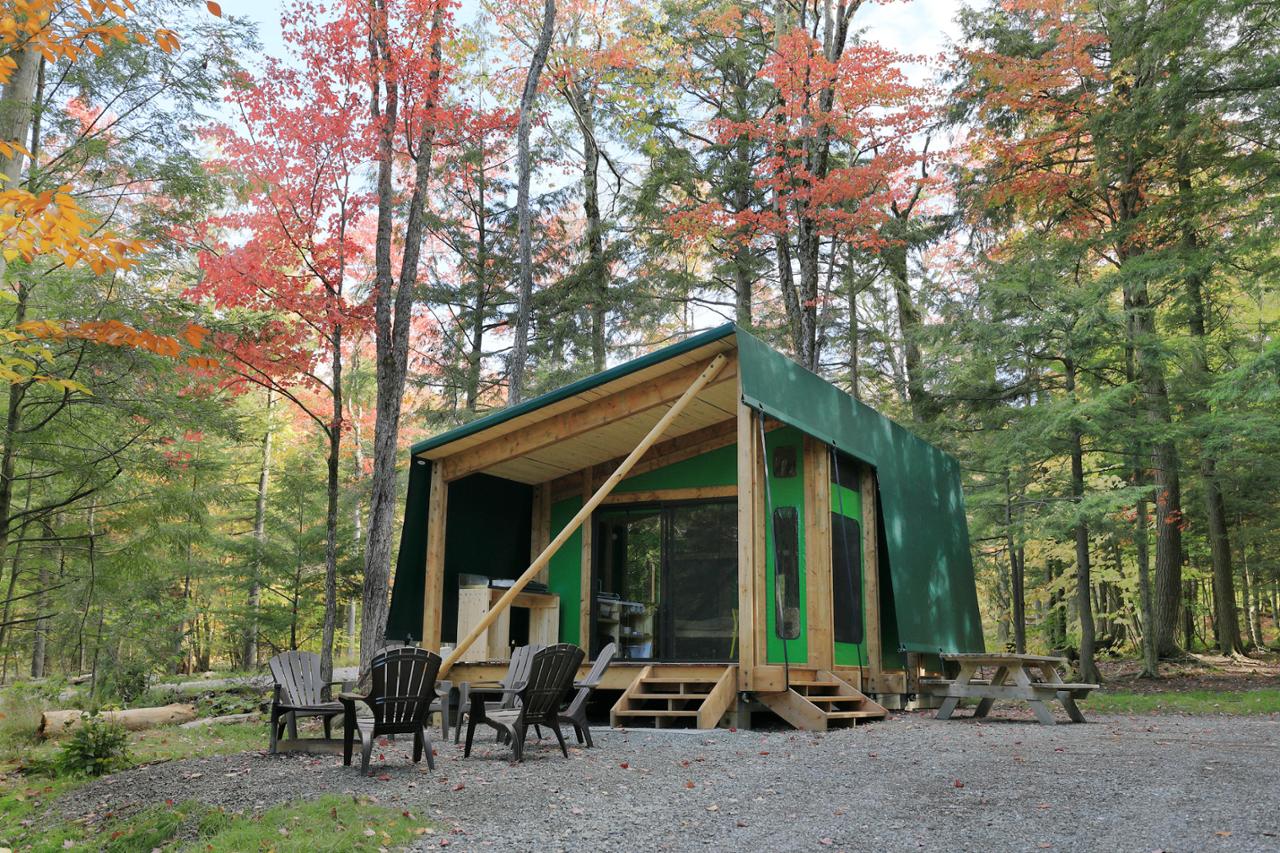
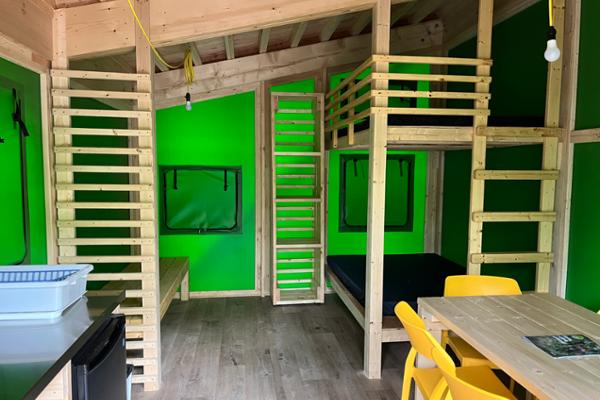
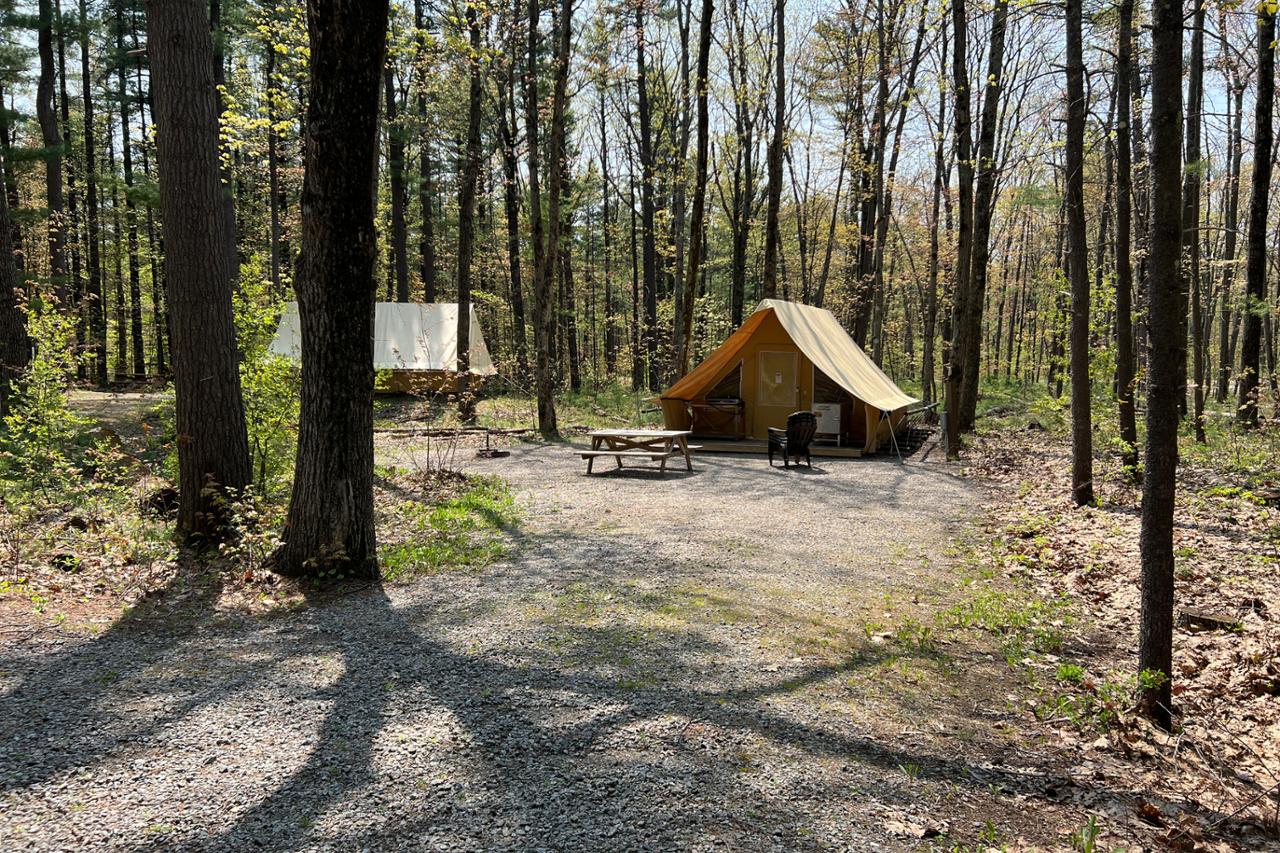
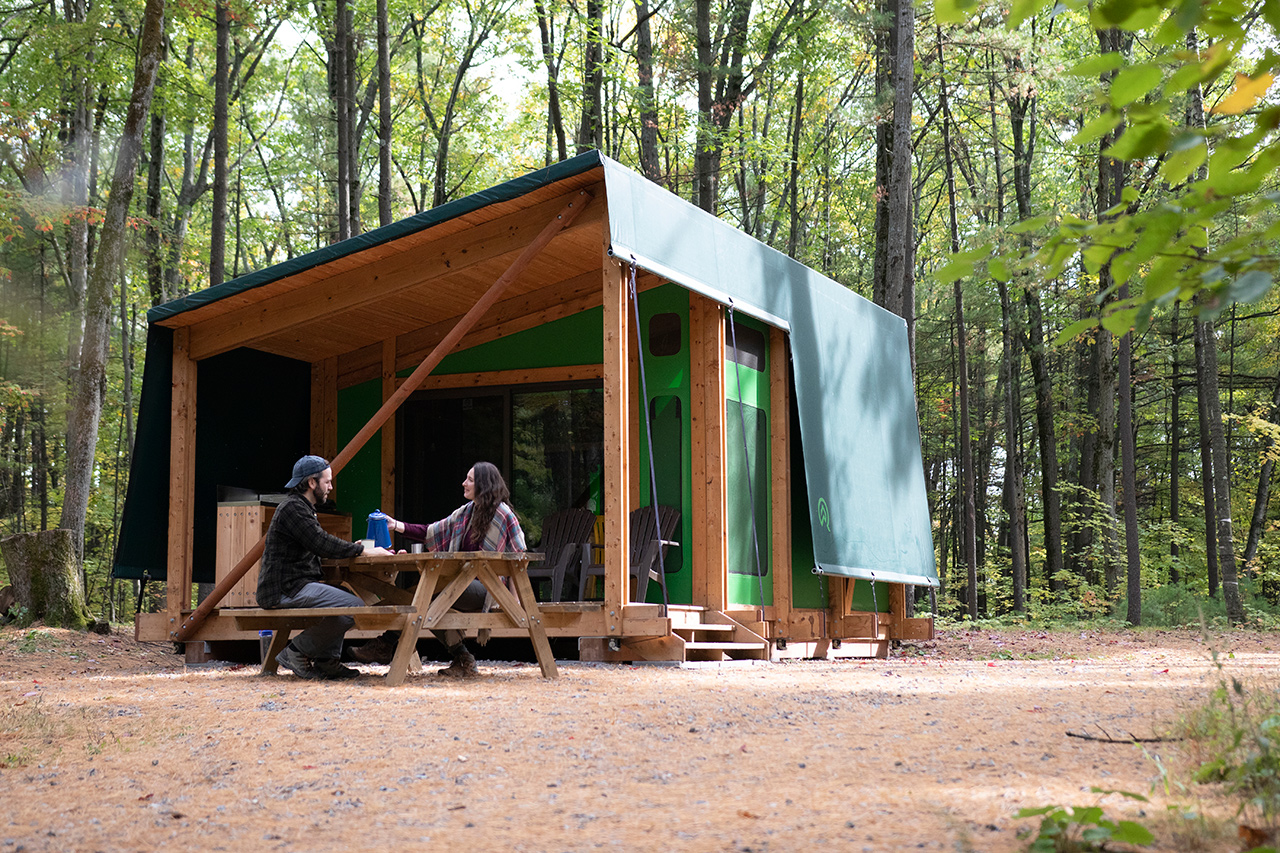
Regular pitch-your-own-tent campsites are standardized too: a fire pit and a picnic table on every site, with sites split by services like water and electricity. I enjoy tent camping just as much, so I switch between glamping and tent sites depending on the trip and the weather — and either way, arriving to a familiar setup is one of the quiet pleasures of Sépaq camping.
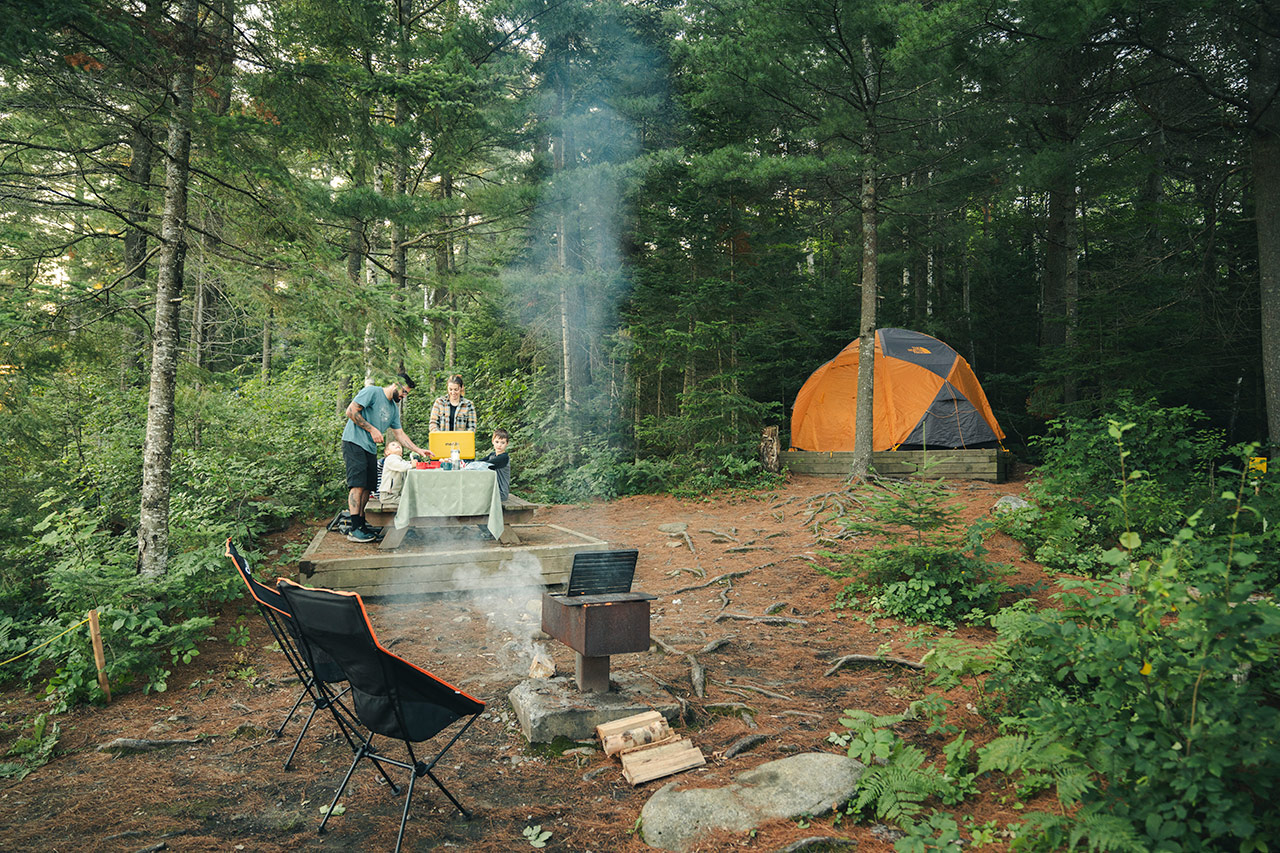
💡 Tip: If pitching a tent sounds like work — or your kids are small — start with ready-to-camp glamping. No gear to buy or set up; just bring yourselves. It’s an especially gentle first camping trip.
🎫 5. The Two Passes — All 23 Parks for $93 vs One Park for $51.50
There are exactly two annual passes: one that opens every Sépaq national park in Quebec, and one for a single park you choose. The benchmark is daily admission at $10.30 per adult — and kids 17 and under are free all year, so there’s no child admission to factor in. One adult card covers the kids coming along with you.
| All-Parks Network Card | One-Park Card | |
|---|---|---|
| Price (as of May 1, 2026) | $93 | $51.50 |
| Where it works | All 23 Sépaq national parks | Only the one park you choose at purchase |
| Validity | 12 months from a start date you choose — not from the purchase date | |
| Extra perks | Yes — a free camping night, a guest pass, discounts (section 6) | None — admission only |
| Parking | Included with admission (supervised beach parking is extra — the all-parks card takes 25% off) | |
| Good to know | Personal and non-transferable — each adult needs their own card. Kids 17 and under are free | |
| Format & use | An e-card delivered by email (no physical card) — show it at the gate or welcome centre on every visit | |
The choice is simple. If you’ll keep going back to one park, the one-park card is cheaper. If you’ll visit two or more — or you want the perks below — it’s the all-parks card. The $41.50 difference equals about four daily admissions, so just four extra visits to other parks tips the math over.
🎁 6. All-Parks Card Perks — The Free Camping Night Is the Big One
The perks list is long, but the ones worth real money come down to a few.
- One free camping night — usable at any Sépaq destination, with conditions: Sunday to Thursday only, new bookings only, and it covers rustic and semi-serviced sites. Ready-to-camp glamping is excluded, though you can apply it and pay the difference to upgrade to a better site. A few peak holiday dates are blacked out (in 2026: May 17, June 21, June 28, Sept. 6 and Oct. 11). Your promo code arrives by email within 48 hours of buying the card
- One free day pass for a friend — the code comes by email and covers a companion’s admission
- 25% off supervised beach parking at Oka, Mont-Orford and Yamaska — beach parking is separate from admission, so this adds up over a summer
- 15% off at Sépaq boutiques, 15% off cross-country ski day passes, 15% off adult admission at the Aquarium du Québec, 15% off at Mont-Mégantic’s ASTROLab, and free entry to the Miguasha natural history exhibit
- Free day access to the Lac-Simon and Lac-Kénogami tourist centres and Camping des Voltigeurs
Some places are excluded — Montmorency Falls park and Duchesnay, among others — and wildlife reserves don’t charge admission in the first place. Perks can’t be combined with other promotions, and the card can’t be lent to anyone else.
🗓️ 7. When to Buy & How the Card Works — You Pick the Start Date
This is where the card differs from most season passes. The 12 months don’t start ticking on the day you buy — they run for 12 months from a start date you choose. Buying early never costs you days, and you can even line the next card’s start date up with the day your current one expires.
Then there’s Quebec’s Accès nature program, which has put the all-parks card on sale at 30% off — $65.10. For 2026, a total of 96,001 cards were allocated and the first batch of 57,478 went on sale online at noon on June 10, with a limit of four cards per purchase. The 2025–26 season before it sold over 75,000 cards at the discount price.
That said, as of early November 2026, when I’m writing this, the purchase page shows regular prices only, and a date for any further discounted release hasn’t been confirmed — the government’s release says only that the remaining cards will be sold “at a later date.” If there’s no rush, watch Sépaq’s announcements and newsletter, buy when the sale reopens, and set your start date to that year’s first trip. If a trip comes up first, just buy online at full price right before you go — the e-card is issued on the spot.
A few practicalities on buying and using the card. Buying online through Sépaq’s official site is the standard route, and you’ll need a working email address. There is no physical card in the mail: it’s an e-card delivered by email, so you show it on your phone or print it out. If you have neither a printer nor a smartphone, you can contact Sépaq and ask for a paper version.
You can also buy at the park itself. According to Sépaq’s booking pages, you can set up a card before or during your stay, and admission you’ve already paid is refunded based on the card’s start date.
Using it is simple: show the card at the entrance gate or welcome centre on every visit. If you can’t show it, you’ll pay that day’s admission. Staff may check it against your ID, the name on a card can’t be changed after purchase, and if a card is lost, stolen or damaged, a replacement costs $10 (plus tax) and can only be issued at a park.
💡 Tip: The free camping night is Sunday-to-Thursday only. Check whether your schedule allows a midweek camping trip first, then choose your start month around it. Planning to ski too? Set the start date just before the winter season.
🧮 8. How Many Visits to Break Even?
The math is easy. Divide the all-parks card’s $93 by the $10.30 daily admission and you get about nine visits — on admission alone, it takes roughly nine visits to break even. Use the perks properly, though, and the number changes.
| Card | Break-even on admission alone | Using the perks |
|---|---|---|
| All-parks card, $93 | About 9 visits | About 5–6 visits (free camping night worth roughly $40–50 + friend pass $10.30) |
| All-parks card at the $65.10 discount | About 6–7 visits | About 3–4 visits |
| One-park card, $51.50 | About 5 visits | No extra perks |
For families, the math gets friendlier. Cards are non-transferable, so each adult needs their own — but every kid 17 and under is free. Two adults start the year with two cards, and the kids’ admission was never in the equation. So the real question is simply how often your family will actually go — and with a close park like Oka in the mix, a few day trips plus a camping night or two gets you there fast.
❓ Frequently Asked Questions
Q. Where do I buy a Sépaq annual pass?
Online, on Sépaq’s official site. It’s an e-card sent by email, not a physical card (if you have no printer or smartphone, you can request a paper version). You can also buy at a park, and admission already paid is refunded based on your card’s start date. Best of all, you choose the start date yourself, so buying early never burns validity.
Q. All-parks card or one-park card — which should I get?
If you’ll keep returning to a single park, the one-park card ($51.50) is cheaper. If you’ll visit two or more parks, or want perks like the free camping night and the guest pass, get the all-parks card ($93). The biggest difference is that the one-park card comes with no extras at all.
Q. Which park should we try first?
From Montreal, start with Oka — about an hour away, with a beach, cycling and plenty of activities in one spot. For an even closer day walk, try Mont-Saint-Bruno (25 km) or Îles-de-Boucherville (16 km). Yamaska is the pick for water play, Mont-Orford for mountains and fall colours, and Mont-Mégantic for stargazing.
Q. How many visits until the pass pays for itself?
The all-parks card breaks even at about nine visits on admission alone, or five to six once you use the free camping night and guest pass. Bought at the 30% discount ($65.10), it’s more like three to four visits with perks. The one-park card needs about five visits.
Q. What about the kids? How many cards does a family need?
Kids 17 and under are free all year — an adult’s card covers the children coming along. But cards are personal and non-transferable, so each adult needs their own.
Q. Can I get the pass at a discount?
Quebec’s Accès nature program has sold the all-parks card at 30% off — $65.10. As of early November 2026, though, the purchase page shows regular prices and no further sale date has been confirmed, so check Sépaq’s announcements for a discount release before you buy.
Q. Can we just do day trips, without camping?
Absolutely. Some parks, like Mont-Saint-Bruno, are day-use only with no lodging at all, and Oka and Yamaska are easy to enjoy for a full day on admission alone. In practice, the pass usually pays for itself through exactly those light day trips adding up.
Q. Do camping and glamping facilities differ from park to park?
Not much. Ready-to-camp comes in the same two standard formats — the green Étoile and the beige traditional tent — and regular campsites share the same fire-pit-and-picnic-table setup. A few parks, like Mont-Saint-Bruno, have no camping at all, so if you’re planning to stay over, check the park’s page first.
Q. Does the Sépaq pass work in Banff or other federal parks?
No. The Sépaq pass covers Quebec’s 23 provincial national parks only. Federal parks like Banff and Jasper need Parks Canada’s Discovery Pass instead.
Q. Can I use the pass in winter?
Yes. Mont-Saint-Bruno and Mont-Orford run cross-country skiing and snowshoeing, and Oka and Yamaska keep winter trails open. The all-parks card also includes 15% off cross-country ski day passes — set your start date just before winter and one card carries you from summer beaches to winter ski trails.
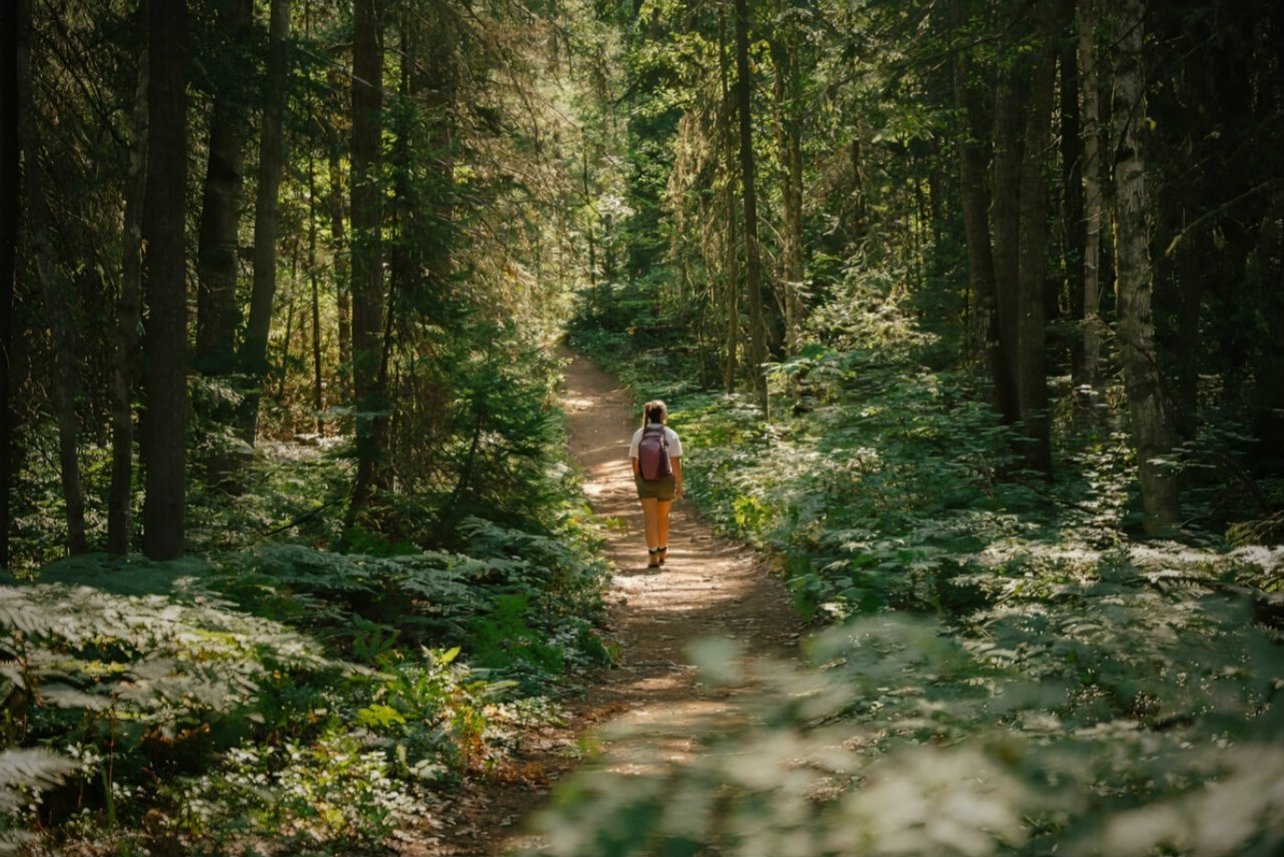
Here’s the bottom line. If there’s any chance your family will visit Quebec parks three or four times in a year, the cleanest play is to wait for a discount release, buy the all-parks card, and set the start date to your first trip. Make that first trip Oka, an hour from Montreal — a few day trips plus one midweek camping night and the pass has paid for itself. Prices here are as of May 1, 2026, so double-check the current rates and any discount announcements on Sépaq’s official site right before you buy.
You may also like
· Mont Orford in Fall — Gondola Rides Over the Eastern Townships
📖 This post is also on my Naver blog: https://blog.naver.com/gratefulforall/224467494211
— J.
Get the Free Canada Savings Checklist
Join the newsletter — get the free PDF checklist and weekly Canada savings tips in your inbox.
Read Next
Some links in this post are referral or affiliate links. If you sign up or buy through them, I may receive a bonus or commission at no extra cost to you. It helps keep this blog running — thank you!